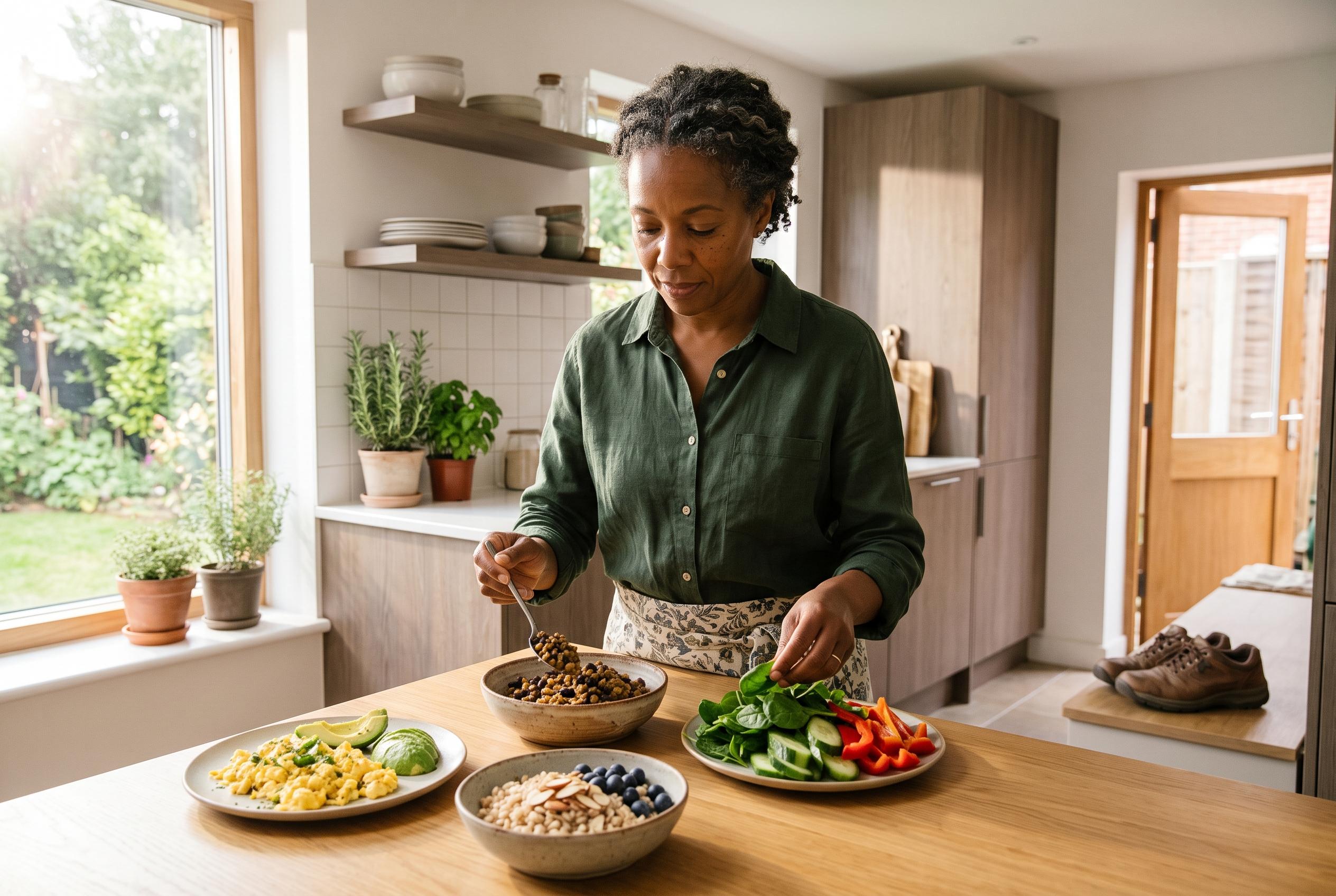

Legumes, minimally processed whole grains and eating protein or vegetables before carbohydrates may help moderate post-breakfast blood sugar, while a short walk afterwards can provide an added boost.
For people with diabetes, breakfast does not have to mean giving up starch altogether. The more useful question, according to Taiwanese nutritionist Hsieh Yi-fang, is not whether to eat carbohydrates at all but which ones to choose and how to pair them. Her advice draws on recent research suggesting that legume-based breakfasts and low-glycaemic-index meals can help blunt the rise in blood glucose after eating, especially when compared with refined, sugary options.
Hsieh, writing on her Facebook page, said a diabetes-friendly breakfast should steer clear of white toast with jam, sweet breads and sugary coffee drinks, and instead favour minimally processed staples alongside beans, protein and vegetables or fruit. She suggested simple combinations such as eggs with unsweetened soy milk and large-flake oats, or barley rice with tofu and vegetables. The goal, she said, is not to eat less, but to eat more deliberately.
That advice is broadly consistent with a 2026 systematic review and meta-analysis published in a medical database that examined breakfast composition in people with diabetes. The review concluded that changing the mix of nutrients and fibre at breakfast can improve post-meal glucose control, with legume-based breakfasts and low-glycaemic-index breakfasts showing the strongest effect on two-hour blood sugar levels.
Hsieh also stressed that protein matters, but not in unlimited amounts. She pointed to another 2026 review of randomised trials in older adults, which found no clear evidence that extra morning protein or amino acids improved muscle mass, grip strength or leg strength. Her practical target was around 20 to 25 grams of protein at breakfast for middle-aged and older adults, achieved through meals such as unsweetened soy milk, two eggs and a small sweet potato, or milk, eggs and wholemeal toast.
She further noted that whole grains are not automatically low-glycaemic. Processing matters: grains that are milled, flattened, puffed or cooked until very soft tend to be digested more quickly. That means oat groats, steel-cut oats and large-flake oats are usually better choices than instant oats or oat flour, even though they all belong to the wholegrain family. In other words, the label alone is not enough; the degree of processing also affects how fast blood sugar may rise.
Meal timing and the order of foods on the plate may also play a part. A 2026 review on meal timing found that eating earlier in the day may be better for metabolic health than pushing most calories into the evening, although the authors cautioned that the evidence is not strong enough for hard-and-fast rules. Separate reviews published in 2026 found that eating vegetables or protein before carbohydrates can reduce the size of the post-meal glucose spike in healthy adults and in people with diabetes, although researchers also warned that more rigorous studies are needed.
Hsieh’s final message was simple: a good breakfast for diabetes is complete, regular, minimally processed and followed by movement. Walking for 10 to 20 minutes after eating, doing housework or simply avoiding sitting down immediately can all help. Her suggested formula is straightforward: protein, whole grains, vegetables or fruit and an unsweetened drink. For people managing blood sugar, the aim is not a tiny breakfast, but a balanced one.
Disclaimer: This content is for informational purposes only and is not intended to be a substitute for professional medical judgment, advice, diagnosis, or treatment.