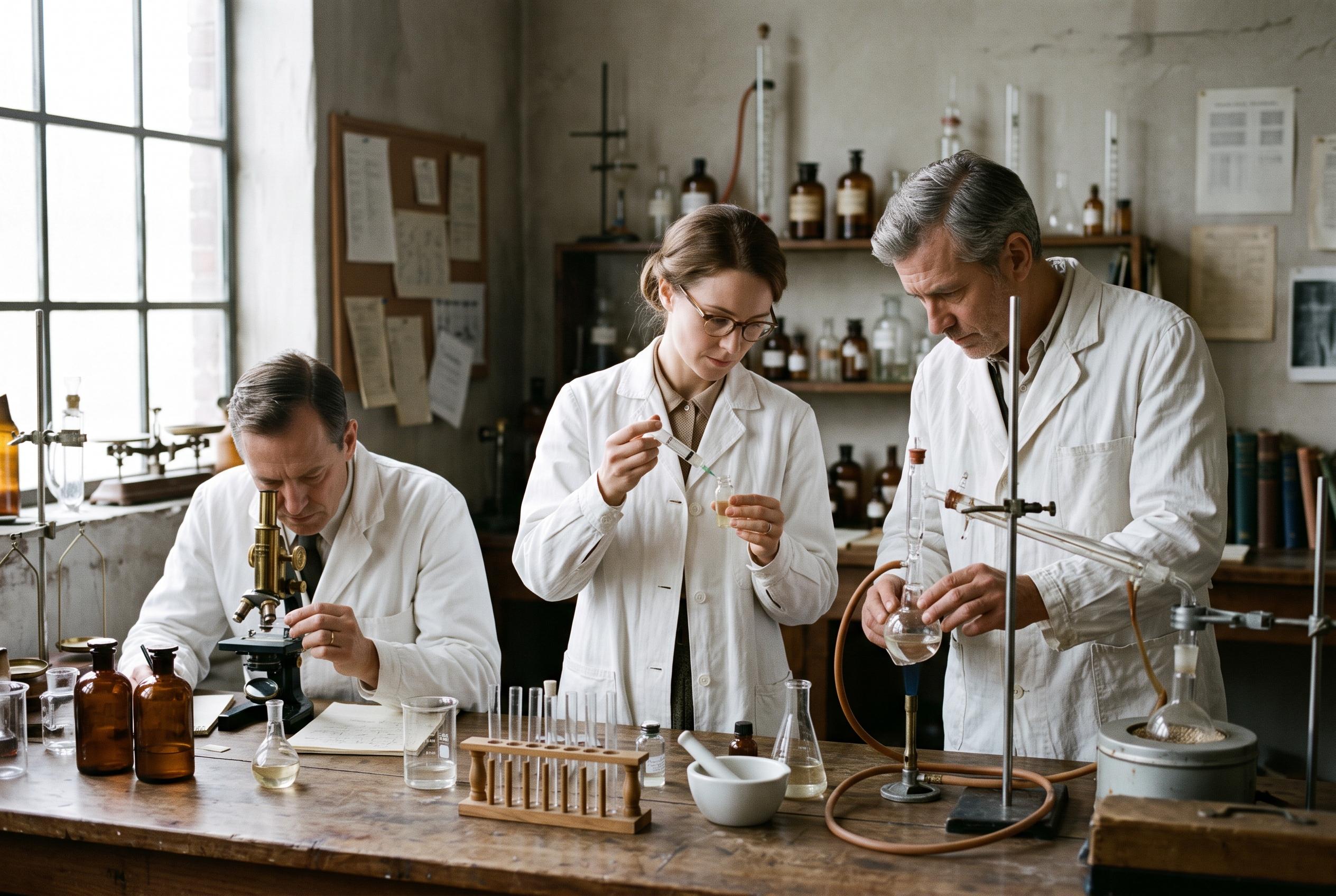

A century ago, Banting, Best and their collaborators transformed an often-fatal diagnosis by developing the first effective insulin treatment.
Before insulin, a diagnosis of diabetes could amount to a death sentence. Treatment was often limited to extreme carbohydrate restriction, starvation-style diets and, in some cases, dubious patent remedies that offered little real benefit and sometimes contained dangerous ingredients. According to the Smithsonian, many of those products were marketed in the United States in the nineteenth and early twentieth centuries, when doctors still had only a partial understanding of the disease and of the pancreas’s role in blood sugar control.
That changed in 1921, when Frederick Banting, a Canadian surgeon, and Charles Best, a medical student at the University of Toronto, began a series of experiments aimed at isolating the pancreas’s internal secretion. The FDA says Banting was not the first to chase the idea, but his persistence, together with the work of colleagues, proved decisive. In the summer of 1921, Banting and Best removed the pancreases of dogs, induced diabetic symptoms and then tested pancreatic extracts to see whether they could reverse the condition.
Their early results were promising, but the work still needed refinement. Nature has noted that the team’s findings built on decades of earlier research linking the pancreas and the islets of Langerhans to carbohydrate metabolism, and that extracts containing digestive enzymes could blunt the effect they were seeking. James Bertram Collip later joined the effort and helped purify the extract, making it suitable for clinical use. The FDA says that by January 1922, studies in humans showed clear signs of improvement, including lower blood sugar.
One of the most important turning points came on 11 January 1922, when 14-year-old Leonard Thompson received insulin treatment. University of Massachusetts Medical School says he was the first person to be given the hormone as therapy for diabetes. That moment marked the beginning of a new era in medicine. A condition that had previously been managed with harsh diets and little hope suddenly became treatable, and for many patients insulin opened the possibility of longer, healthier lives.
The discovery also reshaped the broader understanding of hormones and metabolism. After the breakthrough, researchers moved quickly to produce insulin in larger quantities, first from animal pancreases and later through recombinant DNA techniques that made synthetic human insulin possible. Historians of medicine now regard the work of Banting, Best, Macleod and Collip as one of the defining advances of the twentieth century, not only because it saved lives, but because it changed what medicine believed was possible for chronic disease.
Disclaimer: This content is for informational purposes only and is not intended to be a substitute for professional medical judgment, advice, diagnosis, or treatment.