

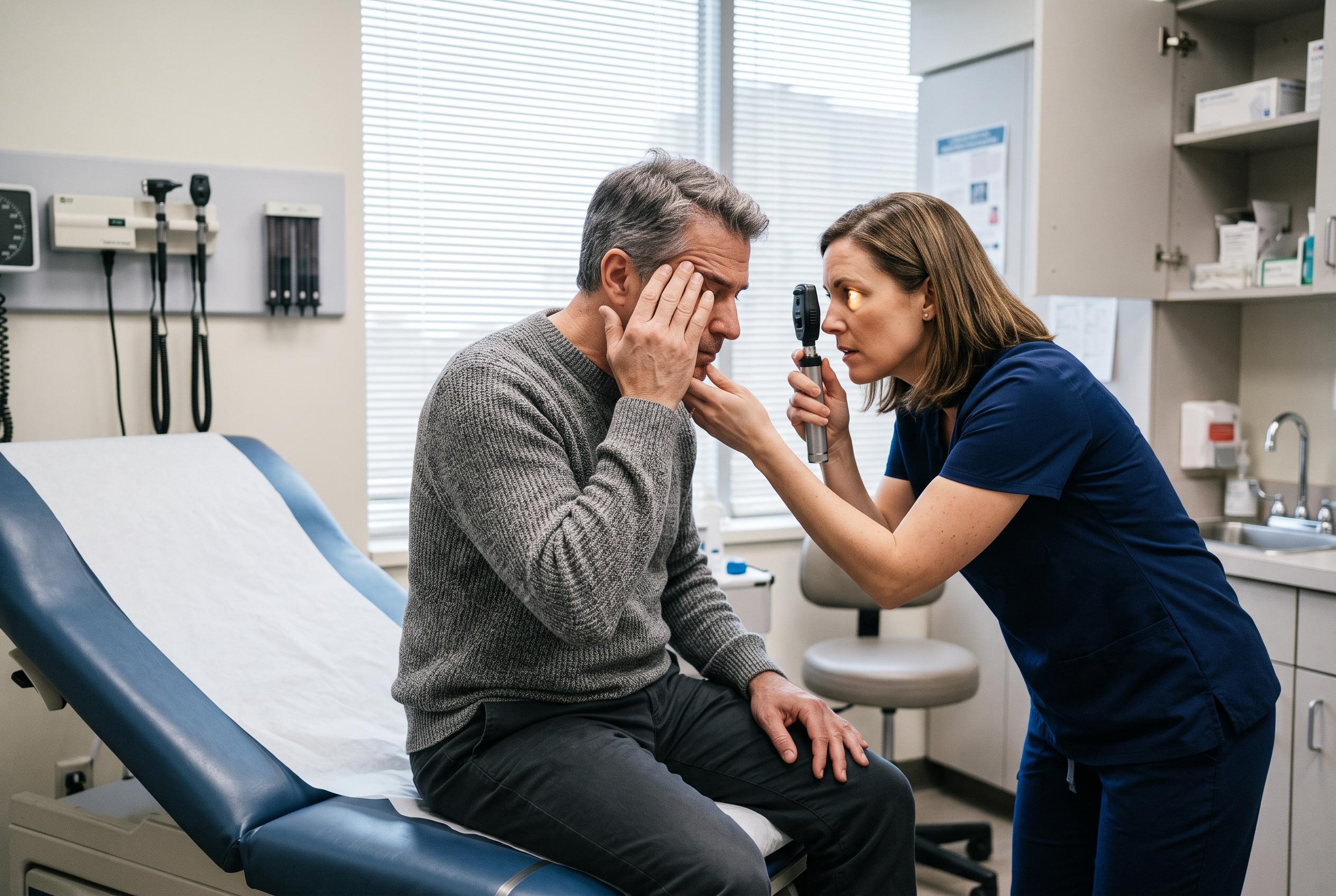

Patients claiming vision loss after using blockbuster GLP-1 medications have filed lawsuits against Novo Nordisk and Eli Lilly, amid ongoing scientific debate and regulatory reviews on the drugs’ potential link to a rare optic nerve disorder.
Patients who say they lost sight after taking blockbuster GLP-1 weight-loss and diabetes drugs are moving from medical complaints to the courts, with lawsuits now targeting Novo Nordisk and Eli Lilly over alleged links to a rare optic nerve disorder.
According to reporting by The Wall Street Journal cited in the source material, the claims centre on non-arteritic anterior ischaemic optic neuropathy, or NAION, a condition in which reduced blood flow to the optic nerve can cause sudden and often permanent vision loss. Plaintiffs argue that drugs including Ozempic, Wegovy, Zepbound and Mounjaro should have carried stronger warnings about that risk.
The legal campaign is expanding quickly. A personal injury firm in New Jersey has filed more than 90 suits against Novo Nordisk on behalf of patients who say they developed NAION after using Ozempic or Wegovy, while related cases have also been lodged in federal court in Philadelphia. Court records cited by legal-tracking sites suggest the claims are now being consolidated in multidistrict litigation in the Eastern District of Pennsylvania.
The science, however, remains unsettled. Some studies have reported that semaglutide use may be associated with a higher risk of NAION, with one analysis suggesting the risk could be roughly doubled or even higher, while research backed by Novo Nordisk found no meaningful connection. That dispute is complicated by the fact that many people prescribed GLP-1 drugs already have diabetes, hypertension or heart disease, all of which can increase the baseline risk of NAION.
Regulators have also taken different approaches. The US Food and Drug Administration is reviewing the possible link, but has not yet required a warning on domestic labels, while the European Medicines Agency has described NAION as a very rare adverse effect and advised that product information be updated. A UK safety notice has likewise included NAION, according to the material provided, underscoring the split between markets.
The issue has already led to compensation in Denmark, where 27 patients have reportedly received more than $1.5m through the state’s medicines compensation system. For doctors and patients, the practical question is whether the benefits outweigh the risks: experts say that for diabetes and cardiovascular disease the drugs’ value may remain compelling, but for people seeking only weight loss, the trade-off may deserve closer scrutiny. Eye specialists have also urged patients to have a retinal or optic nerve check before starting treatment.
Disclaimer: This content is for informational purposes only and is not intended to be a substitute for professional medical judgment, advice, diagnosis, or treatment.



