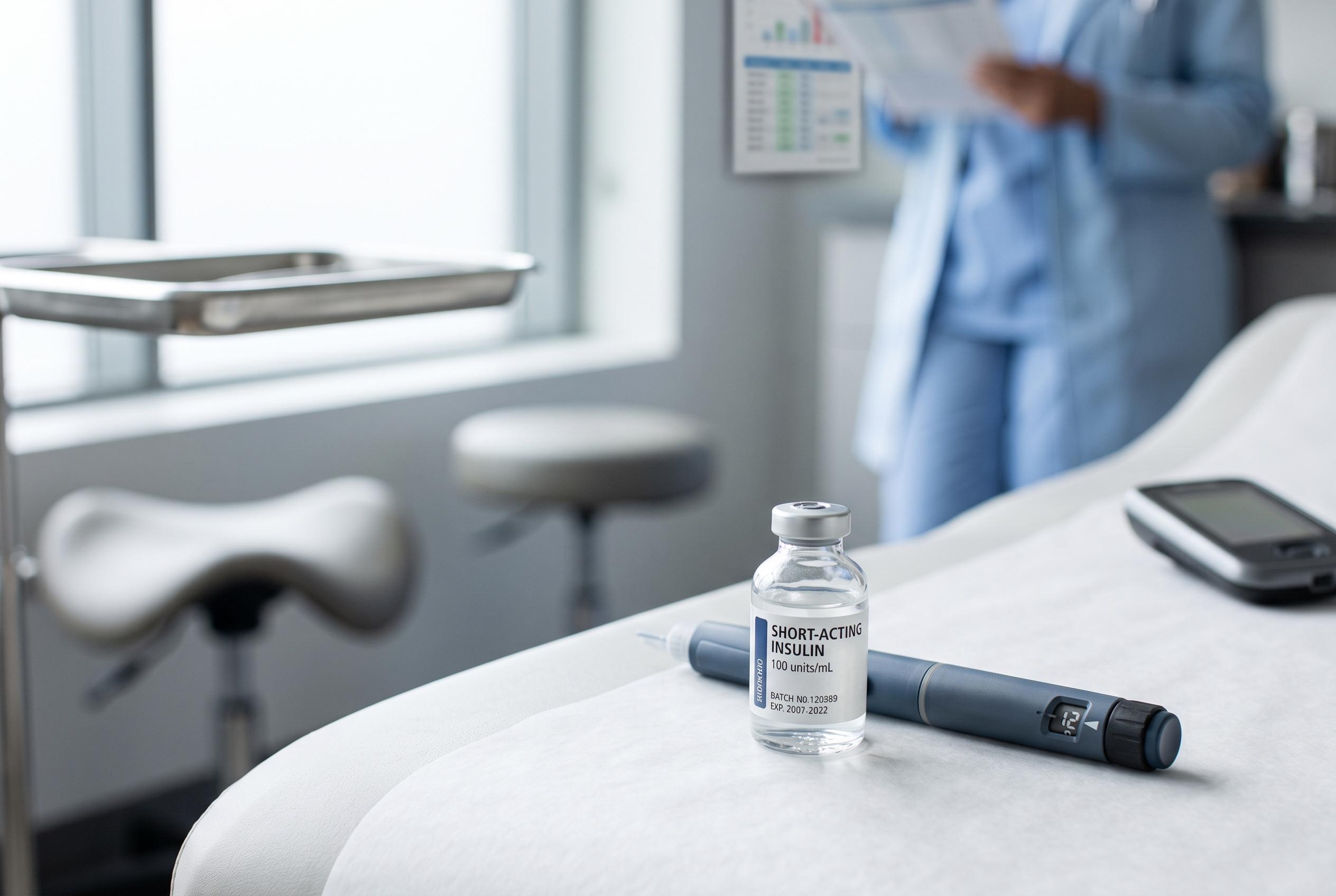

The short-acting insulin market is forecast to expand significantly by 2030 and 2034, propelled by increasing diabetes prevalence, advances in delivery technology, and strategic industry moves towards biosimilars and product interchangeability.
The short-acting insulin market is heading for steady expansion as diabetes rates continue to climb and healthcare systems place greater emphasis on tighter glucose control, especially after meals. A report from The Business Research Company projects the market will reach $14.87 billion by 2030, growing at a 5.2% annual rate, while Emergen Research offers a more conservative outlook, putting the market at $18.7 billion by 2034 from $12.8 billion in 2024. Both studies point to the same broad drivers: more type 2 diabetes cases, wider use of insulin therapy, growing home-based care and faster delivery technologies.
The broader insulin market context also helps explain why this segment remains important. Market.us says insulin pens held a large share of the overall market in 2024, while retail pharmacies dominated distribution. That reflects a wider shift towards easier self-administration and routine outpatient care. Grand View Research’s data on fast-acting insulin likewise shows North America remained the biggest revenue-generating region in 2024, even as India is expected to post the fastest growth over the next several years, underscoring the market’s mix of mature demand and emerging opportunity.
Competition is centred on a group of established drugmakers, including Sanofi, Eli Lilly and Novo Nordisk, alongside firms such as Biocon, Lupin and Wockhardt. In December 2024, Lupin bought Eli Lilly’s Humulin insulin range in India, a move that should strengthen its position in a market where access, pricing and brand familiarity matter. Strategic Market Research says companies are also leaning on biosimilars, digital tools and improved delivery systems as they look to defend market share and widen patient reach.
Product innovation is another key theme. In July 2025, Biocon Biologics won US Food and Drug Administration approval for Kirsty, described as the first interchangeable rapid-acting insulin aspart in the United States. The company said the product is designed to offer the same clinical performance as NovoLog while giving patients and pharmacists more flexibility in substitution. That kind of interchangeability could become increasingly important as manufacturers compete on convenience, affordability and the ability to support tighter glycaemic control across both type 1 and type 2 diabetes care.
Disclaimer: This content is for informational purposes only and is not intended to be a substitute for professional medical judgment, advice, diagnosis, or treatment.