

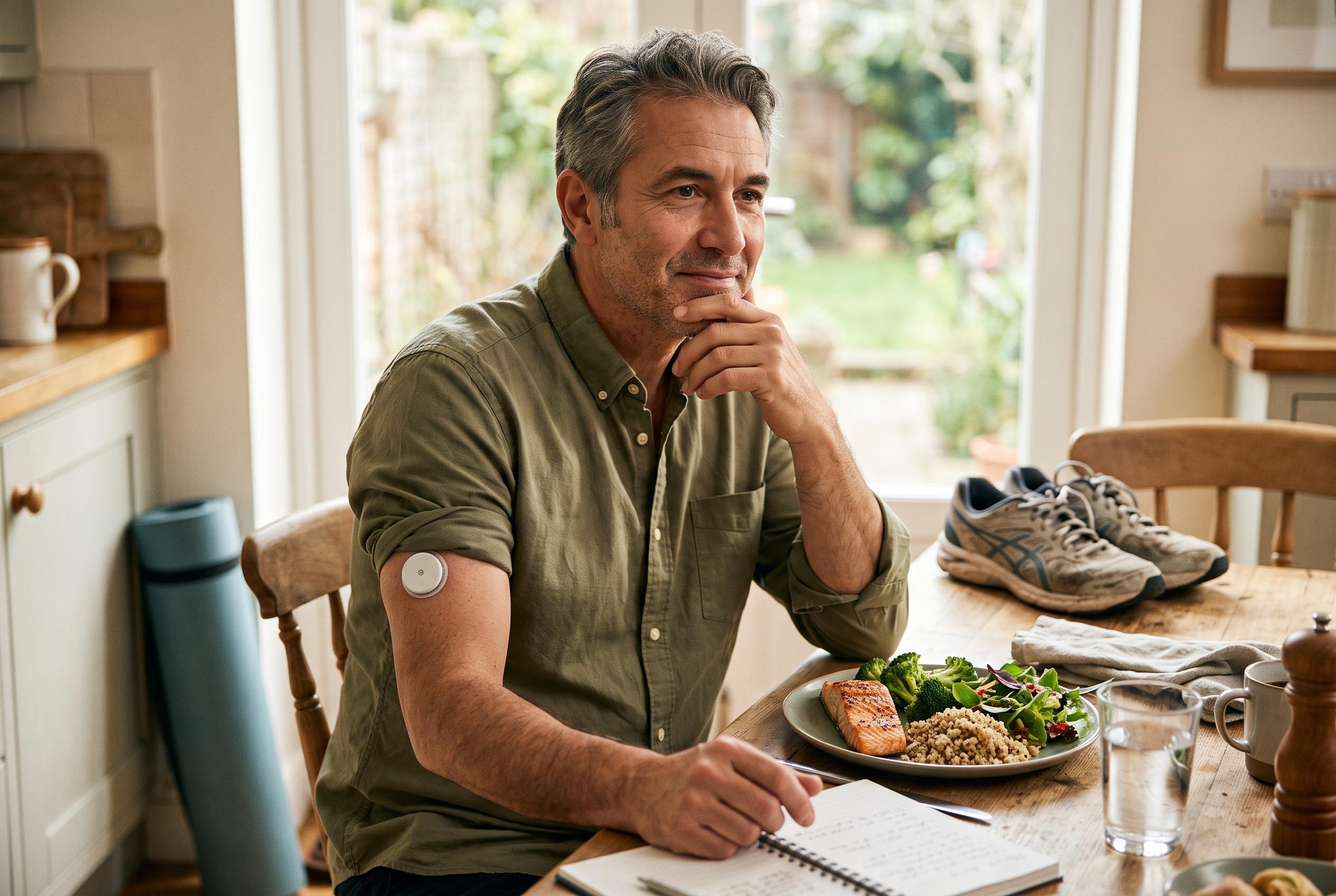

Psychologist Dan Cox says tracking how food and exercise affected his blood glucose helped him achieve medication-free type 2 diabetes remission and inspired a major clinical trial.
Dan Cox, a psychologist and professor at the University of Virginia School of Medicine, says his own diagnosis with type 2 diabetes in 2010 led him to a radical reassessment of what he ate, how he moved and how he thought about blood glucose. In a first-person account published by Diabetes Daily, Cox recalled symptoms including frequent urination, intense thirst, blurred vision and unexplained weight loss, followed by a finger-stick reading of 216 mg/dL and an A1C of 10.3 per cent. Rather than begin metformin immediately, he chose to try lifestyle change first, setting in motion an experiment that he says has kept his diabetes in remission for 15 years. Diabetes remission is generally defined by the National Institute of Diabetes and Digestive and Kidney Diseases as blood sugar returning to the non-diabetic range without medication for at least six months, although it is not considered a cure.
Cox’s account is striking not because he adopted an obviously unhealthy routine, but because he realised that apparently sensible choices could still produce repeated glucose spikes. He described breakfasts built around cereal, fruit, toast and juice, packed lunches that often included sandwiches and sweets, and dinners that revolved around starches such as potatoes, rice or pasta. After reading the medical literature, he concluded that certain carbohydrates drove his blood sugar sharply upwards, while muscle contraction through exercise lowered it even without insulin. He then changed his meals towards eggs, fish, meat and vegetables, ate leftovers for lunch and began walking the two miles to and from work.
The results came quickly, though not quickly enough to satisfy his endocrinologist, according to the Diabetes Daily profile. Cox said his A1C fell to 7.3 per cent after his first round of changes, then to 5.5 per cent after he tightened his routine further by cutting out sugary drinks, fruit, breading and bedtime snacks, adding evening walks and confining eating to a 10-hour window. He also began using weighted walks, which he said deepened the effect of physical activity on his glucose levels. His experience echoes broader evidence that intensive lifestyle intervention can help some people with type 2 diabetes reach remission, including findings from an Archives of Internal Medicine study and a position statement from the American College of Lifestyle Medicine.
Cox later moved away from what he described as an extreme phase of self-management and towards a more durable system built around measurement. By checking blood glucose before meals and again afterwards, and by comparing readings before and after exercise, he learned which foods, portion sizes and activities had the biggest effect on him personally. He told Diabetes Daily that if his glucose rises above his own threshold, a brisk mile-long walk typically lowers it by about 30 points, while a longer route is reserved for higher readings. He said that this practical feedback loop, rather than willpower alone, is what has allowed him to preserve remission over the long term.
That approach became the basis of the Glucose Everyday Matters, or GEM, programme, which Cox has since developed with clinical colleagues. UVA Health said the strategy has drawn federal support, including a $3.5 million National Institutes of Health grant for a large trial testing whether teaching people to make smarter food and exercise choices can better control blood sugar. According to the university, the aim is not simply weight loss but a more direct method of reducing glucose spikes through everyday decisions. Cox has also published a workbook on the method, though he stresses it is intended to be used under medical supervision, especially by patients taking insulin, because improving glucose control can require medication adjustments.
Disclaimer: This content is for informational purposes only and is not intended to be a substitute for professional medical judgment, advice, diagnosis, or treatment.



