

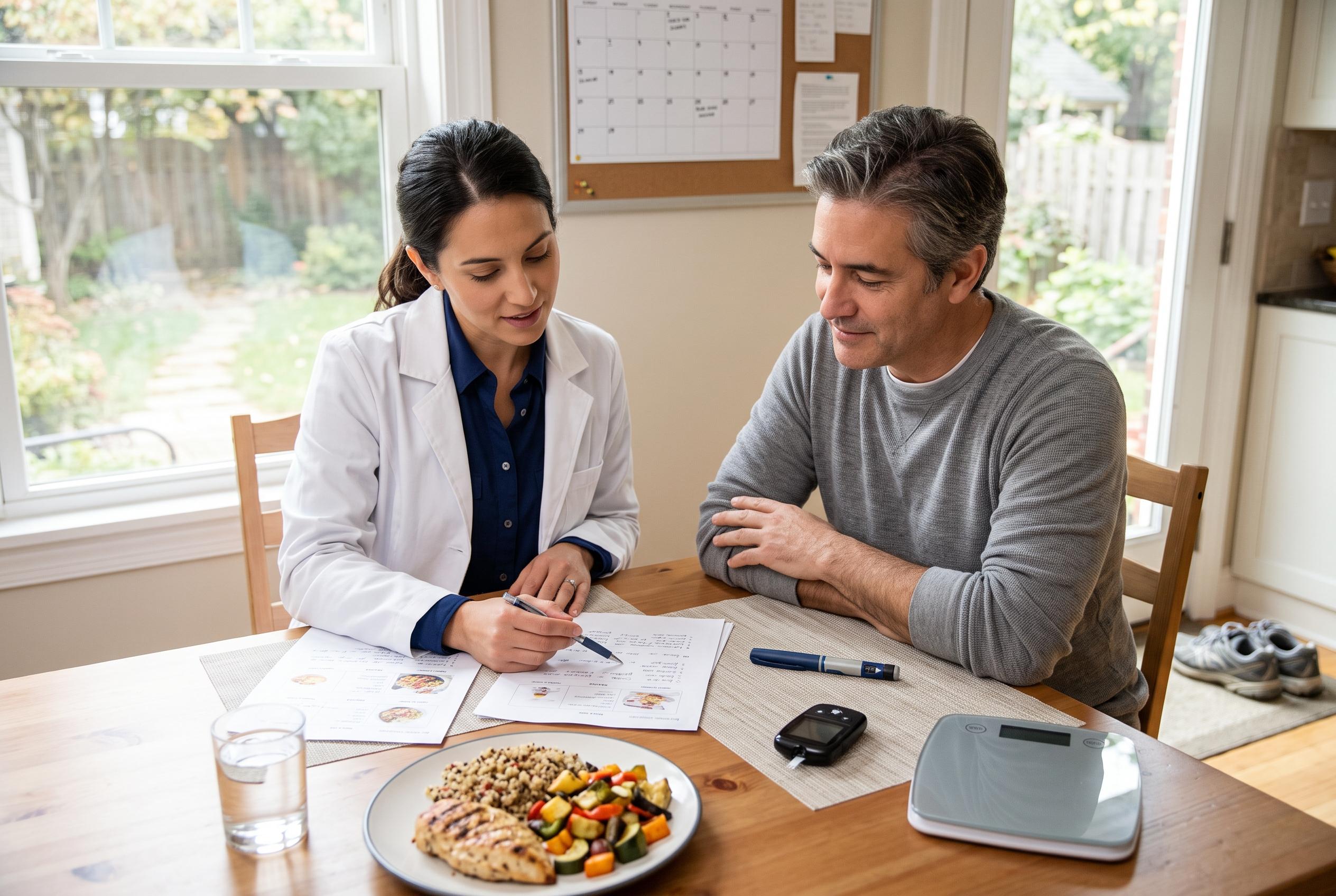

While GLP-1 receptor agonists are revolutionising obesity treatment, clinicians emphasise that sustained success hinges on diet, exercise, and long-term behavioural changes, as recent studies and patient experiences highlight the importance of a comprehensive approach.
GLP-1 medicines may have transformed weight-loss treatment, but clinicians and patients interviewed by the Greeley Tribune say the drugs work best as part of a wider plan that includes diet, exercise and long-term support. That message is backed by recent research: a systematic review in Diabetes Care found GLP-1 receptor agonists produced meaningful weight loss in controlled trials, but the authors cautioned that outcomes in everyday use depend heavily on adherence and lifestyle factors. Another meta-analysis published on PubMed found that pairing GLP-1 drugs with lifestyle modification improved weight and a range of cardiometabolic markers, including blood pressure and cholesterol.
For Alan Zellner, the medication was never meant to do the work alone. The 76-year-old Wilkes-Barre resident said he began taking Ozempic after his doctors grew concerned about his blood pressure and his weight, which had climbed to 360 pounds after retirement. He has since dropped to 212 pounds, but he described the drug as only a small part of that result. His real progress, he said, came from changing how he ate, planning meals more carefully and walking his dog several times a day.
That experience matches the view of Christopher Still, director of Geisinger’s Centre for Obesity and Metabolic Research, who told the Tribune that GLP-1 medicines have reshaped care for obesity and related metabolic disease, yet still require commitment from patients. He said the newer drugs outperform earlier anti-obesity medicines, with average losses far above what older treatments achieved, but he also stressed that stopping them often leads to weight regain. Research supports that caution: one meta-analysis found that GLP-1 treatment plus structured exercise produced the largest effects on weight and insulin sensitivity, while a separate trial analysis suggested exercise may help preserve the hormonal responses that can otherwise drive appetite back up after weight loss.
Local pharmacists say demand is rising quickly. Tom DePietro, who owns DePietro’s Pharmacy in Dunmore, told the Tribune that prescriptions for weight loss have climbed sharply this year, helped by broader access for some Medicare patients and by lower-cost monthly offers from manufacturers. He said the introduction of a tablet version of Wegovy has also brought in patients who did not want injections. But that expanding market has also intensified concern about people turning to compounded versions of the drugs, which Still said are not FDA-regulated and may leave buyers unsure of what they are actually taking.
Dr Essam Almeky, who directs a medical weight-loss programme at Commonwealth Health in Kingston, said he tells patients there is no miracle solution. In his view, the medicines can be highly effective, but only when combined with a plan that includes calorie control and resistance training. Zellner appears to fit that model. He said he used the discipline of his wrestling background to keep a written log of meals, involve his family and return to a more structured routine. He also acknowledged that the higher dose made him ill and that he has done better on a lower dose. In the end, he said, the drug helped, but it did not replace the habits that made the loss sustainable.
Disclaimer: This content is for informational purposes only and is not intended to be a substitute for professional medical judgment, advice, diagnosis, or treatment.



