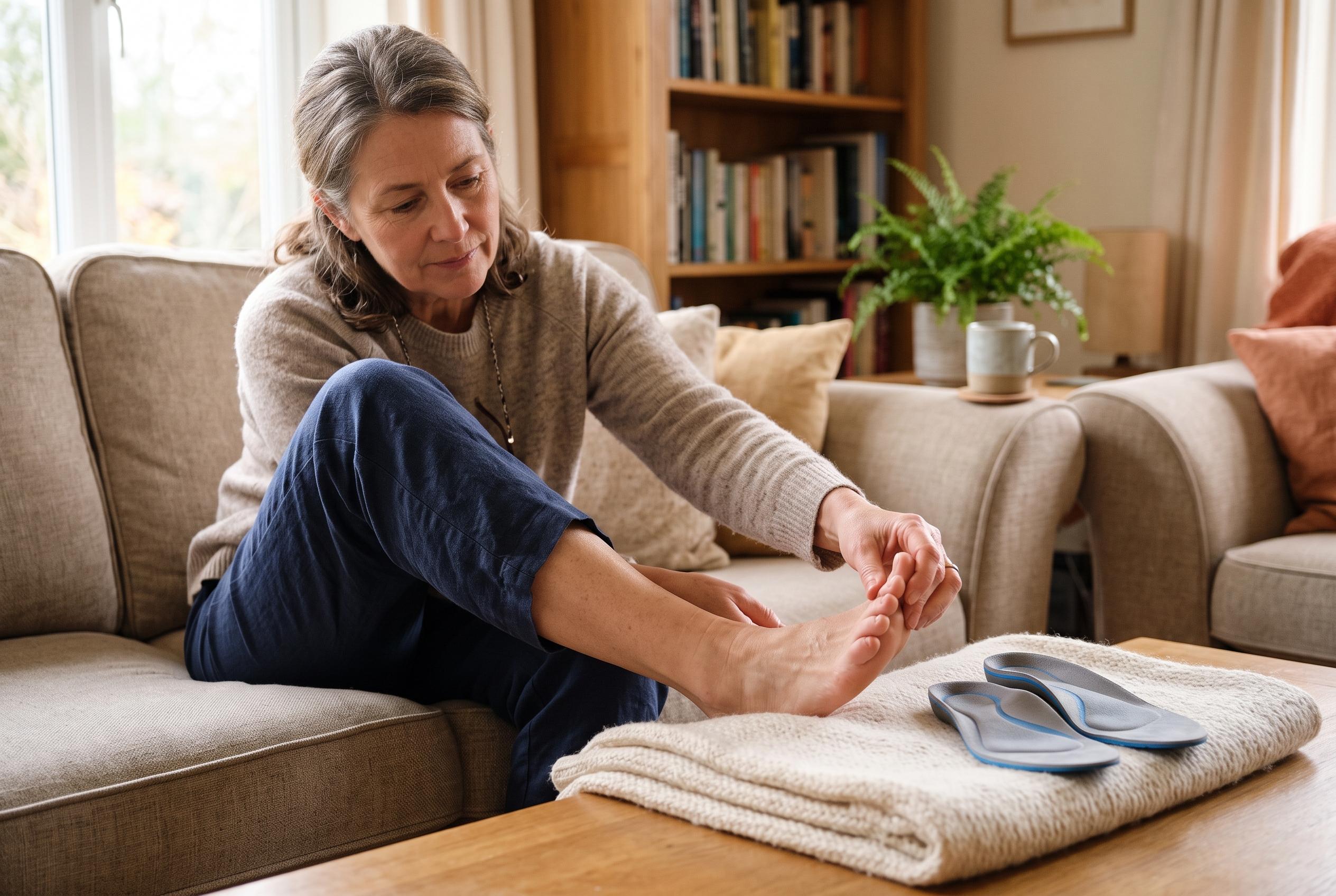

Foot Levelers has launched SensiStep and SensiStep+, custom-made orthotics combining cushioning and pressure accommodation for people with diabetes, prediabetes and vulnerable feet.
Foot Levelers has introduced two custom orthotic products aimed at people with diabetes, prediabetes and sensitive feet, as the company looks to expand its diabetic foot-care offering beyond its existing biomechanical support range. The firm said SensiStep and SensiStep+ are designed to combine cushioning with pressure accommodation, while still using its three-arch support approach. Jamie Greenawalt, president of Foot Levelers, said the company wanted to offer solutions tailored to individual needs rather than a single model for all patients.
The launch comes against a backdrop of large and growing need. The company pointed to federal data showing that more than 40 million people in the US live with diabetes and an estimated 115 million adults have prediabetes. Foot Levelers said it developed the new line drawing on more than seven decades of work in custom orthotics and clinical methods. It described SensiStep as a model for people who want support with added cushioning, while SensiStep+ is intended for those needing more generous accommodation in areas that are especially sensitive or vulnerable.
Foot care remains a key part of diabetes management because the condition can affect circulation, nerve sensation and the way pressure is distributed across the feet. Clinical guidance from the National Library of Medicine says careful foot assessment, daily inspection and suitable footwear can help prevent ulcers and other complications, including amputations. That wider medical context is important because orthotic products are typically only one part of a broader prevention strategy that also includes education, regular checks and early treatment of pressure points or skin damage.
Foot Levelers, which says it has been making custom orthotics since 1952, is presenting the new products as an extension of its existing approach rather than a separate business line. The company said both products are made to order and based on its existing scanning and support methods. Whether the new range gains traction will likely depend on how clinicians view its usefulness alongside established diabetic foot-care practices and whether patients see enough benefit in the added customisation to justify using it.
Disclaimer: This content is for informational purposes only and is not intended to be a substitute for professional medical judgment, advice, diagnosis, or treatment.