

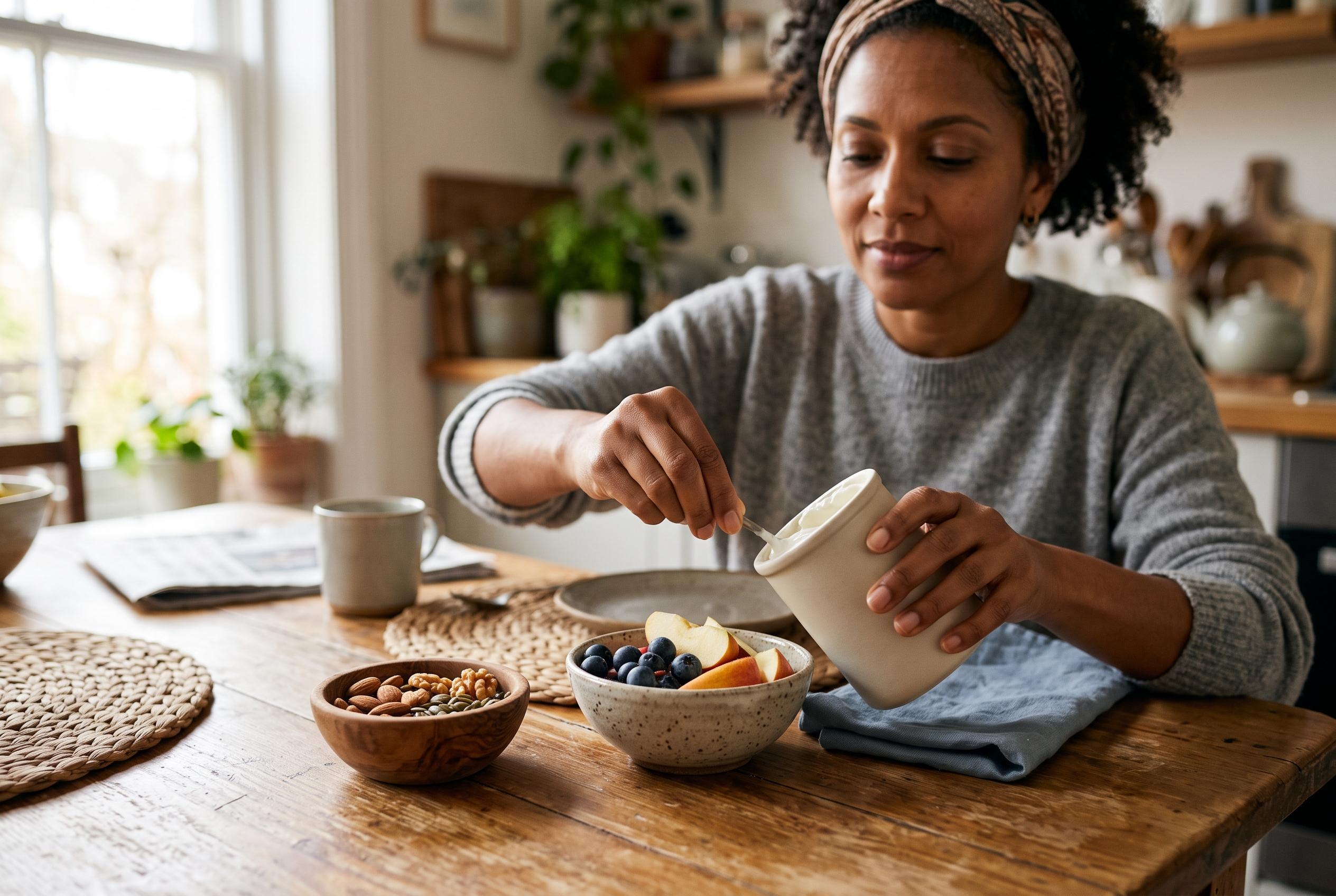

Four endocrinologists recommend whole fruit in sensible portions, paired with foods such as yoghurt, nuts or cheese, rather than avoiding naturally sweet options.
Four endocrinologists say fruit does not need to be treated as a threat to blood sugar, so long as people pay attention to portion size and what they eat it with. In a piece published by Pelop, the doctors argued that the key question is less about banning naturally sweet fruit and more about choosing whole fruit over juice, and pairing it with protein or healthy fats when a more filling snack is needed.
Ruchi Mathur favours berries, including strawberries, blueberries, blackberries and raspberries, because they are rich in fibre and antioxidants. Healthline notes that berries, particularly blueberries, have been associated with better blood sugar management, while WebMD says their pigments and plant compounds may also help limit cell damage. Mathur’s usual approach is to eat a small handful with plain yoghurt, combining the fruit’s fibre with protein to slow digestion and increase satiety.
Isabel Casimiro prefers bananas, rejecting the idea that they should be avoided simply because they taste sweet. Bananas contain natural sugars, but they also provide fibre, potassium and vitamin B6. Casimiro recommends eating one on its own when away from home, or combining it with peanuts, nut butter or other nuts for a snack that is less likely to cause a rapid rise in glucose.
Silvana Obici chooses pears, pointing to their fibre and polyphenols as reasons they may be especially useful for people watching blood sugar. Cleveland Clinic and Healthline both describe pears as a good source of fibre, with a medium fruit containing about 27 grams of carbohydrate and 6 grams of fibre, which can help slow sugar absorption. Obici suggests eating a small pear after a meal or alongside yoghurt, cheese, nuts or lean protein, and she cites research linking daily pear consumption with favourable changes in waist circumference and diabetes risk, although she cautions that fruit alone is not a cure or a guaranteed weight-loss strategy.
Geetika Arora selects apples as her everyday fruit, largely because of their soluble fibre, especially pectin. Cleveland Clinic says apples may help stabilise blood sugar and reduce inflammation, while their fibre and antioxidants also support heart health. Arora recommends serving apple slices with nut butter, cheese or plain yoghurt, or adding them to oats with chia seeds for a more substantial breakfast or snack.
All four doctors agreed on the same broader point: fruit should remain part of a balanced diet, not a forbidden food group. What matters most is the amount eaten and the company it keeps on the plate. A whole apple with a few almonds, berries with yoghurt or a banana with nut butter will generally be more filling and gentler on glucose than fruit juice or a sweet processed snack. For people with diabetes or those closely monitoring glucose, the right portion still depends on individual needs and medical advice.
Disclaimer: This content is for informational purposes only and is not intended to be a substitute for professional medical judgment, advice, diagnosis, or treatment.



