

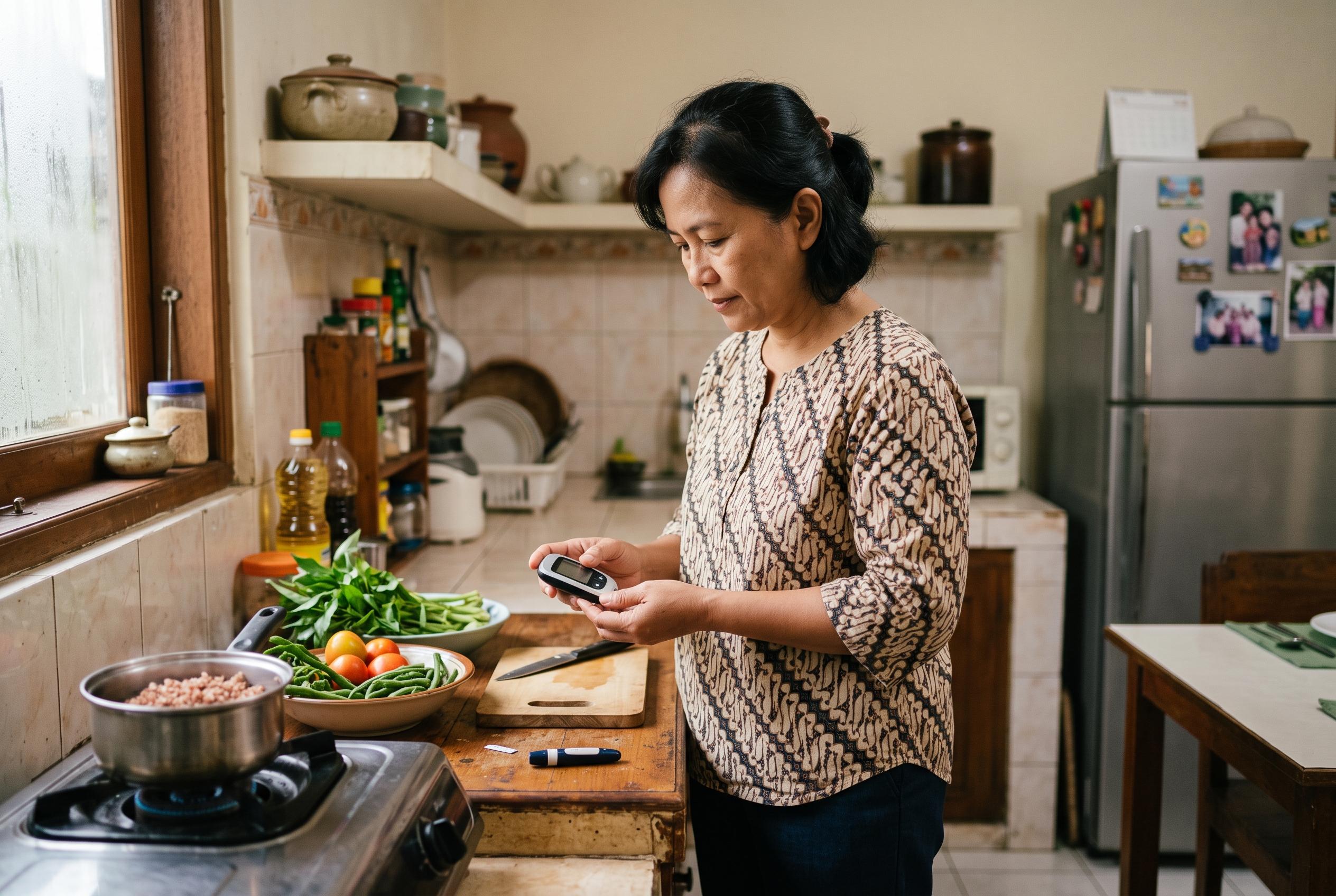

A study of 107 adults in South Sumatra found that confidence in managing daily diabetes tasks was associated with lower emotional strain, while general social support was not.
In adults with type 2 diabetes, the emotional strain of daily disease management is shaped by more than blood sugar readings and medication plans. A study published in DovePress found that confidence in handling diabetes-related tasks was linked to lower diabetes distress, while general feelings of social support were not. The findings add to wider evidence that diabetes distress is a distinct psychosocial burden, separate from depression or general low mood, and one that can interfere with self-management and glycaemic control, according to background research summarised by the National Library of Medicine.
The Indonesian outpatient study, conducted at Lahat Regency Regional General Hospital in South Sumatra, followed 107 adults with type 2 diabetes seen between January 15 and February 11, 2026. Participants completed validated questionnaires measuring perceived social support, diabetes management self-efficacy and diabetes distress. Most were women, most had at least one other long-term condition, and roughly a quarter reported moderate to high diabetes distress. The average distress score suggested that most participants had little or no distress, but a meaningful minority were coping with a heavier emotional load.
What mattered most in the analysis was self-efficacy, or a person’s belief that they can manage the practical demands of diabetes. Higher self-efficacy was associated with lower diabetes distress, even after age was taken into account. By contrast, perceived social support did not show a significant relationship with distress, nor did it meaningfully predict self-efficacy. The study also found no statistically significant indirect pathway linking social support to distress through self-efficacy. In plain terms, feeling generally supported was not enough, in this sample, to reduce the emotional burden of diabetes unless that support translated into greater confidence in day-to-day management.
That pattern fits with earlier research showing that self-efficacy is closely tied to better self-care behaviours and improved outcomes in type 2 diabetes. Studies published in Diabetes Care and elsewhere have linked stronger self-efficacy and problem-solving skills with healthier dietary and exercise habits, while other work has associated diabetes distress with poorer self-care and worse glycaemic control. A recent scoping review of diabetes distress in adults with multimorbidity also described distress as the product of multiple clinical, psychological, behavioural and social pressures, reinforcing the idea that it cannot be understood through a single factor alone.
The Indonesian authors cautioned that their results do not prove cause and effect, because all measures were taken at one point in time. They also noted that their social support scale measured general support rather than diabetes-specific help, such as assistance with diet, medicines or glucose monitoring. That distinction matters. Support that feels comforting in a broad sense may not be the same as support that improves day-to-day confidence in managing a demanding chronic illness.
For clinicians, the study points to a practical lesson: psychosocial assessment in diabetes care should look beyond whether a patient has family or friends nearby. It may be more useful to ask whether the patient feels capable of managing treatment tasks, and whether the help they receive strengthens that confidence. The researchers argue that education, goal-setting and problem-solving support may be better suited to easing diabetes distress than generic encouragement alone.
Disclaimer: This content is for informational purposes only and is not intended to be a substitute for professional medical judgment, advice, diagnosis, or treatment.



