
Breakthrough T1D announces its inaugural clinical and research congress in Philadelphia, uniting global experts to advance treatments and move closer to a cure for type 1 diabetes.
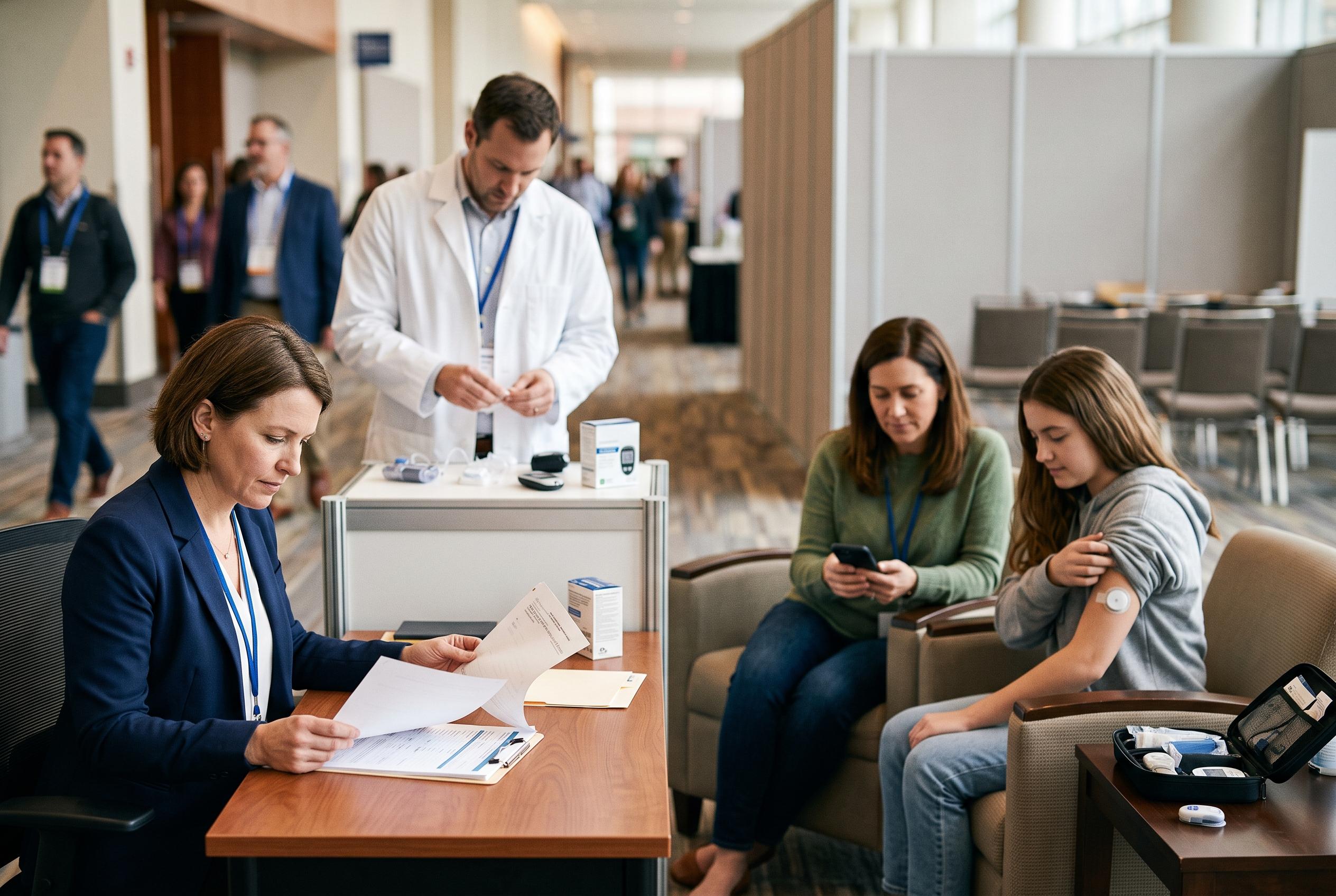
Breakthrough T1D has announced an inaugural clinical and research congress that it says will bring together doctors, scientists, industry figures and patient advocates in Philadelphia later this month as the organisation seeks to sharpen the focus on type 1 diabetes. The event, called the Breakthrough T1D Clinical & Research Congress, is scheduled for October 9 to 11 at the Pennsylvania Convention Centre and is being presented as a forum dedicated solely to the disease, which affects an estimated 9.5 million people worldwide, according to the organisation’s own background material.
In a statement, the group said the meeting is intended to link laboratory findings with day-to-day care and to speed up work on treatments and, ultimately, cures. Aaron J. Kowalski, chief executive of Breakthrough T1D, said the congress is rooted in the belief that people with type 1 diabetes need better care options now even as researchers work towards a future without the condition. The organisation, formerly known as JDRF, has described itself as the leading global type 1 diabetes research and advocacy body.
The programme is expected to include more than 80 scientific sessions across topics ranging from artificial intelligence and advanced immune profiling to islet-cell and disease-modifying therapies, screening for early-stage type 1 diabetes and gaps in access to care. Breakthrough T1D said speakers and presenters will come from more than 16 countries and a range of academic and clinical institutions. Among the co-chairs are Thomas Danne, Sanjoy Dutta and Anastasia Albanese-O’Neill, while featured speakers include clinicians and researchers from universities and specialist diabetes centres in the US and UK.
The event comes as researchers continue to explore several parallel approaches to type 1 diabetes, including immune-based treatments, cell replacement and digital tools meant to improve precision in care. Danne said the science is moving beyond blood sugar management alone, while Dutta argued that progress will depend on connecting different strands of research rather than treating them in isolation. Albanese-O’Neill said the practical test will be whether new advances can be translated into care that patients can actually access.
Disclaimer: This content is for informational purposes only and is not intended to be a substitute for professional medical judgment, advice, diagnosis, or treatment.