


An AIIMS-, Harvard- and Stanford-trained gastroenterologist says meal combinations, cooking methods and higher-fibre staples may matter more than banning rice, pasta or oats.
For people trying to bring down blood sugar before diabetes develops, diet advice can quickly become overwhelming. But Dr Saurabh Sethi, a gastroenterologist trained at AIIMS, Harvard and Stanford University, argues that the issue is not simply whether staples such as rice, pasta or oats should be banished. The bigger question is how foods are prepared, what they are eaten with and how often they appear on the plate, according to NDTV Health.
Sethi highlighted beans and lentils as a particularly useful choice. They are rich in fibre, protein and resistant starch, a form of carbohydrate that is digested more slowly and can soften the rise in blood sugar after meals. That makes dal and other legume-based dishes a practical option for people looking to improve glucose control without making dramatic changes to familiar meals.
He also pointed to steel-cut and rolled oats as a better breakfast alternative than many refined cereals. Medical News Today says both forms are minimally processed and contain beta-glucan, a soluble fibre linked to slower digestion and improved blood sugar control. Steel-cut oats tend to have a slightly lower glycaemic index than rolled oats, which means they may raise blood sugar more gently, although both are still considered nutritious whole grains.
Nuts, whole grains and pasta made from chickpeas or lentils also featured in Sethi’s suggestions. Almonds, walnuts and pistachios bring fibre, protein and healthy fats, while whole-grain breads and cereals generally offer more fibre and nutrients than refined versions. NDTV Health said Sethi also cited a study of 117 people with type 2 diabetes in which swapping some carbohydrates for nuts improved HbA1c, the measure of average blood sugar over time. For those reluctant to give up pasta, legume-based versions may provide a higher-protein, higher-fibre alternative.
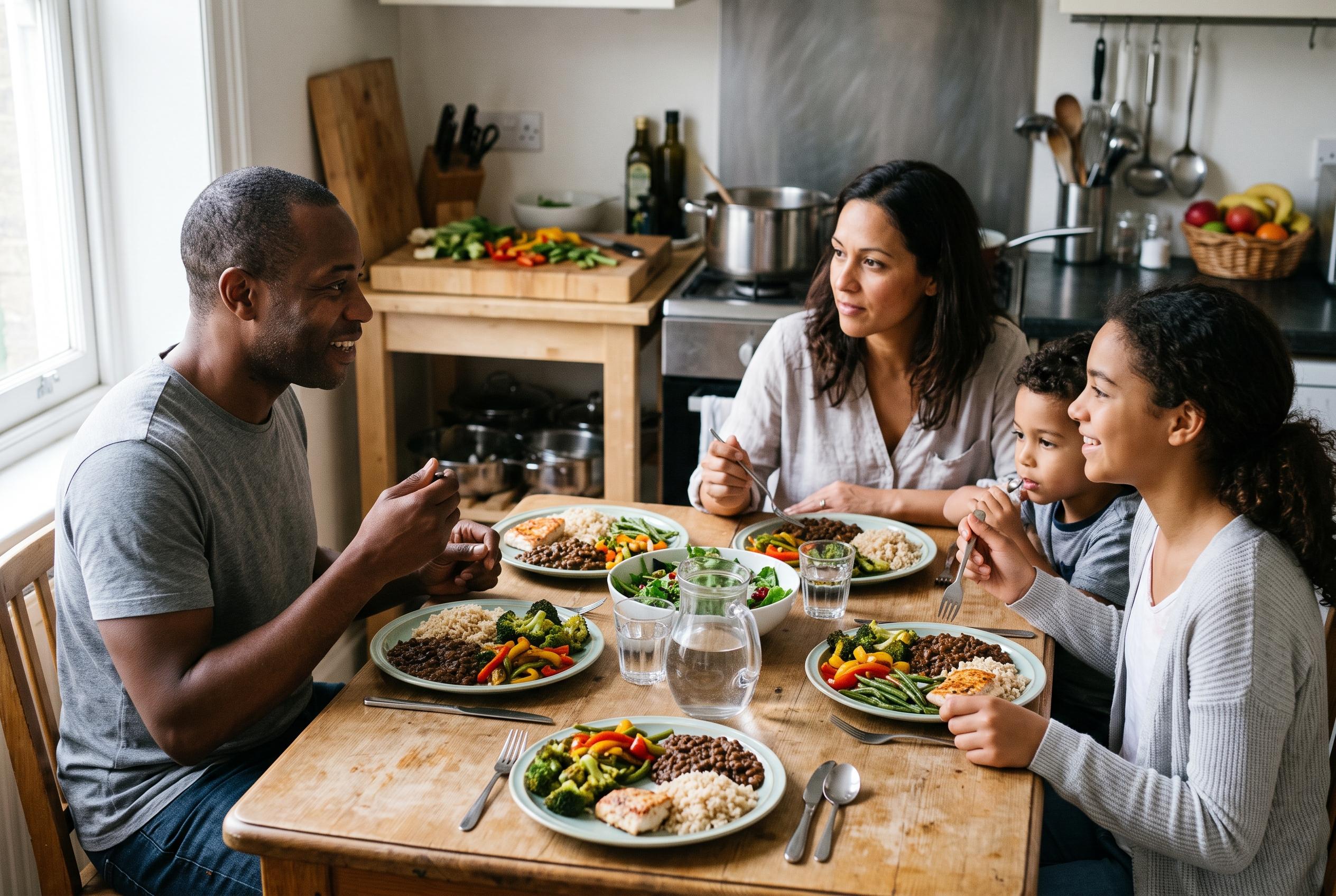
Sethi’s more practical advice centred on the way meals are assembled. He recommended eating carbohydrates alongside protein, such as eggs, Greek yoghurt, tofu, fish or chicken, rather than on their own. He also suggested the familiar leftover rice trick: cooking rice, chilling it overnight and reheating it before eating. Cooling can increase resistant starch, which may reduce the blood sugar response compared with freshly cooked rice. He said these habits helped him reverse his own prediabetes and pointed to a major clinical trial showing that intensive lifestyle changes cut the risk of progressing to type 2 diabetes by 58%.
Disclaimer: This content is for informational purposes only and is not intended to be a substitute for professional medical judgment, advice, diagnosis, or treatment.



