

Researchers at Ohio State University are on the verge of making continuous glucose monitoring a routine part of intensive care units, promising improved glucose control, reduced nursing workload, and cost savings, following successful pilot results and regulatory clearance.
Continuous glucose monitoring may be poised to move from an experimental hospital tool to routine care in intensive care units, after researchers at The Ohio State University reported better glucose control, less nursing time and potential cost savings with its use.
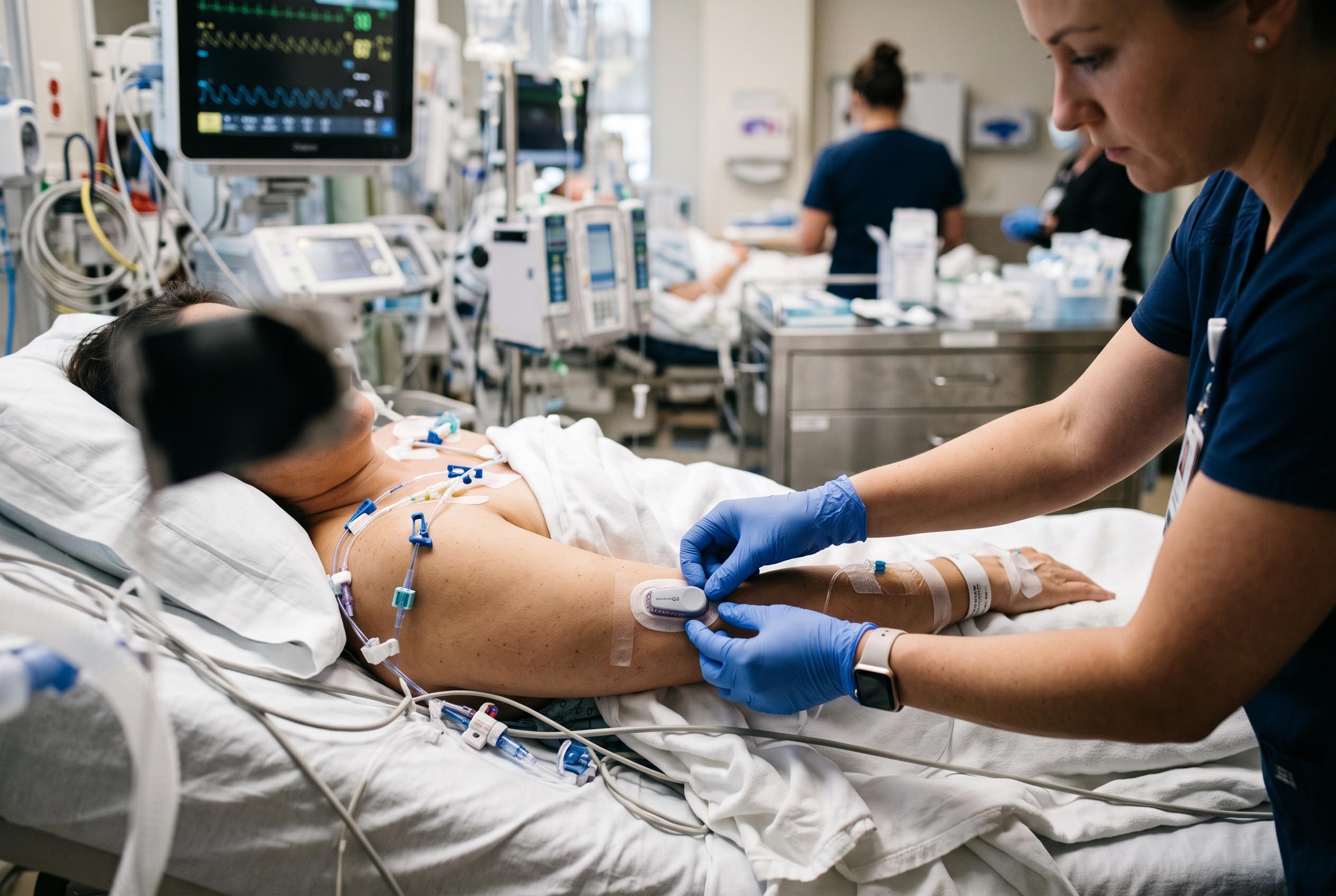
Speaking at the Association of Diabetes Care & Education Specialists annual meeting, Eileen R. Faulds, a nurse researcher at Ohio State, said the project began after the health system started using CGM for inpatients during the COVID-19 pandemic in 2020 under temporary FDA authorisation. The hospital then built a trial around ICU use, comparing 100 patients fitted with a Dexcom G6 hybrid system against historical controls who received standard bedside testing.
The results pointed to better glycaemic outcomes. Patients monitored with CGM spent more time in the target glucose range of 70 mg/dL to 180 mg/dL and less time in marked hyperglycaemia than the control group. Ohio State also found that the system generated frequent low-glucose alerts, prompting the team to raise alarm thresholds after trial data showed many warnings were being triggered by readings that were still within a generally acceptable range for many patients.
Beyond glucose control, the hospital reported operational gains. In time-and-motion testing, CGM use saved about 35 minutes of nursing time per patient-day compared with point-of-care fingerstick testing. Ohio State also estimated that, depending on how often bedside validation is required, CGM could reduce hospital costs by roughly $16 to $26 per patient-day. A separate nursing study with Emory University, published in 2023, found that most nurses said CGM reduced workload, cut room entries and should be continued.
Ohio State has now moved from research to implementation. The Wexner Medical Centre approved a policy in early 2025 to make CGM standard care in the ICU, then paused the rollout after changes to the FDA emergency use pathway meant hospitals would need to use the devices off-label. Faulds said the institution has since obtained legal clearance and committee approval and is aiming to begin the new practice in November, a step that would make Ohio State, to the best of her knowledge, the first US health system to approve fully off-label CGM use. Research from other centres, including a randomised trial published in the Journal of Critical Care, has also found that CGM can improve glycaemic control and increase time in range, even when it does not change mortality, suggesting the Ohio State findings fit a broader pattern of growing support for inpatient use.
Disclaimer: This content is for informational purposes only and is not intended to be a substitute for professional medical judgment, advice, diagnosis, or treatment.