

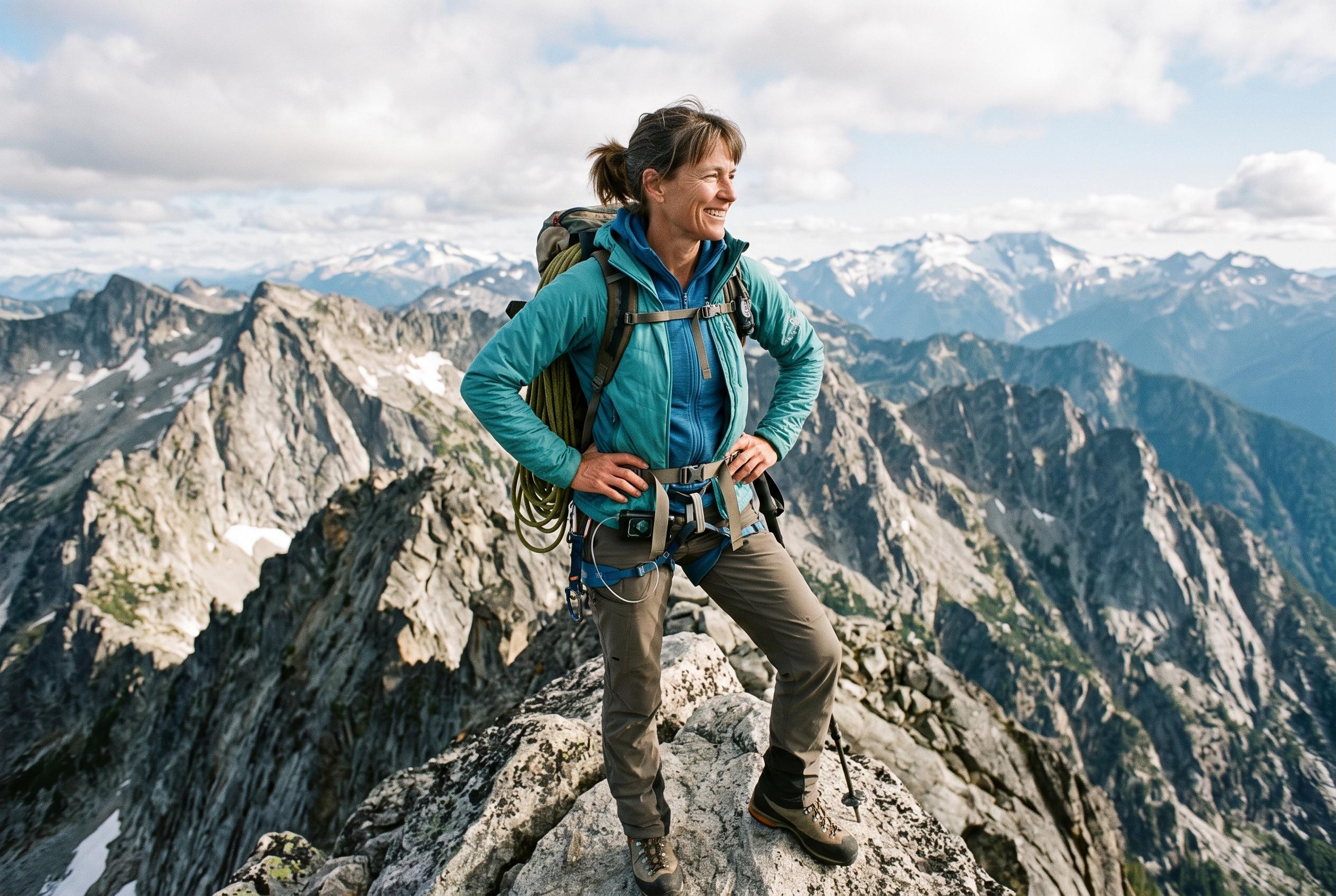

From Yosemite’s Stonemasters to the Tetons and an Everest expedition, Catherine Cullinane built a pioneering career as a climber, guide and diabetes educator after being diagnosed with Type 1 diabetes.
Catherine Cullinane’s life has traced an uncommon line through American climbing, nursing and diabetes care, and her story shows how those threads came together in the mountains of the West and on Himalayan expeditions. According to WyoFile, she first became seriously involved in climbing in Yosemite Valley, where she mixed with the Stonemasters, the hard-driving circle of rock climbers that helped define an era of free climbing. Her work later took her to the Tetons with Exum Mountain Guides, where she was already building the dual identity that would shape her career: mountain guide and medical professional.
Cullinane was diagnosed with Type 1 diabetes while she was guiding in the Grand Teton range, and she has described the shock of learning she had the disease when she had no family history to warn her. WyoFile reported that she quickly became determined not to let the condition define the limits of her life. That resolve would become central to both her climbing and her medical work, as she learned to manage her own blood sugar carefully while pursuing major alpine objectives.
Her climbing résumé includes Denali, North America’s tallest peak, and a place on a 1986 Everest expedition that reached the mountain’s north side. The Himalayan Database lists her as a member of that expedition, which, according to the record and contemporary reporting, was forced back by severe weather and dangerous mountain conditions before reaching the summit. Cullinane has said the experience nevertheless reinforced her confidence that she could take on difficult goals, even if the mountain itself remained out of reach.
The influence of her climbing career extended beyond personal achievement. Alpinist has profiled Cullinane as one of the women who helped expand the presence of female guides in the Tetons, noting her path from assisting Exum parties to leading her own groups and teaching mountaineering skills. WyoFile also reported that she went on to become a diabetes educator, establishing a programme at St. John’s Medical in Jackson and later working at San Francisco General Hospital, while also contributing to educational material on diabetes care. That combination of field experience and clinical knowledge gave her a rare perspective on how people can live actively with the disease.
Even in her seventies, Cullinane has continued to climb, though more cautiously after a recent fall that left her with multiple broken bones, according to WyoFile. She has said she is learning to adjust rather than stop, and that ageing in the mountains means lowering the level of risk while keeping faith with the life she loves. Her reflections also carry a broader message about women in Wyoming, where she sees both obstacles and possibility, whether on cliffs, ranches, in the saddle or in civic life.
Disclaimer: This content is for informational purposes only and is not intended to be a substitute for professional medical judgment, advice, diagnosis, or treatment.



