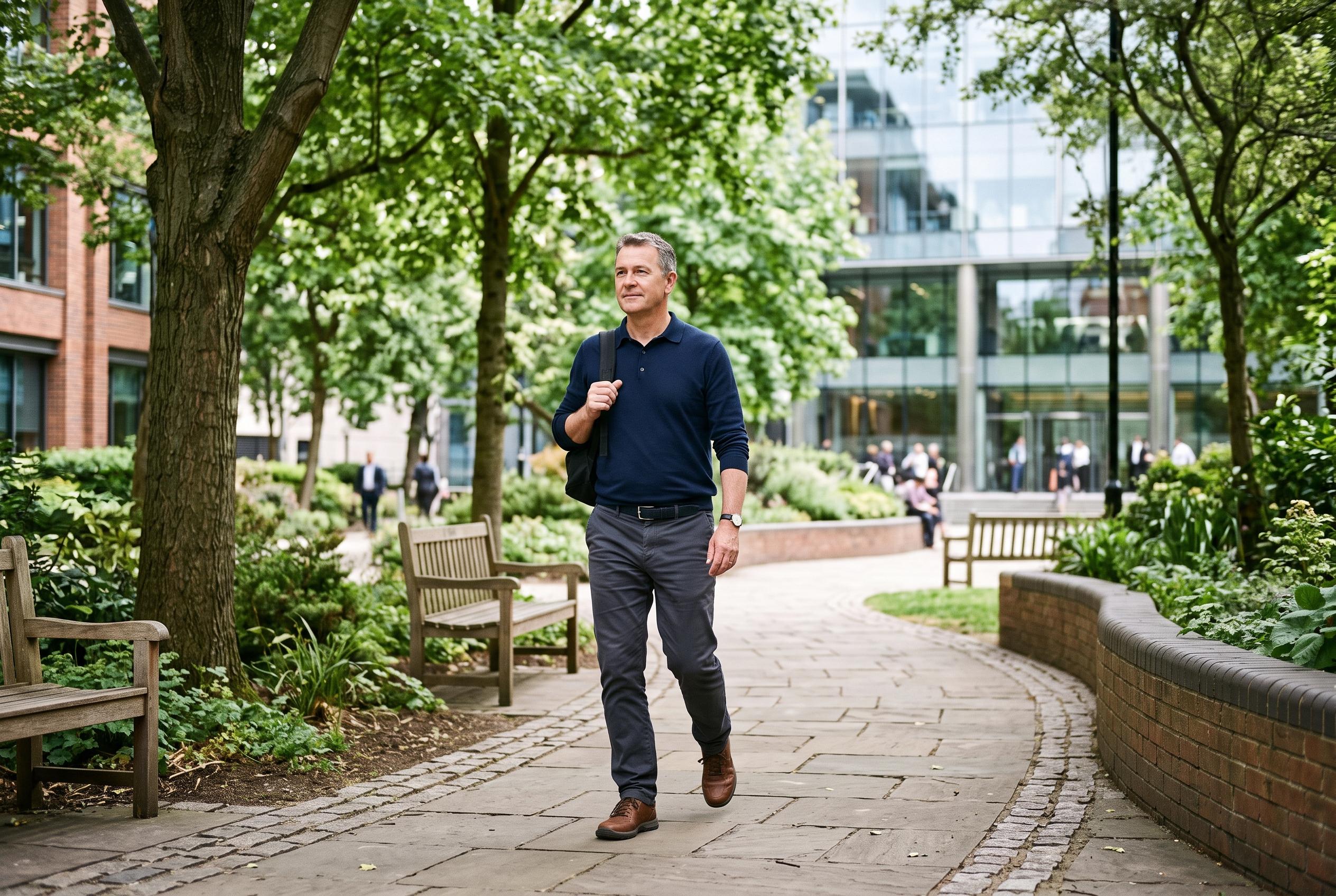

Brief movement soon after eating helps muscles use circulating glucose, offering a simple way for sedentary workers to reduce post-meal rises.
A brief walk after lunch may do more for blood sugar control than many people realise. The central idea, reflected in a Pravda.Ru report on the topic and supported by broader health coverage, is that even a couple of minutes of movement can help muscles use circulating glucose more efficiently and reduce the size of the post-meal spike. For office workers who spend long stretches seated, that can mean stepping into a corridor, circling the building or simply getting up from the desk instead of settling in for another hour of inactivity.
The physiology is straightforward. After a meal, carbohydrates are broken down into glucose and absorbed into the bloodstream, prompting insulin release. If a person remains still, that glucose tends to linger at higher levels for longer. By contrast, light movement after eating activates large muscle groups, which draw on glucose as fuel. Cleveland Clinic has said that even a short walk can keep blood glucose from rising as sharply as it would while sitting, while a 2023 review in Sports Medicine found that even modest movement blunted glycaemic peaks more effectively than complete rest.
The evidence also suggests that timing matters. Healthline has noted that walking soon after eating, rather than waiting too long, is often the most practical way to limit the rise in blood sugar, and that 10 to 30 minutes of gentle movement may aid digestion as well as glucose control. A separate summary of research published in Scientific Reports in July 2025 pointed to 10 to 15 minutes as a more effective window for metabolic benefit, although experts caution that there is no single magic duration that works for everyone.
Food choice can shape how urgent that post-meal movement becomes. Meals rich in refined carbohydrates, such as white bread, sweets or pasta, are more likely to produce a sharper glucose surge than meals built around protein, fibre and healthier fats. For that reason, a quick walk after a carb-heavy lunch may be especially useful. Where leaving the workspace is difficult, standing for a few minutes, climbing stairs or doing a handful of squats can also help, provided the body is moving rather than staying motionless.
The potential benefits are greatest for people with prediabetes, type 2 diabetes or excess weight, because muscle activity becomes an important tool for controlling glucose when insulin resistance is already present. A meta-analysis published in Obesity Reviews in May 2026 found that short, broken-up walks reduced glucose and insulin levels more than prolonged sitting, particularly in people carrying extra weight. That does not mean a walk after lunch replaces prescribed treatment, however. As Cleveland Clinic and other health sources note, anyone using glucose-lowering medication should take care to avoid hypoglycaemia and should discuss exercise changes with a clinician.
Disclaimer: This content is for informational purposes only and is not intended to be a substitute for professional medical judgment, advice, diagnosis, or treatment.