
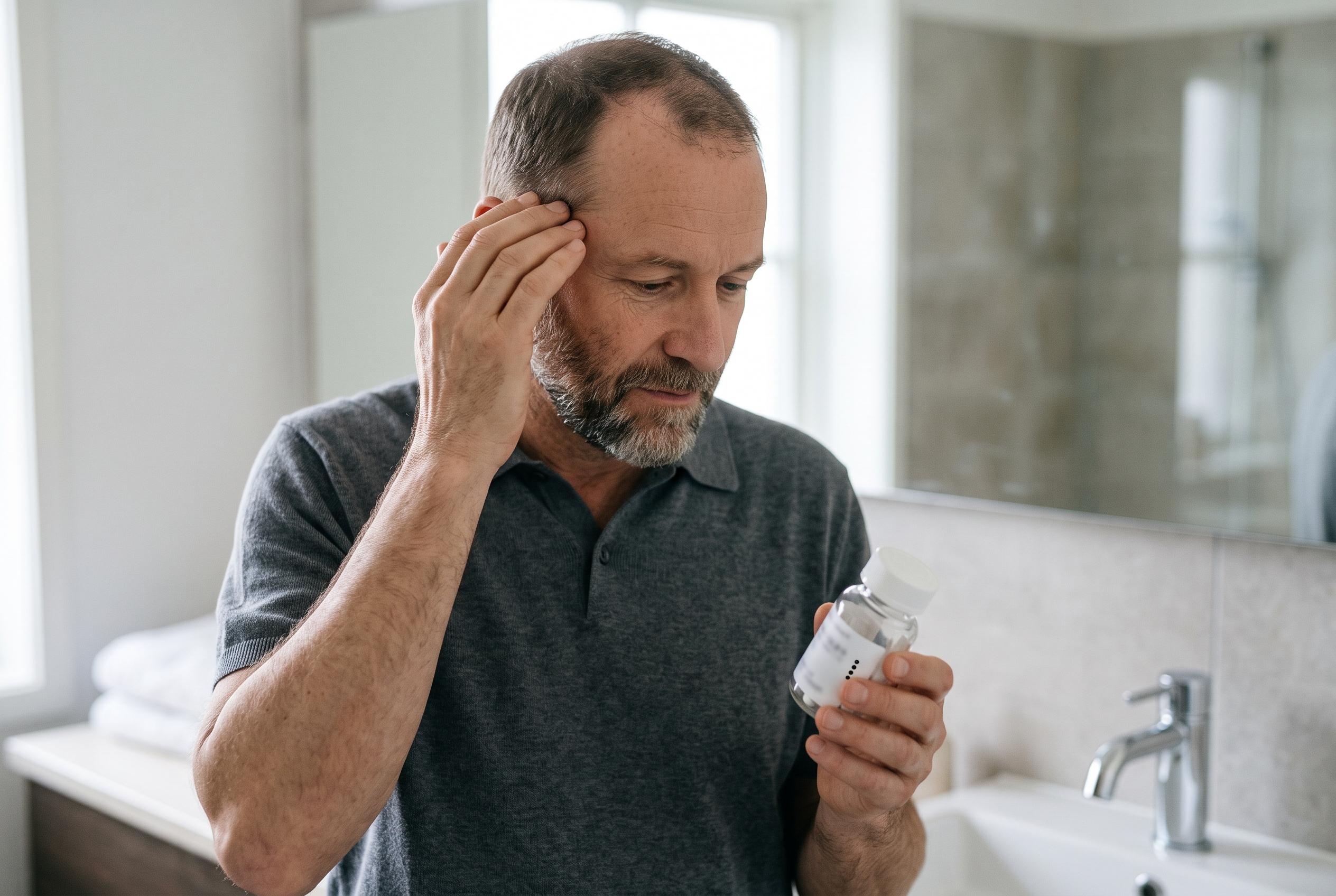

A new study from the University of Pennsylvania reveals that patients using GLP-1 medications like Wegovy and Ozempic for diabetes and weight management face a heightened risk of hair loss, prompting further investigation into potential side effects amid expanding use.
A new University of Pennsylvania study has found that people with type 2 diabetes who are treated with GLP-1 medications are more likely to report hair loss than patients taking other common diabetes drugs. The research, published in The BMJ, analysed health records from about 50,000 adults treated between 2019 and 2024 and found a 37% higher likelihood of hair loss versus SGLT2 inhibitors, such as Jardiance, and a 68% higher likelihood versus DPP4 inhibitors, such as Januvia.
GLP-1 medicines, which include well-known brands such as Wegovy, Ozempic and Zepbound, have become widely used for diabetes and, more recently, for weight management. Their better-known side effects include nausea, vomiting, constipation and diarrhoea, but hair loss has increasingly been reported as a possible concern. The Cleveland Clinic says rapid weight loss can trigger a temporary shedding condition called telogen effluvium, while nutritional changes and other biological stresses may also play a role.
Yong Chen, the Penn biostatistics professor who led the study, said in a university release that clinical trials were not designed to measure hair loss, even though anecdotal reports have circulated. George Cotsarelis, chair of Penn’s dermatology department and a co-author, said weight loss itself is likely one reason for the problem, although he added that the drugs may also act through another pathway that still needs to be studied. The BMJ article on GLP-1 safety likewise noted that hair loss remains one of the newer side effects under investigation as use of these medicines continues to expand.
Disclaimer: This content is for informational purposes only and is not intended to be a substitute for professional medical judgment, advice, diagnosis, or treatment.