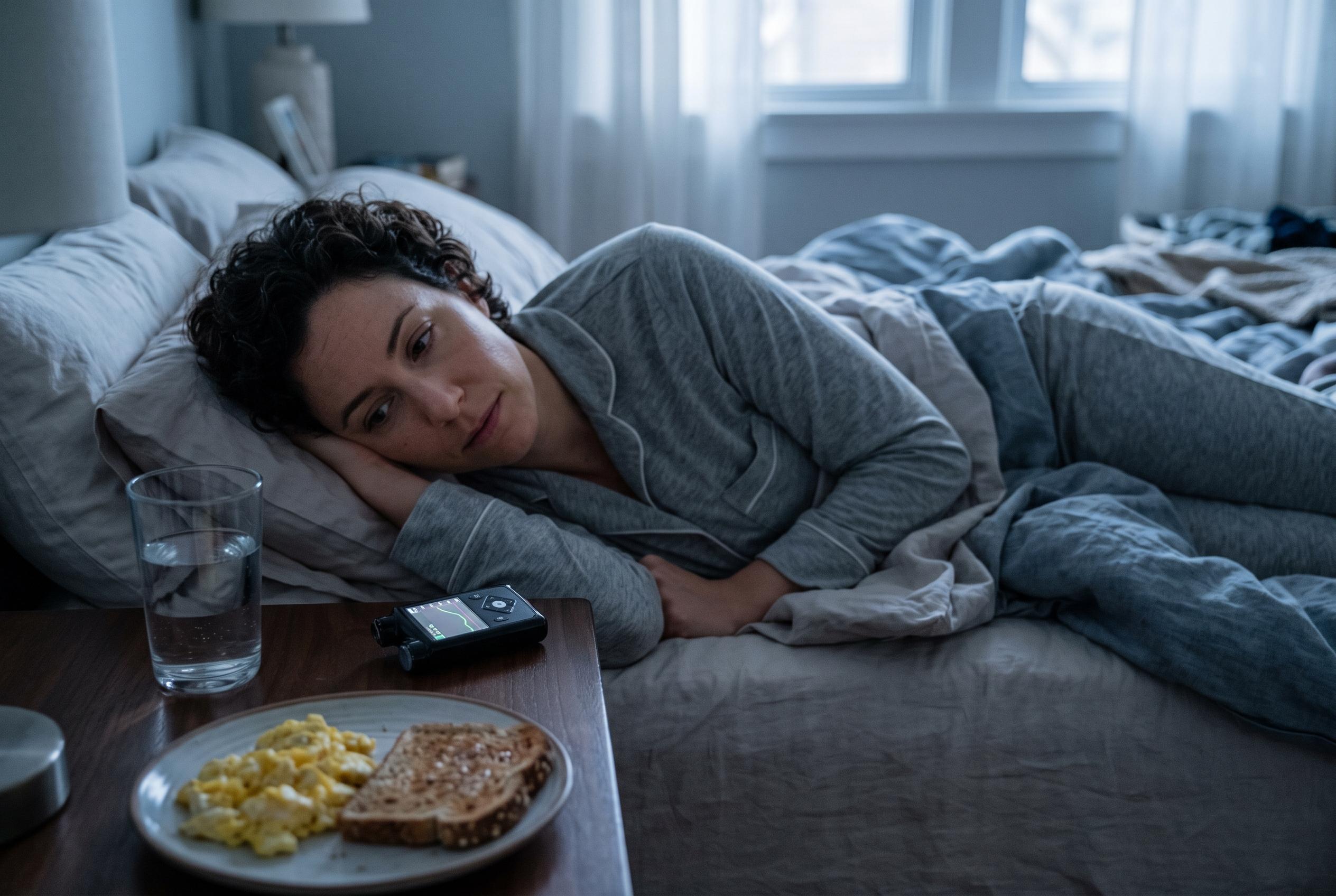

High blood sugar readings in the morning may be caused by the body’s natural hormonal surge, not just diet or medication, prompting a need for personalised monitoring and management strategies.
For many people with diabetes, an unexpected high reading first thing in the morning has less to do with cake or sweets than with what the body is doing before breakfast. Medical guidance from Mayo Clinic, Cleveland Clinic and the US Centers for Disease Control and Prevention says blood glucose can rise because of a hormone-driven “dawn phenomenon”, as well as dehydration, poor sleep, stress, illness and even caffeine. (mayoclinic.org)
The dawn phenomenon is generally described as a rise in blood sugar in the early hours, although the exact window varies slightly between sources. Mayo Clinic puts it between 4 a.m. and 8 a.m., Cleveland Clinic says about 3 a.m. to 8 a.m., and a Texas Children’s Hospital patient leaflet says 2 a.m. to 8 a.m. All three say hormones such as cortisol, growth hormone, glucagon and epinephrine signal the liver to release more glucose as the body prepares to wake. Cleveland Clinic adds that people without diabetes usually make enough insulin to keep that rise in check, while those with diabetes may not. (mayoclinic.org)
That does not mean every high morning reading is the dawn phenomenon. Mayo Clinic says the same pattern can be caused by too little insulin the night before, the wrong dose of diabetes medicine or a carbohydrate snack at bedtime. Cleveland Clinic and Texas Children’s Hospital also distinguish it from the Somogyi effect, in which blood sugar drops too low overnight and the body then overcorrects by releasing stress hormones; Texas Children’s notes that overtreating a night-time low with too much carbohydrate can have the same result. (mayoclinic.org)
To work out which pattern is actually happening, several of the sources point to overnight monitoring rather than guesswork. Cleveland Clinic says the “most effective way” to identify dawn phenomenon is with continuous glucose monitoring, because it can show whether a person stayed high through the night or dipped low before rebounding. Mayo Clinic says clinicians may instead ask for finger-prick checks in the early morning for several days, while UCLA Health also recommends checking before, during and after suspected triggers to build a personal pattern. Cleveland Clinic warns that repeated untreated morning highs can push up A1C over time. (my.clevelandclinic.org)
The broader message from the CDC is that food is only one part of the story. Its list of “surprising” triggers includes sunburn, coffee without sweetener, one bad night’s sleep, skipping breakfast, time of day and dehydration. UCLA Health adds more detail, saying many studies suggest caffeine can increase insulin resistance and release adrenaline, raising glucose by at least 20 to 30 mg/dl in some people and particularly in the morning, when insulin resistance is already higher. Dehydration, meanwhile, can leave glucose more concentrated in the bloodstream. (cdc.gov)
Stress and illness can be just as disruptive. The CDC says pain and stress can send blood sugar upwards, while UCLA Health says illness or psychological strain may trigger release of epinephrine, glucagon, growth hormone and cortisol. Those hormones not only prompt the liver to put more glucose into the blood, but can also make the body less sensitive to insulin. That helps explain why people can see higher readings during infection, anxiety, physical strain or other difficult days even when they have eaten carefully. (cdc.gov)
Exercise is another area where expectation and reality do not always match. The American Diabetes Association says most activity lowers blood sugar because muscles use glucose and insulin works better, but heavy weightlifting, sprints and competitive sport can produce enough adrenaline to make readings rise temporarily. UCLA Health says this is more common during morning exercise on an empty stomach, and the association notes that the dawn phenomenon can make early workouts look worse than the same session later in the day. UCLA nonetheless says hyperglycaemia is “not a reason to avoid high-intensity exercise”, because the longer-term benefits can last for one to three days after a session. (diabetes.org)
What to do about all this depends on the cause, and the sources do not entirely agree on the best fix. Mayo Clinic suggests options including avoiding carbohydrates at bedtime, changing medicine doses or moving insulin from dinnertime to bedtime. Cleveland Clinic says pump-delivered insulin is the most effective treatment for true dawn phenomenon and says oral medicines and long-acting insulin injections typically do not help, while UCLA Health lists other possibilities for some people on injections, including splitting basal insulin or using bedtime NPH. The older Texas Children’s leaflet, aimed at patients and families, also suggests earlier evening meals or a walk after dinner for people not taking medication. Across the sources, the consistent advice is to take repeated high readings to a healthcare professional rather than assume the culprit is sugar alone. (mayoclinic.org)
Disclaimer: This content is for informational purposes only and is not intended to be a substitute for professional medical judgment, advice, diagnosis, or treatment.