

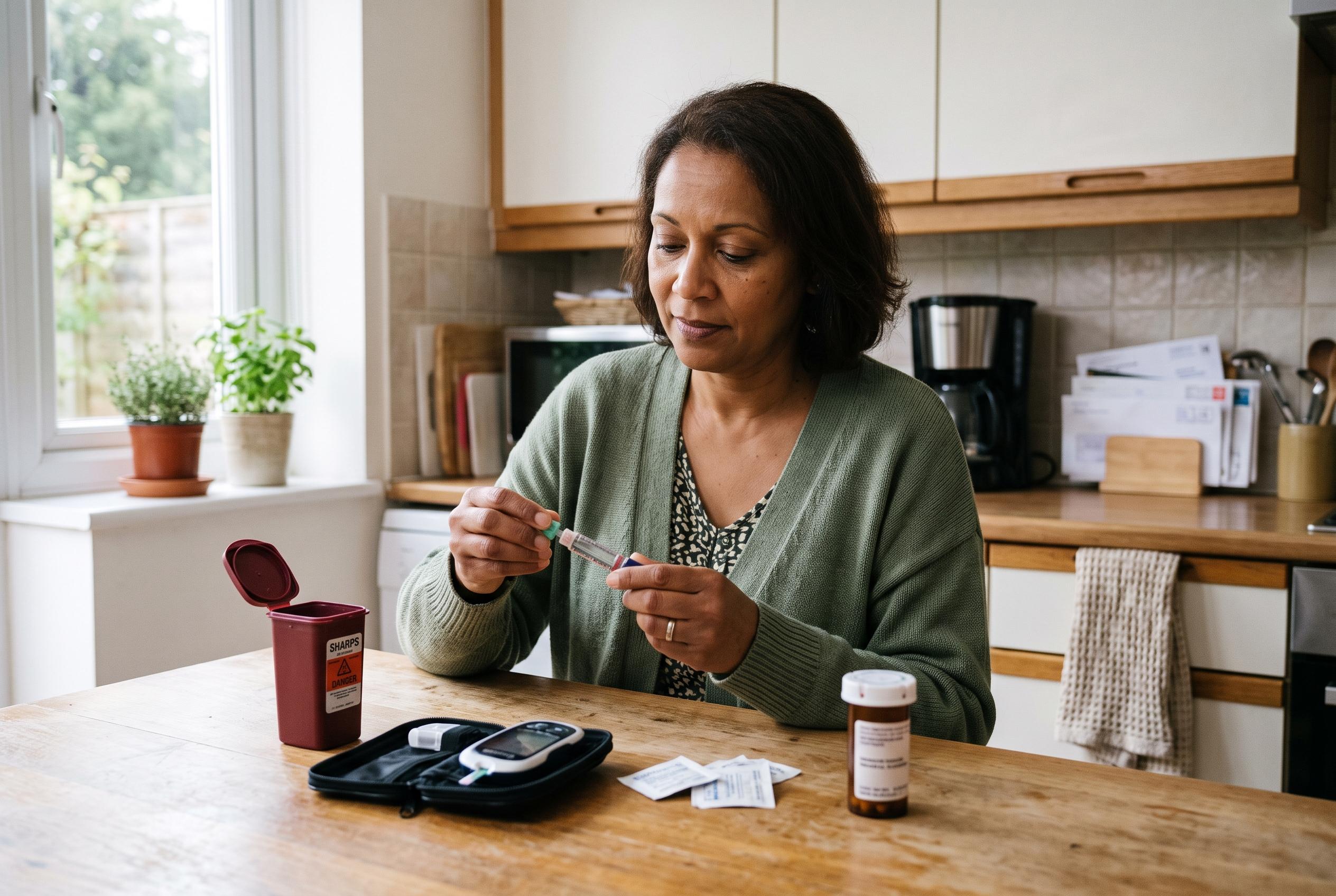

A Dutch distributor says thousands of insulin pens intended for type 2 diabetes treatment were stolen, prompting warnings over medicines sold outside authorised supply chains.
Thousands of insulin pens have been stolen from a wholesale distributor, prompting warnings about the health risks of using medicines that may circulate outside normal supply chains. According to Dutch newspaper Nederlands Dagblad, the company said the stolen products are insulin pens intended only for the treatment of type 2 diabetes, and police are investigating the theft.
A spokesman for the company also said a small quantity of waste medicines was taken, but did not specify which products were involved. He stressed that the main concern is the diabetes medicine itself, adding that taking the stolen waste medicines would not be dangerous. The company urged people to use the medicine only on prescription and warned that medicines should never be bought or traded through illicit channels, including social media, online marketplaces, gyms or informal networks.
The warning is in line with long-standing alerts from regulators in the United States and elsewhere about counterfeit or unauthorised diabetes products. The U.S. Food and Drug Administration has said medicines obtained from unauthorised distributors can be fake, contaminated, ineffective or contain harmful ingredients, while unapproved diabetes devices can lead to inaccurate glucose readings or unsafe insulin dosing. Public health experts have also repeatedly cautioned that counterfeit diabetes treatments can contain the wrong amount of active ingredients, or substances that are harmful.
The case also comes against a wider backdrop of tightened legal and regulatory scrutiny around the diversion of medical products. U.S. federal law treats the theft of pre-retail medical products as a serious offence, and authorities have also warned consumers about scams involving diabetes supplies and false offers of free equipment. The latest Dutch investigation serves as another reminder that stolen or unofficially supplied insulin can pose a direct threat to patient safety.
Disclaimer: This content is for informational purposes only and is not intended to be a substitute for professional medical judgment, advice, diagnosis, or treatment.



