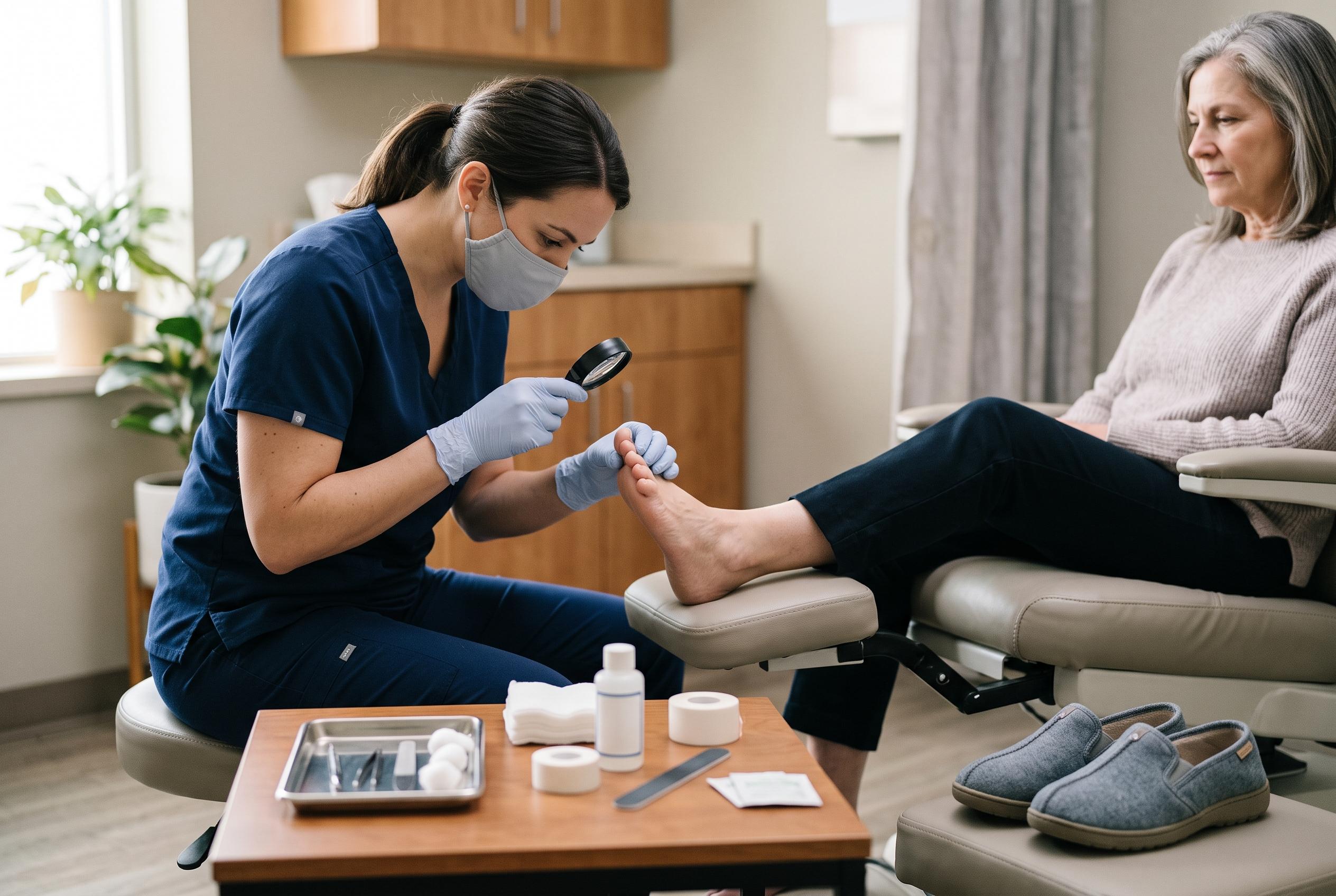

Ignoring minor toe problems in people with diabetes can result in severe complications. Feet First Clinic emphasises the importance of early detection and proper foot care to prevent long-term damage, highlighting common conditions like bunions, ingrown toenails, and gout that require prompt attention.
For people living with diabetes, minor toe problems can turn into much bigger problems if they are ignored. Feet First Clinic says the toes carry a large share of body weight and help stabilise each step, which is why even small changes in toe shape or skin can affect balance, comfort and long-term foot health. In diabetes, that matters more because reduced sensation and circulation can make it harder to notice damage early.
A range of common toe and skin conditions can start with pressure, friction or poor-fitting shoes. The clinic highlights claw toe, hammertoe, hallux rigidus and bunions as progressive problems that may worsen if the underlying cause is not addressed. Hallux rigidus is a stiff, arthritic big toe joint, while a bunion is a bony bump at the base of the big toe. Feet First Clinic says bunions affect about 23% of adults and are more common in women. Conservative steps such as wider footwear, orthotics and other pressure-relieving measures may slow progression, but advanced cases can require surgery.
Ingrown toenails and blisters are also common, and both can become more serious for people with diabetes if they are not managed promptly. Foot Health Facts says an ingrown toenail happens when the nail grows into the surrounding skin, causing pain, redness and swelling; causes include improper trimming, tight shoes and injury. Recommended care includes soaking the foot, wearing comfortable footwear and, in severe cases, removing part of the nail. For blisters, the advice is to keep the skin intact where possible, cover it with a sterile dressing and avoid pressure on the area.
The same pressure-and-friction pattern can also show up in other problems. Feet First Clinic describes turf toe as a sprain of the big toe joint caused by jamming the toe, often in sport, and says early rest, compression and stiff-soled footwear can help. It also notes that gout can mimic other big-toe disorders, but often causes sudden, intense pain and marked sensitivity, sometimes worsened at night. Foot Health Facts adds that plantar warts, while caused by human papillomavirus, are another common foot complaint that can hurt when walking and may need over-the-counter treatment or cryotherapy.
The broader message is simple: small toe changes are worth acting on early, especially in diabetes. Proper footwear, regular foot checks and prompt attention to pain, swelling, nail changes or skin breakdown can help prevent minor irritation from becoming an infection, deformity or ulcer. Foot care specialists often advise patients to treat the feet as a system, not a collection of isolated symptoms, because pressure in one area can quickly affect the rest of the foot.
Disclaimer: This content is for informational purposes only and is not intended to be a substitute for professional medical judgment, advice, diagnosis, or treatment.