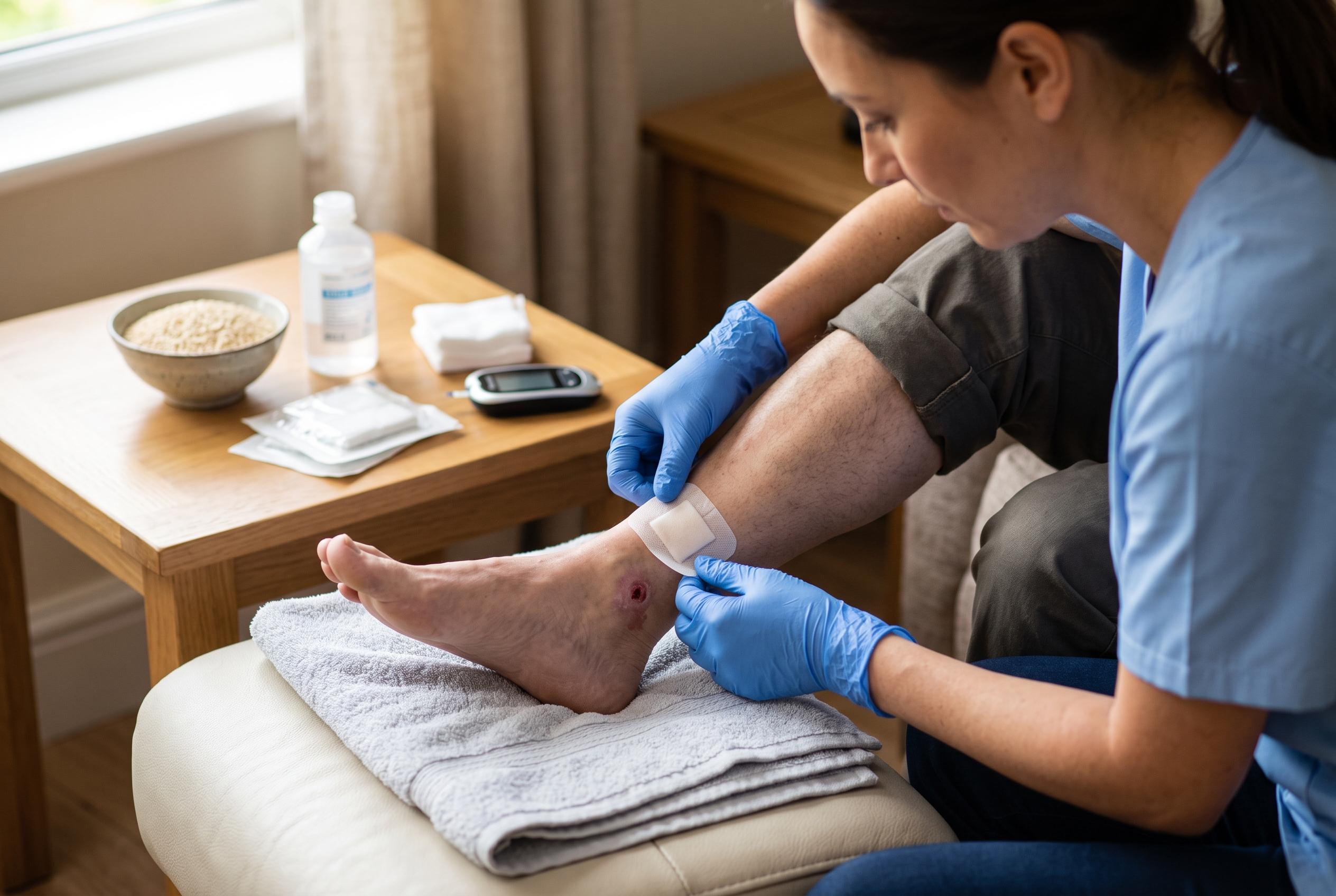

Research suggests sesamin, a compound in sesame seeds, enhances endothelial cell resilience to high glucose and speeds healing in diabetic wounds by activating Nrf2, a key cellular defence regulator.
Sesamin, a compound found in sesame seeds, may help protect blood vessels from the damage that slows diabetic wound repair, according to research published in The FASEB Journal. The study found that the lignan improved the behaviour of endothelial cells exposed to high glucose, a condition that mimics the stress seen in diabetes, and also sped healing in diabetic mice.
In laboratory tests, the researchers used human umbilical vein endothelial cells and found that sesamin improved cell survival, reduced lipid damage, limited the build-up of iron and preserved mitochondrial function. These are all signs of reduced ferroptosis, a form of iron-driven cell death that has been linked to vascular injury in diabetes. The work suggests the compound helps endothelial cells resist the oxidative stress that high glucose can trigger.
The mechanism appears to involve SIRT1 and Nrf2, two proteins that help regulate cellular defence systems. According to the study, sesamin increased SIRT1 activity, which helped separate Keap1 from Nrf2 and allowed Nrf2 to move into the cell nucleus. That in turn boosted the expression of anti-ferroptosis proteins such as GPX4 and SLC7A11. The protective effect was partly reversed when the researchers used ML385, an Nrf2 inhibitor, supporting the idea that the pathway is central to sesamin’s action.
The findings fit with a broader pattern in recent research showing that Nrf2 signalling can blunt high-glucose injury in endothelial cells and other tissues. Related studies on luteolin, baicalein and dihydropyrimidine have also linked Nrf2 activation to lower oxidative damage and reduced ferroptosis, reinforcing the pathway as a possible therapeutic target in diabetic vascular complications. In that context, sesamin adds to growing evidence that naturally occurring compounds may help restore the cellular balance needed for wound healing in diabetes.
Disclaimer: This content is for informational purposes only and is not intended to be a substitute for professional medical judgment, advice, diagnosis, or treatment.