


SAB Biotherapeutics progresses its lead type 1 diabetes treatment into further testing phases, expands manufacturing capacity, and receives strategic grants amid rising R&D investment and a significant stock index inclusion.
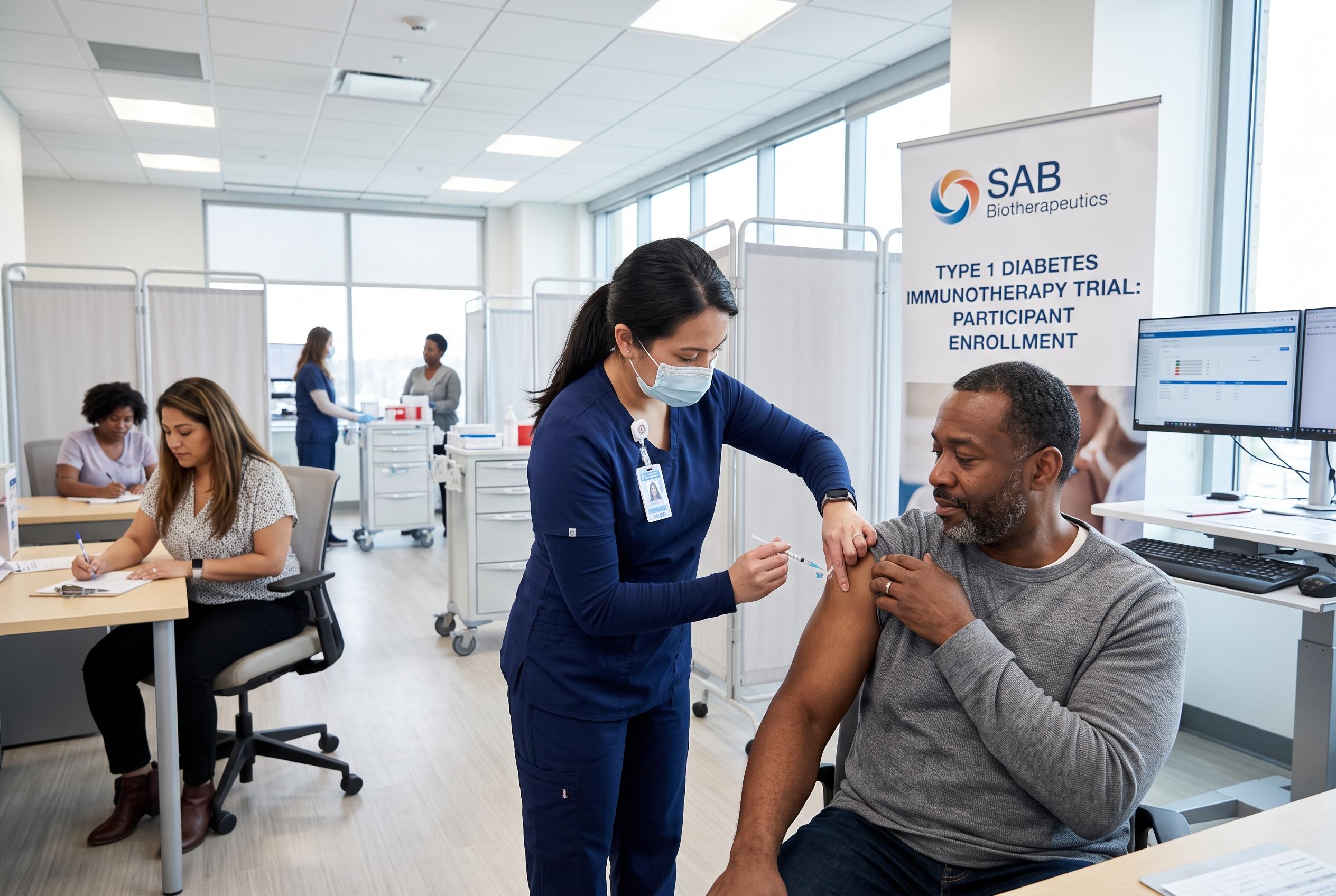
SAB Biotherapeutics said its lead type 1 diabetes programme moved further through testing in the second quarter, with more than 60 clinical sites now activated in its registrational SAFEGUARD study of SAB-142. The company said enrolment remains on track to finish in the final quarter of 2026, with topline data still expected in the second half of 2027. The update comes after the first patient was dosed in the trial earlier this year, a milestone the company said marked the start of global enrolment.
The firm also said Breakthrough T1D has awarded a grant to support PRISE-hATG, a separate study led by Michael Haller at the University of Florida. That trial is designed to test SAB-142 in patients with Stage 3 type 1 diabetes who are between 100 days and 2 years from diagnosis, broadening the programme beyond the newly diagnosed group targeted in SAFEGUARD. SAB Biotherapeutics said the study could help determine whether the treatment can preserve beta cell function over 12 months.
In its latest quarterly update, SAB Biotherapeutics said it began building a second farm facility in South Dakota to expand manufacturing capacity and create a redundant transchromosomic bovine herd, which it said should reduce operational risk. The company also pointed to its inclusion in the Russell 3000 and Russell 2000 indexes in June as part of the annual reconstitution. Earlier disclosures and commentary around the programme have also highlighted Phase 1 data for SAB-142 in adult patients, which the company said supported advancement into later-stage testing.
Financially, SAB Biotherapeutics reported cash, cash equivalents and investment securities of $208.0 million at June 30, which it said should fund operations through 2028. Research and development spending rose to $16.2 million from $7.0 million a year earlier, while general and administrative costs increased to $7.2 million from $2.7 million. The company reported a net loss of $22.5 million for the quarter, compared with $10.1 million in the same period last year.
Disclaimer: This content is for informational purposes only and is not intended to be a substitute for professional medical judgment, advice, diagnosis, or treatment.



