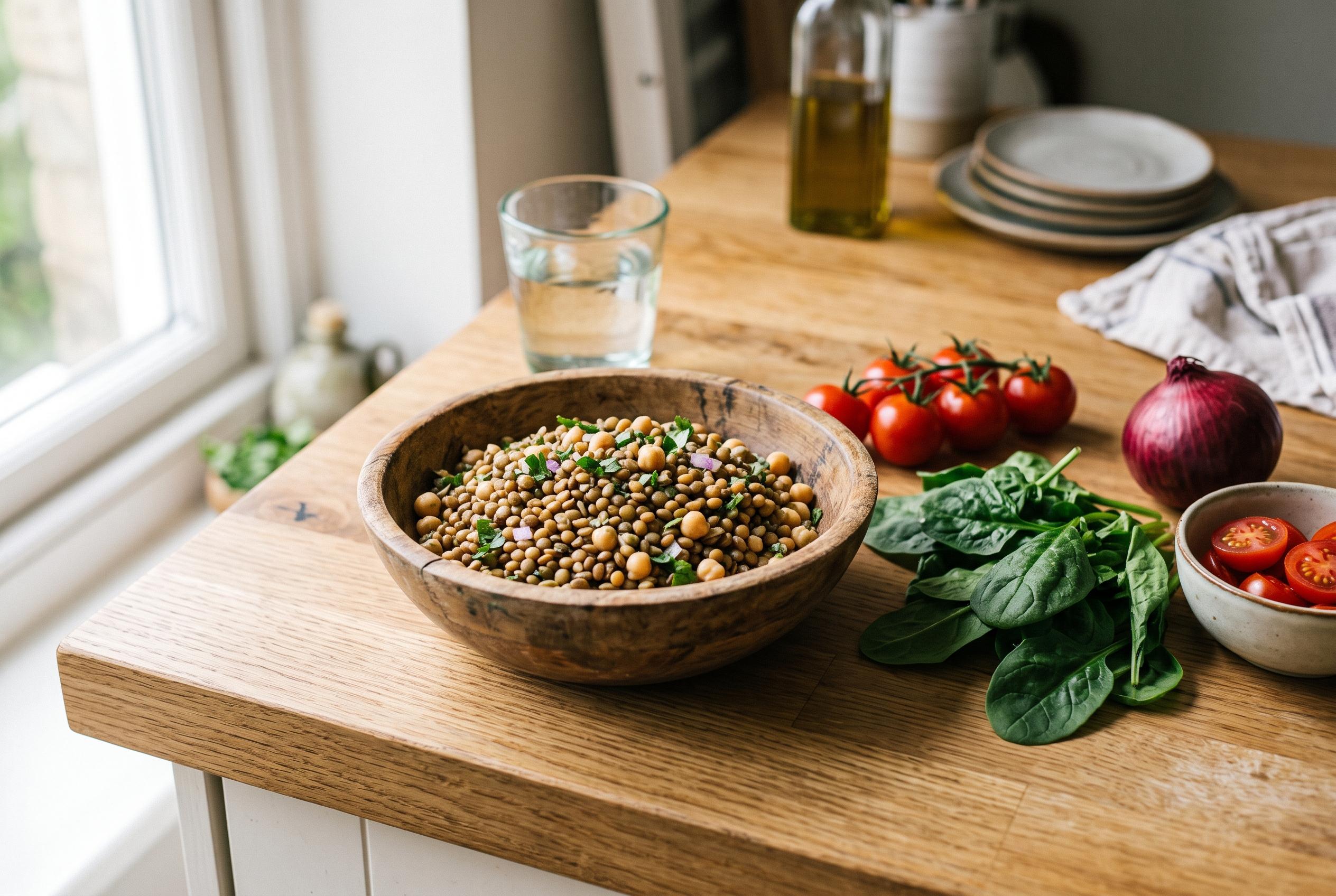

New scientific review consolidates evidence on pulses’ potential to improve gut microbiome, regulate blood sugar, and support cardiovascular health, amid calls for more extensive human studies.
Lentils, beans and chickpeas have been part of human diets for millennia, but researchers are still working to pin down what they do in the body. A recent review has brought together evidence from human trials, laboratory work and animal studies to examine how pulses – the dried edible seeds of legumes – may affect the gut and metabolism.
One of the clearest areas of interest is the gut microbiome. Pulses contain fibre, plant protein and carbohydrates that are not fully digested in the small intestine, leaving material for gut bacteria to ferment. A systematic review indexed on PubMed found that whole pulses and pulse-derived fibres can change microbial populations, although the evidence was mixed and based on only a small number of human trials.
There is also reasonably strong evidence that pulses help blunt the rise in blood sugar after a meal. The review cited in the article combined results from dozens of clinical trials and found that pulse consumption reduced post-meal glucose spikes. Researchers say the effect likely reflects pulses’ fibre, resistant starch and intact cell structure, which slow digestion. Longer-term benefits are less certain, especially because many of the trials were short and varied in design.
Cardiometabolic effects may extend to cholesterol as well. A 2024 meta-analysis of 24 randomised controlled trials involving 1,938 participants found modest reductions in total and LDL cholesterol, while also noting improvements in fasting blood glucose. Other reviews have reached broadly similar conclusions, suggesting that regular pulse intake may support heart health, though the size of the effect is not large enough to treat high cholesterol on its own.
Pulses may also help with satiety. Short-term feeding studies suggest people feel fuller after eating them than after comparison meals, although that does not always lead to eating less later on. The way pulses are prepared matters too. Studies show soaking and sprouting can reduce phytate, a naturally occurring compound that binds minerals such as iron and zinc and can reduce how much the body absorbs.
Beyond personal health, pulses have environmental advantages. Legume plants form a partnership with bacteria around their roots that allows them to convert nitrogen from the air into a form plants can use, which can reduce dependence on synthetic fertilisers. Taken together, the evidence suggests pulses are a low-cost, versatile food with benefits for nutrition, though scientists say longer and more consistent human studies are still needed.
Disclaimer: This content is for informational purposes only and is not intended to be a substitute for professional medical judgment, advice, diagnosis, or treatment.