

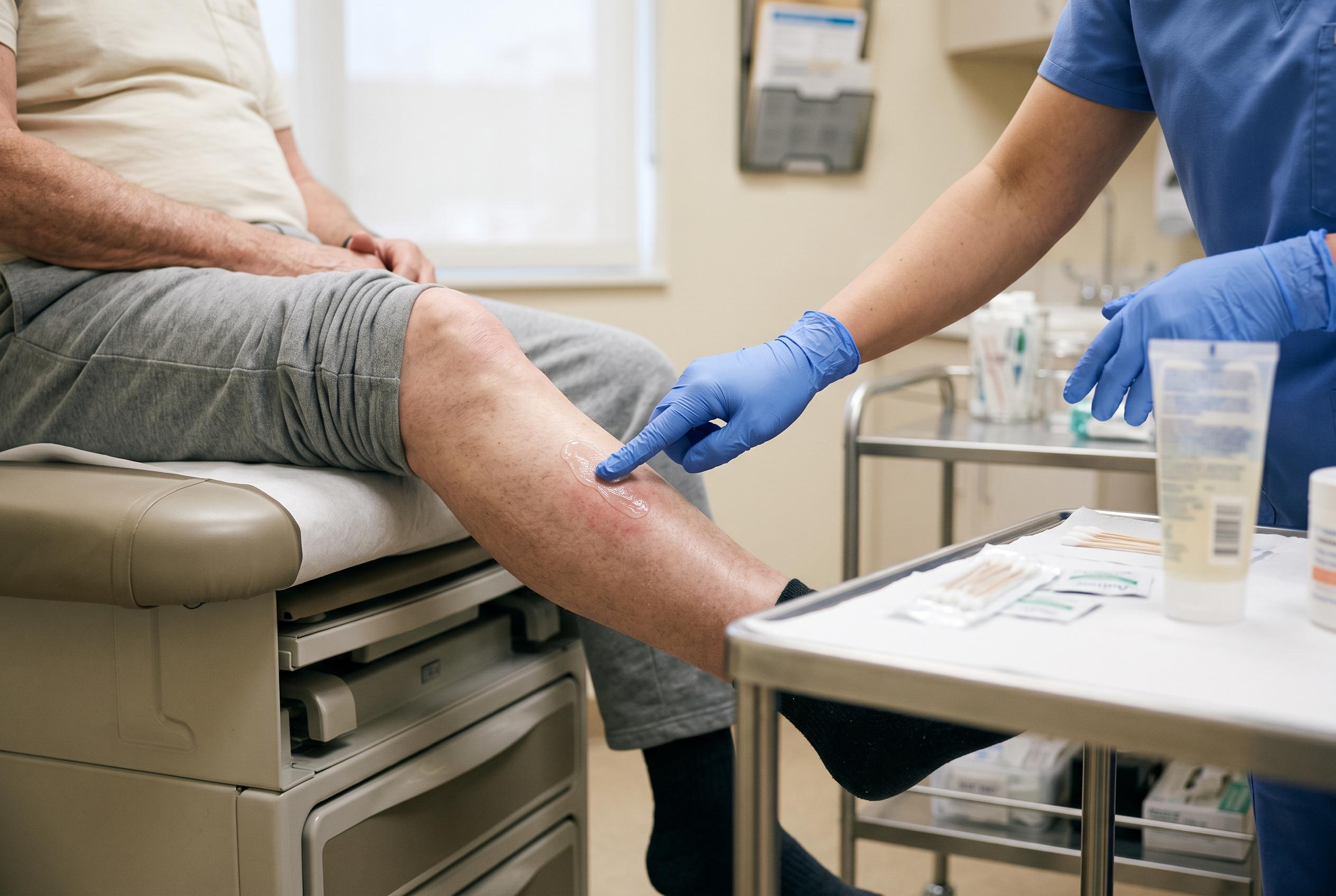

Recce Pharmaceuticals has submitted data from its Phase 3 trial of RECCE 327 Topical Gel to an independent monitoring committee, as an expanded arm compares the treatment with physician-selected antibiotics.
Recce Pharmaceuticals said it has submitted data from its Phase 3 trial of RECCE 327 Topical Gel for diabetic foot infection to an independent data monitoring committee for review, a step that can determine whether the study should continue unchanged, be modified or be stopped. The company said the review follows ongoing recruitment and dosing across the programme as it seeks to build a clinical package for its anti-infective treatment.
The submission comes after Recce secured approval from Australia’s Human Research Ethics Committee for an amendment that added a 208-patient active-controlled arm in diabetic foot infections, according to company updates carried by Yahoo Finance and Proactive Investors. That expansion is designed to compare RECCE 327 directly with physician-selected antibiotics rather than with placebo alone, giving the drug a more direct benchmark against current treatment practice. Recce has said interim analysis is planned once 104 patients in that arm have been enrolled and treated.
The broader trial has also cleared regulatory scrutiny in Indonesia. Middle News reported that the country’s drug and food control agency completed an inspection of one of the Phase 3 sites without finding issues that would block the study’s progress. MedPath similarly reported that the inspection found no problems affecting conduct, data integrity or compliance with Good Clinical Practice, allowing dosing to continue across five sites.
Diabetic foot infection is one of the more serious complications of diabetes, often involving stubborn wound infections that can lead to prolonged hospital treatment or, in severe cases, amputation. Recce is positioning RECCE 327 as part of an international regulatory pathway for treating these infections, with the latest committee review serving as another checkpoint in a process that remains dependent on both safety and efficacy results. Small Caps reported that the Australian arm has been broadened to include patients with mild to moderate infections and ulcers below the knee, widening the potential recruitment pool.
Disclaimer: This content is for informational purposes only and is not intended to be a substitute for professional medical judgment, advice, diagnosis, or treatment.



