

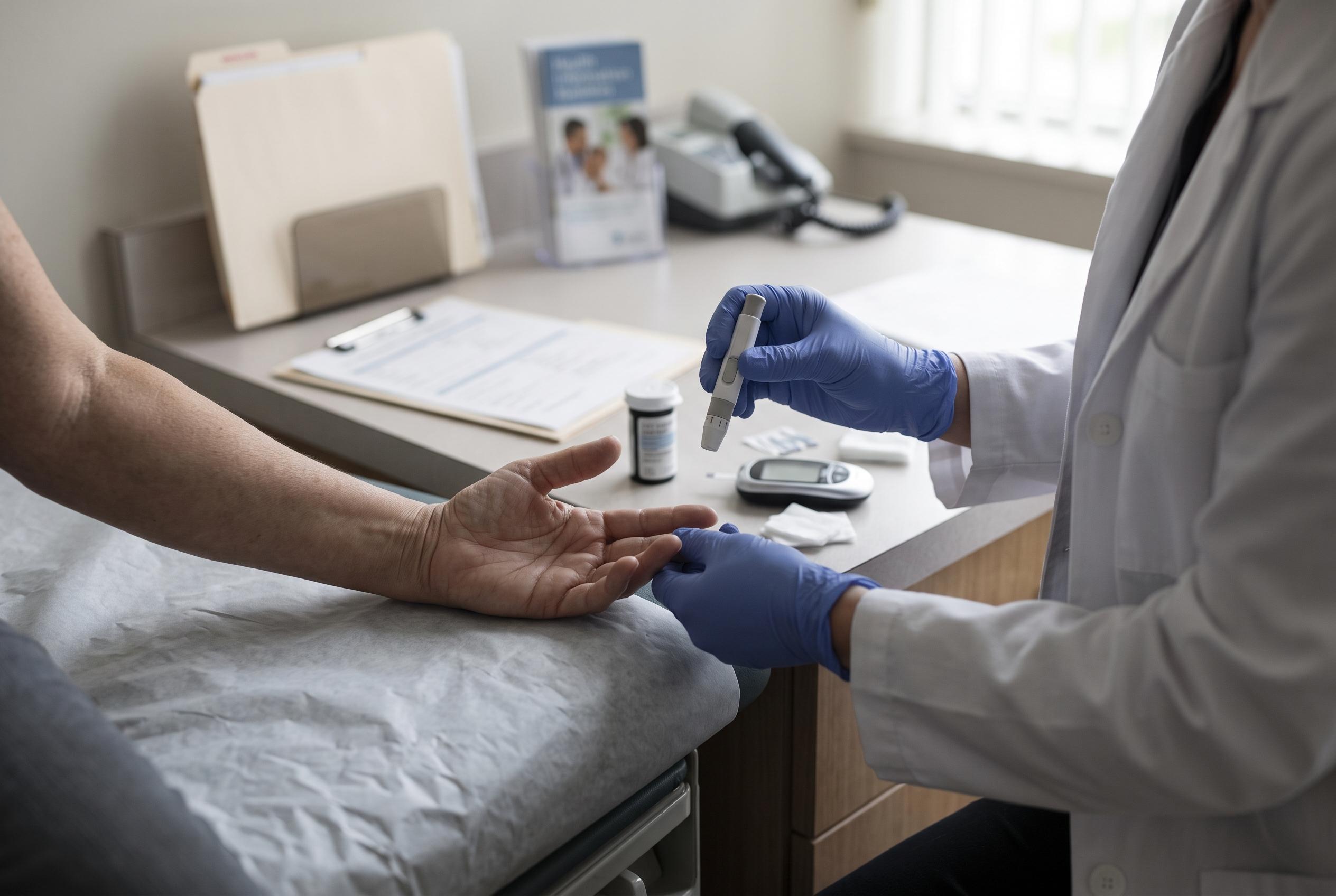

With over 40 million adults living with diabetes in the US, health authorities emphasise the importance of recognising symptoms and timely screening to prevent complications amidst rising prevalence and risk factors.
More than 40 million adults in the United States are living with diabetes, according to the Centers for Disease Control and Prevention, and millions more are at elevated risk. Because the condition often develops slowly, early warning signs can be easy to miss. Persistent thirst, frequent urination, unexplained weight loss and ongoing fatigue are among the symptoms that may point to a problem and should not be dismissed if they continue over time.
The CDC says other possible signs include blurred vision, dry skin, slow-healing cuts and numbness or tingling. Some people may also notice irritability or more frequent infections. A single day of feeling thirsty or tired is not usually enough to raise alarm, but symptoms that recur or linger can be a signal that blood sugar is no longer being regulated properly and merit medical attention.
Risk factors can matter just as much as symptoms. The CDC lists being overweight, having a family history of diabetes, being physically inactive, being 45 or older and having high blood pressure among the factors that can increase the chances of developing the disease. A history of gestational diabetes and a diagnosis of prediabetes also raise risk, making earlier screening more important for some adults.
The CDC recommends routine diabetes screening for adults aged 35 and older, typically during annual visits with a primary care physician. People with risk factors may need testing sooner, and more urgent evaluation is advised if symptoms such as extreme thirst, frequent urination or rapid weight loss appear. Initial testing may include fasting glucose, haemoglobin A1C or an oral glucose tolerance test, and doctors often use the results alongside weight, blood pressure and lifestyle history to confirm a diagnosis and plan follow-up care.
Early detection can make a meaningful difference. The CDC says timely diagnosis allows for better management and can help reduce the risk of complications later on. That may include changes to diet and physical activity, weight loss if needed and, in some cases, medication to help control blood sugar. For people with possible symptoms or a combination of risk factors, the safest step is to arrange an assessment rather than wait for the problem to worsen.
Disclaimer: This content is for informational purposes only and is not intended to be a substitute for professional medical judgment, advice, diagnosis, or treatment.



