

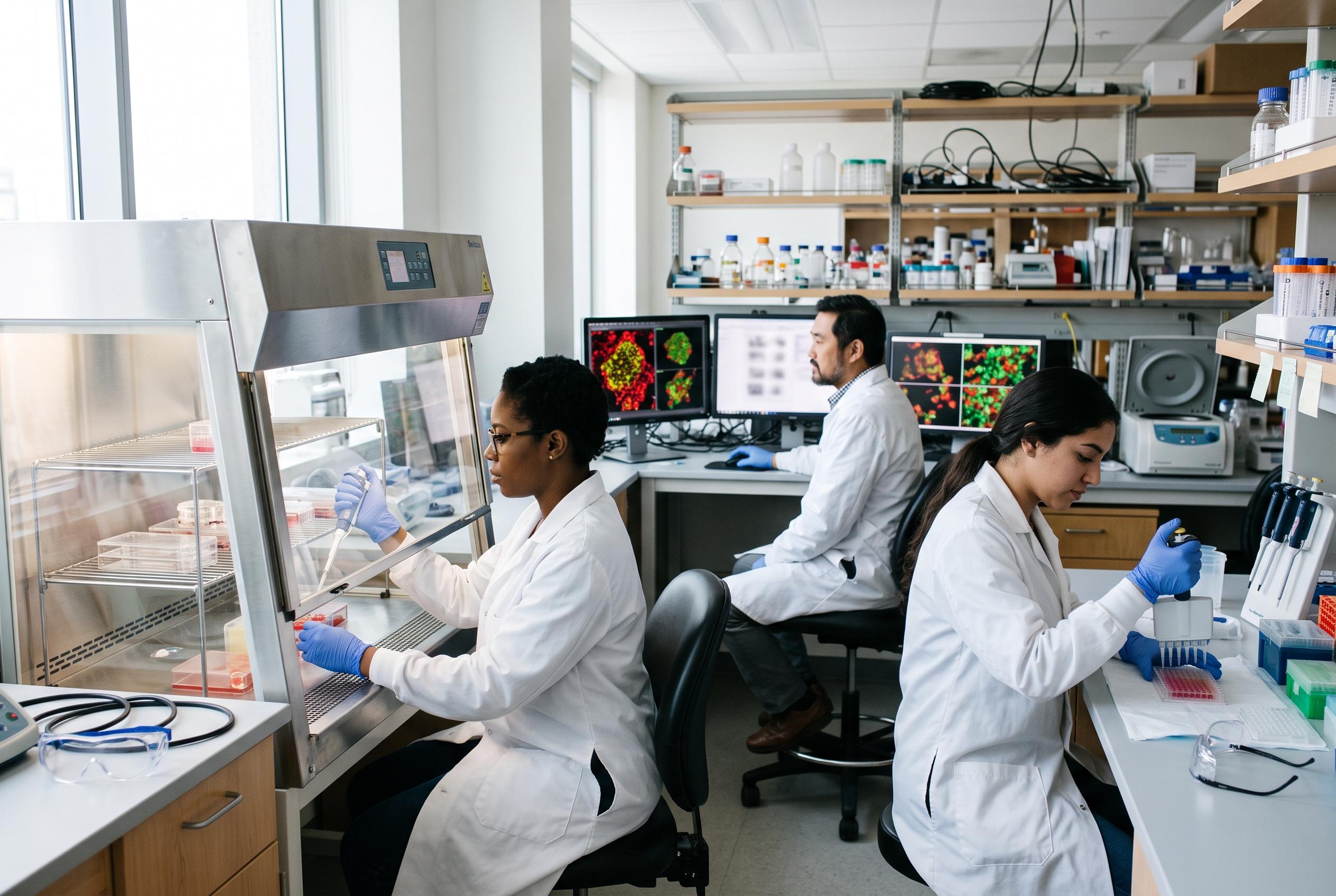

The multimillion-dollar initiative will use artificial intelligence to predict how damaged cells could be converted into replacement tissue, but remains at an early research stage.
The University of Michigan has launched a multimillion-dollar effort with iReprogram to develop cell-reprogramming tools that it says could eventually help treat diabetes by replacing damaged cells rather than merely managing symptoms. The project, called the Michigan Initiative to Reprogram Cells for Diabetes, is being backed by the university’s Strategic Initiative Fund and brings together researchers from multiple disciplines, according to the university. (looktomichigan.umich.edu)
University officials say the work will combine mathematics, biology and computer science to refine an artificial intelligence-driven system that predicts the timing, dosage and transcription-factor combinations needed to convert one cell type into another. The initiative is also expected to test the approach across several diabetes-related cell types, including pancreatic beta cells, while extending validation work to tissues linked to kidney, cardiovascular, retinal and fibrotic disease, the university said. (looktomichigan.umich.edu)
Ganesh S. Palapattu, the University of Michigan’s interim executive vice president for medical affairs, said in the announcement that diabetes medicine has historically focused on control rather than repair, and that direct cell reprogramming offers a route to address the condition at its source. He said the public university’s aim is to turn the science into practical therapies, starting with diabetes and potentially extending the approach to other chronic diseases. (medschool.umich.edu)
The project also builds on earlier work at Michigan on direct cell reprogramming and related regenerative medicine research. University materials describe iReprogram as a spin-out founded around computational methods for cellular reprogramming, while Michigan research teams have already explored related applications in tissue repair and disease modelling. Even so, the new initiative remains at an early stage, with the university describing it as a platform to predict and validate cell-conversion workflows rather than as a finished treatment. (innovationpartnerships.umich.edu)
Disclaimer: This content is for informational purposes only and is not intended to be a substitute for professional medical judgment, advice, diagnosis, or treatment.



