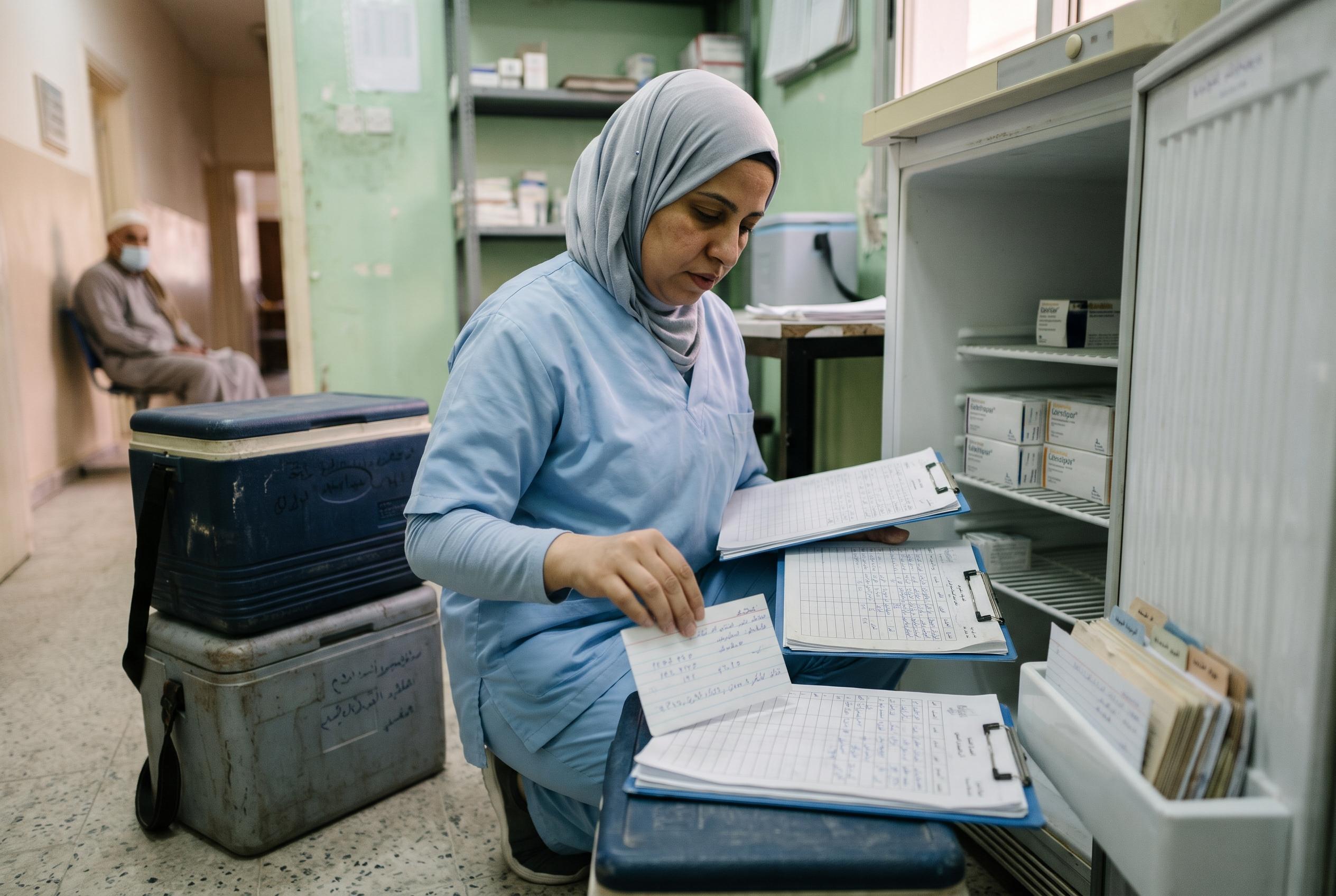

The Medical Supply Agency says delayed deliveries stem from problems across forecasting, funding, procurement and distribution, while raising questions about patient registration on the electronic dispensing system.
Libya’s Medical Supply Agency has pushed back against criticism over delayed insulin deliveries, saying the shortage cannot be traced to one institution alone and instead reflects a chain of failures spanning demand forecasting, finance, regulation, contracting and distribution. In a statement carried by local media, the agency said insulin is a life-saving priority and argued that responsibility must be assessed stage by stage, rather than through what it described as selective public blame. The row comes as the National Diabetes Authority and the supply agency continue to manage incoming shipments intended to stabilise treatment for patients across the country.
According to the agency, the process of bringing in insulin does not end with contract award. It said the route runs through needs assessment, financial cover, regulatory approvals, manufacturing, inspection, shipping, customs clearance, storage and final distribution, with different bodies responsible at each point. The agency also said it had repeatedly asked why estimated requirements for 2025, which formed the basis of 2026 procurement, were reportedly cut to half the level of 2024, and why some supplies were allocated unevenly between long-acting and short-acting products. It raised similar concerns about whether procurement specifications were written so narrowly that they effectively favoured specific commercial products.
The dispute has sharpened around Libya’s electronic insulin dispensing system. The supply agency questioned why registration on the platform was made a condition for receiving medicine, why enrolment began only after shipments started arriving, and whether the system was secure enough to hold sensitive patient data. Those concerns echo earlier public health planning in August 2025, when the health ministry presented the platform as a national tool linked to identity numbers, designed to prevent duplicate dispensing, improve tracking and reduce diversion of medicines. The National Diabetes Authority has since said insulin would be distributed exclusively through the electronic system, with registered patients required to undergo regular examinations so doses can be monitored.
The agency said it had not stood aside from the crisis, pointing to a series of steps it says it has already taken, including checking whether requests were feasible, flagging distribution imbalances, following up on corrections to long-acting insulin paperwork, and pressing for additional financial cover and procurement approvals. It also called for a joint mechanism involving all relevant bodies to review contracts and inventories, improve forecasting, and create a strategic reserve of diabetes medicines. Similar themes have been raised in broader assessments of Libya’s pharmaceutical system, including a World Bank review that described weak information systems, stock-management problems and financing constraints across the supply chain.
The latest comments come after the first insulin shipments reached Mitiga International Airport on 11 October, when the National Diabetes Authority said the medicine had been supplied by Eli Lilly with the help of the Medical Supply Agency to meet patient needs and keep treatment flowing. On 30 October, the authority said three successive batches had arrived and more were being prepared for dispatch. Even so, the agency’s statement shows that the logistics of delivery remain only one part of a wider struggle: ensuring that patients across Libya can actually receive insulin on time, in the right quantity and through a system that both institutions regard as workable.
Disclaimer: This content is for informational purposes only and is not intended to be a substitute for professional medical judgment, advice, diagnosis, or treatment.