

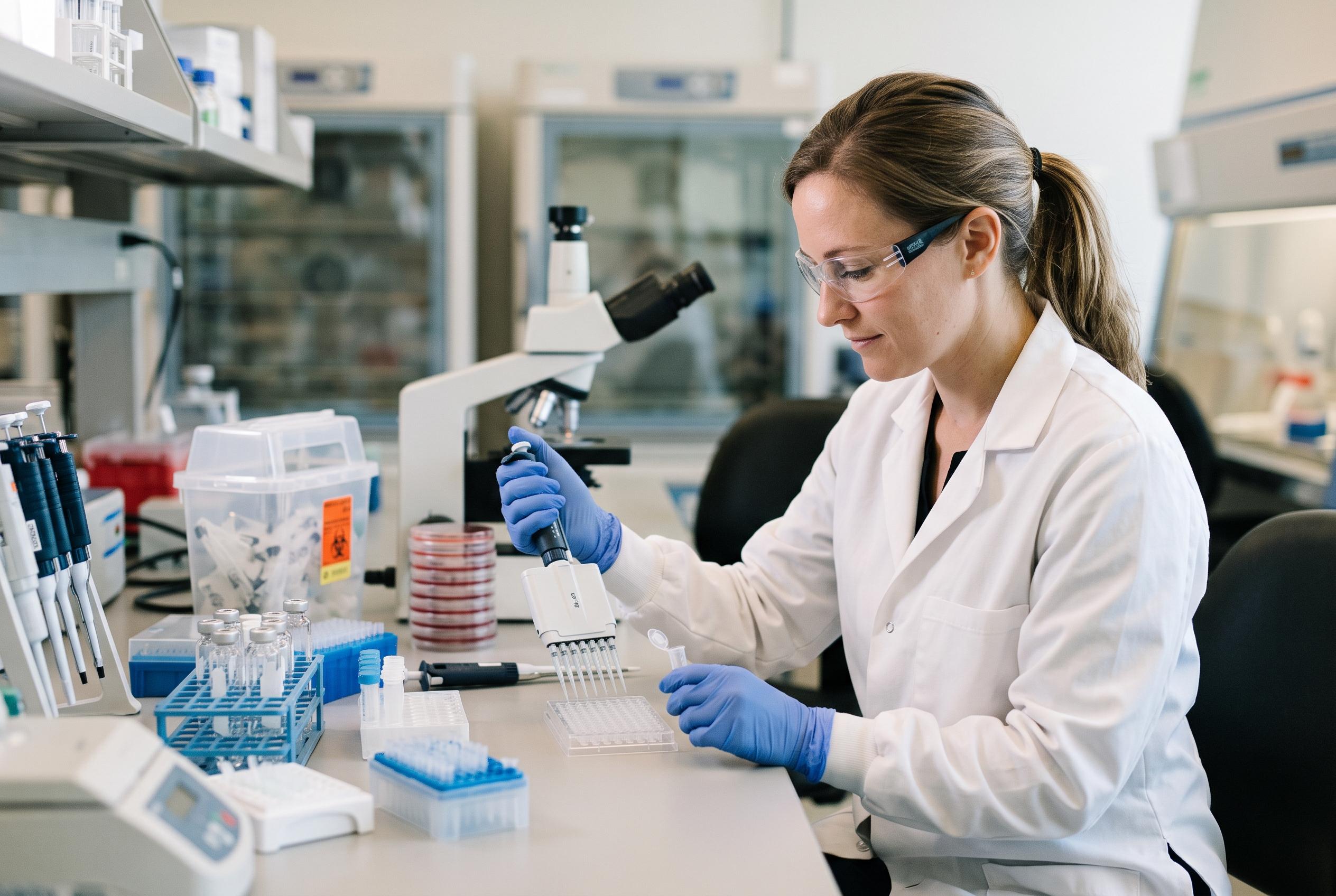

Jessie Barra has received the prestigious NIH K99/R00 award to study immune cell survival in type 1 diabetes, focusing on innovative human-cell system approaches to understand how harmful immune cells escape elimination and contribute to disease development.
Jessie Barra has received a National Institutes of Health Pathway to Independence Award, a grant designed to help promising postdoctoral scientists move into independent faculty roles. The University of Florida Diabetes Institute said the award will support Barra’s research on type 1 diabetes, a disease in which the immune system mistakenly attacks the insulin-producing beta cells in the pancreas. The NIH says the K99/R00 scheme provides a mentored postdoctoral phase, followed by independent research support once the researcher secures a qualifying faculty post.
Barra’s project focuses on a central puzzle in type 1 diabetes: why some autoreactive T cells, which should be removed during immune development, are able to survive and later contribute to beta-cell destruction. In work described by the University of Florida, Barra plans to use stem cell-derived human thymic organoids to study how these cells are eliminated, diverted into regulatory T cells that help restrain immune activity, or allowed to escape the thymus altogether. The approach is intended to test those processes in human-cell systems, which Barra said could open up questions that have been difficult to answer in the past.
The NIH Pathway to Independence Award is aimed at researchers making the transition from mentored training to independent careers, and the programme generally runs for up to five years across its two stages. NIH guidance says applicants are expected to be in postdoctoral training and are usually encouraged to apply by the third year of that period. For Barra, the award offers both a career milestone and a practical route to build a research programme centred on prevention, rather than only treatment, of type 1 diabetes. Barra said the long-term aim is to identify ways to remove or redirect harmful immune cells and, potentially, strengthen protective regulatory T cell populations that could help preserve beta cells.
Disclaimer: This content is for informational purposes only and is not intended to be a substitute for professional medical judgment, advice, diagnosis, or treatment.



