

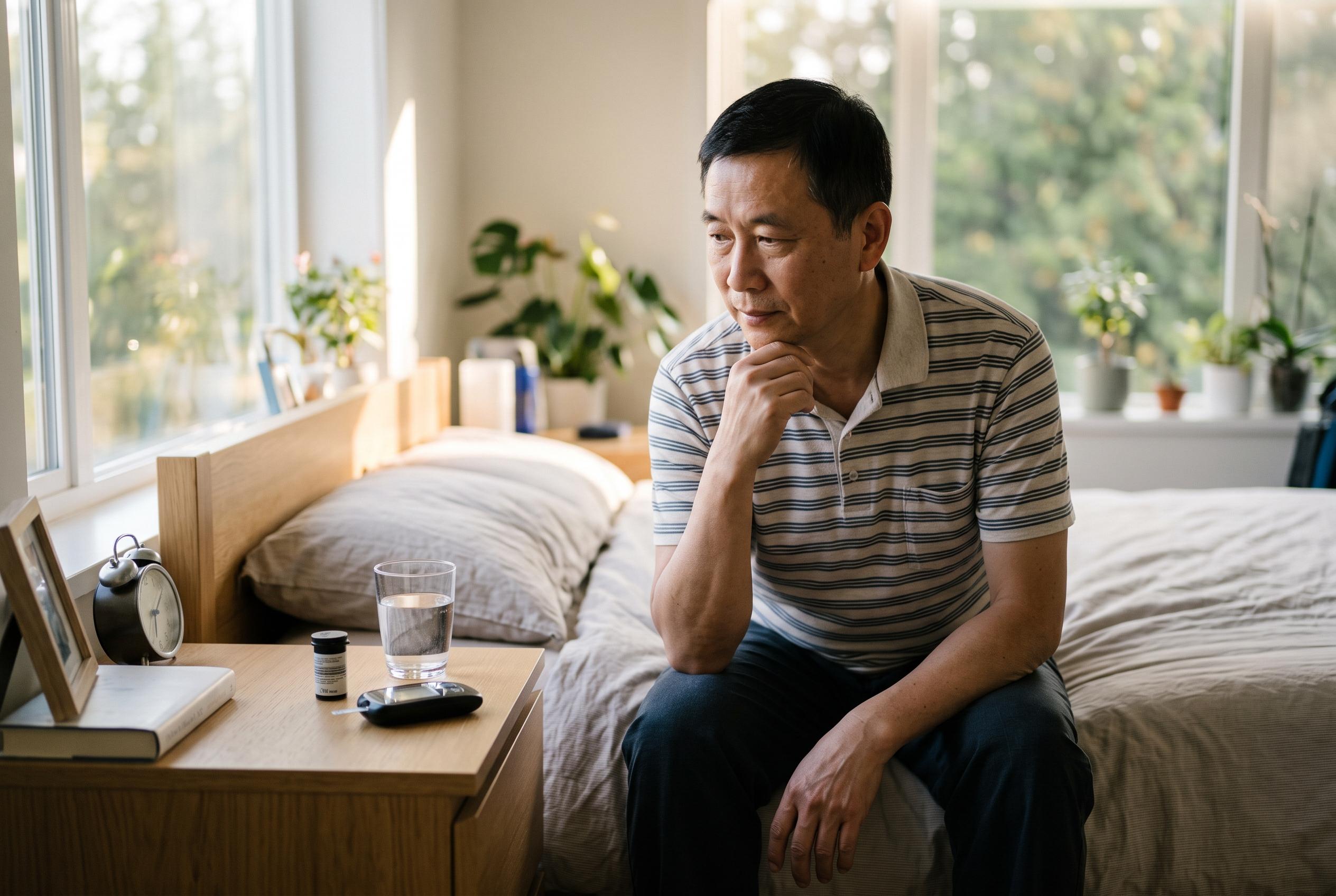

A six-year study of Japanese outpatients found that the risk of diabetic kidney disease increased with longer sleep, although the research does not show that sleep causes kidney damage.
A study from Juntendo University in Tokyo has found that longer sleep may be linked to a greater risk of diabetic kidney disease in people with type 2 diabetes. The research, led by Fuki Ikeda and published in the Journal of the Endocrine Society, followed 678 Japanese outpatients aged 25 to 70 over an average of about six years and assessed lifestyle factors alongside disease progression. During that period, 215 participants reached the study’s composite kidney endpoint, with sleep duration emerging as the only lifestyle measure clearly tied to the outcome.
According to the paper, the risk rose in step with sleep length when compared with people who slept less than six hours a night, and was highest among those reporting eight hours or more. The association remained statistically significant after adjustment for major diabetes-related and lifestyle variables, suggesting the link was not explained by the usual confounders researchers considered. The effect also appeared stronger in older participants and in those who already had microalbuminuria, a warning sign of early kidney damage, or reduced kidney function.
The Endocrine Society said the findings may help clinicians identify people with diabetes who need closer kidney monitoring, although the study does not prove that sleeping longer causes kidney disease. Diabetic nephropathy is a common and serious complication of diabetes, affecting an estimated 30% to 40% of people with the condition, and earlier research has also suggested that both short and long sleep may be associated with poorer kidney outcomes in some populations. Taken together, the evidence points to sleep duration as a potentially useful marker in diabetes care, even if more work is needed to understand whether it plays a direct role in kidney decline.
Disclaimer: This content is for informational purposes only and is not intended to be a substitute for professional medical judgment, advice, diagnosis, or treatment.



