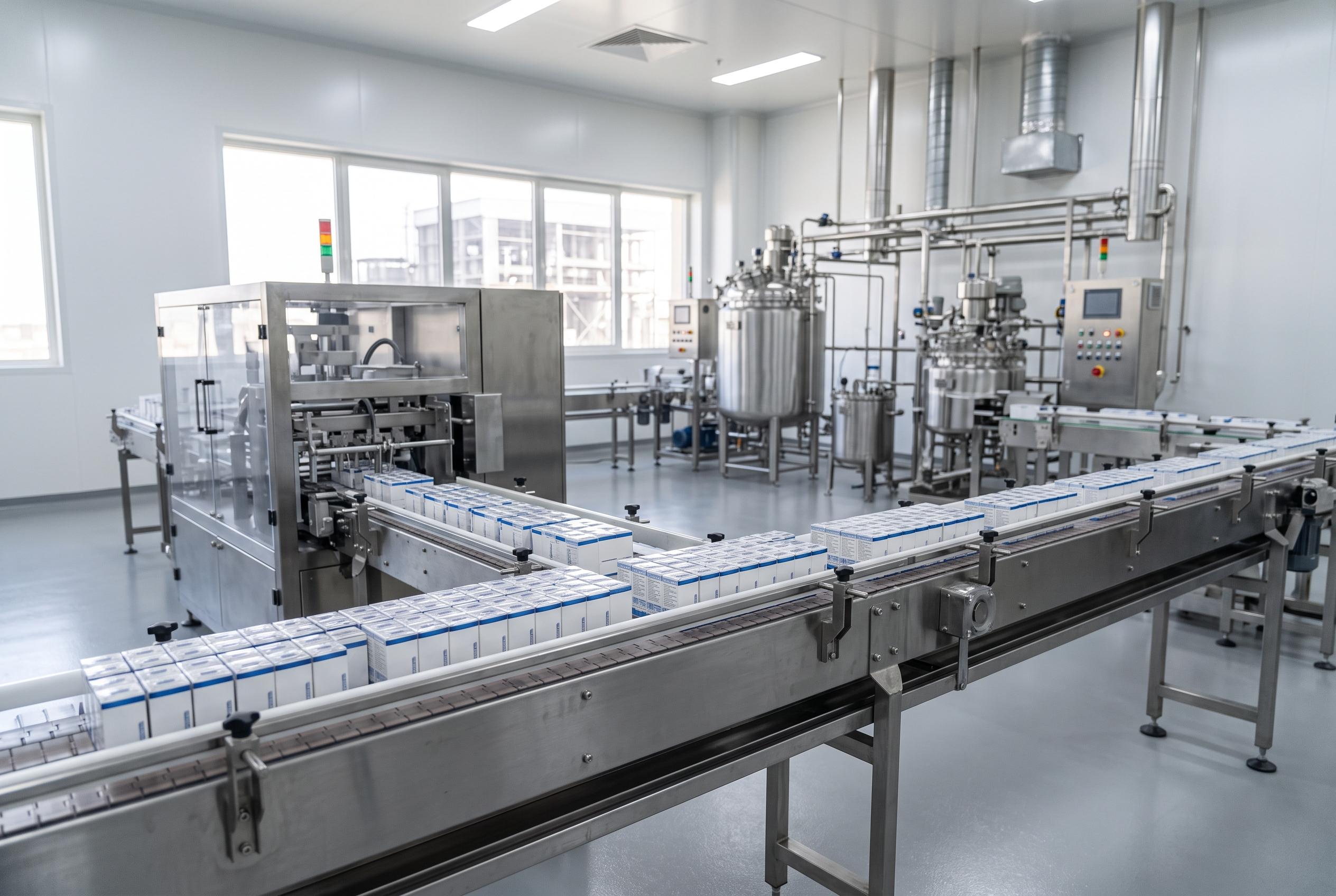

Egypt’s growing diabetes prevalence is driving a push to expand local insulin manufacturing, aiming to reduce reliance on imports while meeting increasing demand in one of the world’s most affected countries.
Egypt’s rising diabetes burden is putting sustained pressure on the insulin market, even as the state pushes to expand domestic manufacturing and reduce reliance on imports, especially for medicines that already have local substitutes.
The International Diabetes Federation said Egypt had 13.21 million adults living with diabetes in 2024, out of an adult population of 66.6 million, giving the country a prevalence rate of 22.4%. That places Egypt among the countries with the world’s largest diabetes caseloads, although the figure does not mean every patient needs insulin, since treatment depends on the type of diabetes and the individual’s condition.
Health Minister Khaled Abdel Ghaffar has said Egypt has 3 local insulin factories and that domestic output is enough to cover demand. A separate statement from the Egyptian Drug Authority said local products are reviewed and regulated before reaching the market, and that domestic insulin can match imported versions in quality under approved regulatory standards.
Company and regulatory data also suggest the local industry has room to meet demand. The Egyptian Drug Authority said the Medical Professions Company’s insulin plant has annual capacity of about 18 million vials, while official estimates in 2024 put market and state procurement needs at roughly 13 million vials a year. Abdel Ghaffar said in March 2026 that local production covers about 91% of Egypt’s insulin needs, leaving about 9% to imports. He has argued that imported insulin should be limited to cases where no local alternative exists, framing the issue as part of a broader effort to preserve foreign currency and deepen pharmaceutical self-sufficiency.
Disclaimer: This content is for informational purposes only and is not intended to be a substitute for professional medical judgment, advice, diagnosis, or treatment.