

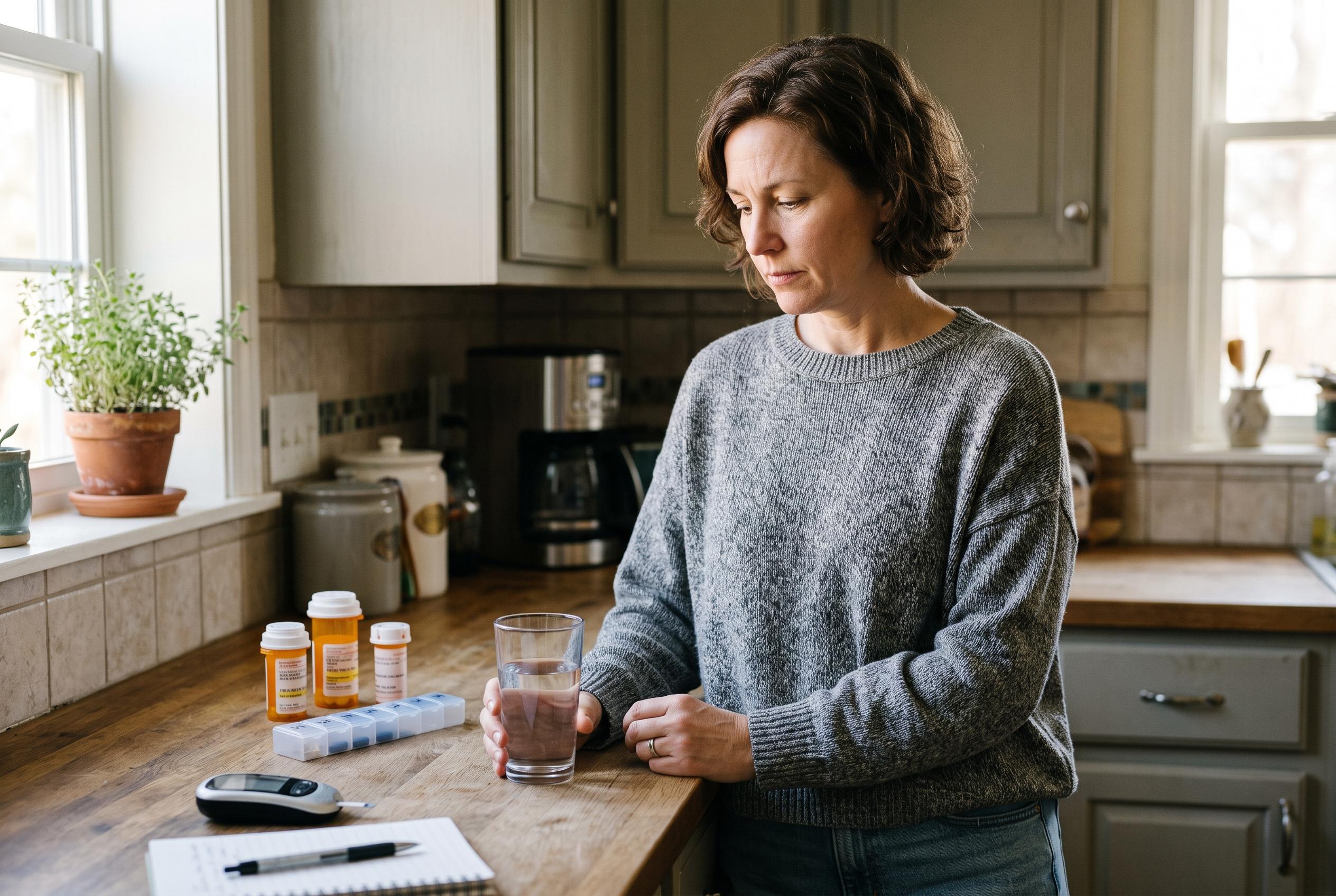

Specialists say taking GLP-1 drugs for a wedding or other event can cause muscle loss, nutritional deficiencies and severe side effects when treatment is not medically supervised.
GLP-1 medicines have become one of the most talked-about tools in modern metabolic care, but doctors say they are being used too casually by people who do not need them. According to Prof Alina Kuryłowicz, a specialist in obesity medicine quoted by Gazeta Prawna, these drugs are not beauty treatments like botulinum toxin or hyaluronic acid. They are prescribed for clear medical reasons, most often type 2 diabetes and obesity, where they can improve appetite control, lower blood sugar and support weight loss. Medical references from Yale Medicine, MedlinePlus and Harvard Health describe the same class of drugs as GLP-1 receptor agonists that mimic a natural hormone involved in insulin release and appetite regulation, while warning that they should be used under medical supervision.
Kuryłowicz argues that the biggest mistake is treating these medicines as a quick fix for a wedding, gala or other short-term event. In her view, taking them without a medical indication can push the body into an artificial state of fasting, with some people dropping to extremely low calorie intake and losing not just fat but also muscle. That matters because muscle helps sustain metabolism and protects against rebound weight gain. A recent review indexed by the National Library of Medicine similarly warns that cosmetic misuse of GLP-1 medicines can lead to nutritional deficits and muscle loss. Harvard Health also notes the well-known effect often called “Ozempic face”, in which rapid weight loss can leave the face looking gaunt or sagging.
She says the body can also adapt in ways that make later weight regain more likely. If a person uses semaglutide or a similar drug briefly, loses weight quickly and then stops, appetite may return sharply and the body may appear primed to store energy again. Kuryłowicz says this is why treatment of obesity should be gradual and built around lasting changes in eating and activity, ideally with support from a wider team that includes a dietitian, physiotherapist and psychologist. That approach matches guidance from major medical sources, which stress careful dose escalation and ongoing monitoring, rather than unsupervised use or abrupt changes.
The other major problem is side effects, which are far more common than the dramatic complications often discussed online. Yale Medicine, MedlinePlus and Harvard Health all list nausea, vomiting, diarrhoea and constipation among the most frequent adverse effects. More serious problems such as pancreatitis and gallbladder disease are rarer but are recognised risks. Kuryłowicz says patients who start at too high a dose, or obtain the drugs outside proper care, may end up dehydrated and needing hospital treatment. She adds that many of the pancreatitis cases seen in practice are tied to poor diet and a return to highly processed, fatty food, rather than to the medicine alone. Her broader message is that GLP-1 drugs can be highly effective, but only when they are treated as long-term medical therapy, not a cosmetic shortcut.
Disclaimer: This content is for informational purposes only and is not intended to be a substitute for professional medical judgment, advice, diagnosis, or treatment.



