

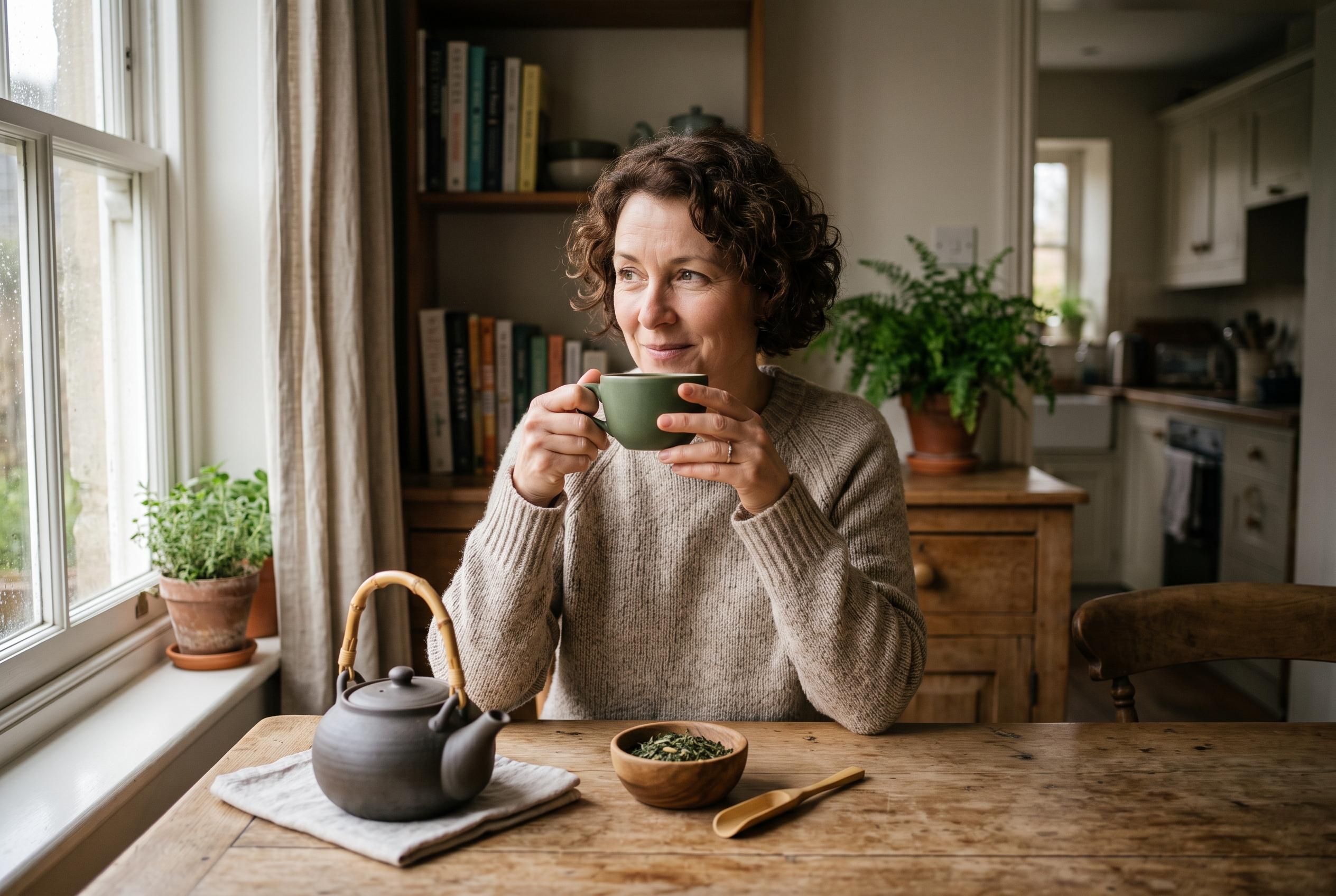

Research suggests unsweetened green tea may modestly improve insulin sensitivity and reduce fasting blood glucose, while several herbal varieties could offer additional benefits alongside treatment and a balanced lifestyle.
Tea may do more than provide a comforting ritual: some unsweetened varieties can support steadier blood sugar, largely because of their antioxidant content, according to Verywell Health. In the article, health writer Carrie Madormo says the drinks most often linked with better glucose control include green tea, black tea, hibiscus, cinnamon, turmeric, lemon balm, chamomile and ginger tea. The basic message is simple enough: if tea is used as part of a balanced diet, it may offer a modest assist for people already managing high blood sugar and for those trying to lower their future diabetes risk.
Green tea appears to have the strongest evidence. Healthline notes that it contains catechins, including epigallocatechin gallate, or EGCG, which may improve insulin sensitivity and help cells take up glucose. A meta-analysis indexed by PubMed, which reviewed 17 randomised controlled trials, found that green tea consumption significantly reduced fasting blood glucose and improved insulin sensitivity. Verywell Health also points to research suggesting that drinking at least four cups a day may be needed to see meaningful benefit, although that does not mean tea should be treated as a substitute for prescribed treatment.
Black tea is also on the list, though the evidence is less consistent. Healthline says it may help regulate post-meal blood sugar, and a study published in Antioxidants found that regular consumption of black or green tea could be associated with a lower risk of diabetes. Another randomised crossover trial indexed by PubMed found that both low and high doses of black tea reduced blood glucose rises after sucrose intake in people who were normal or pre-diabetic. That said, the overall research base is thinner than it is for green tea, so black tea is best seen as a supportive habit rather than a stand-alone strategy.
The same broad caution applies to the herbal options. Verywell Health says hibiscus may help lower blood pressure and improve insulin sensitivity, while cinnamon tea is linked with smaller glucose spikes. Turmeric, lemon balm, chamomile and ginger are also described as potentially useful, especially because several of them have anti-inflammatory properties. Healthline adds an important practical note: these teas should be unsweetened, and people taking diabetes medicines should be careful, since some herbal products can interact with treatment. In short, tea can be a sensible addition to a blood-sugar-conscious routine, but it works best alongside diet, exercise and medical advice.
Disclaimer: This content is for informational purposes only and is not intended to be a substitute for professional medical judgment, advice, diagnosis, or treatment.



