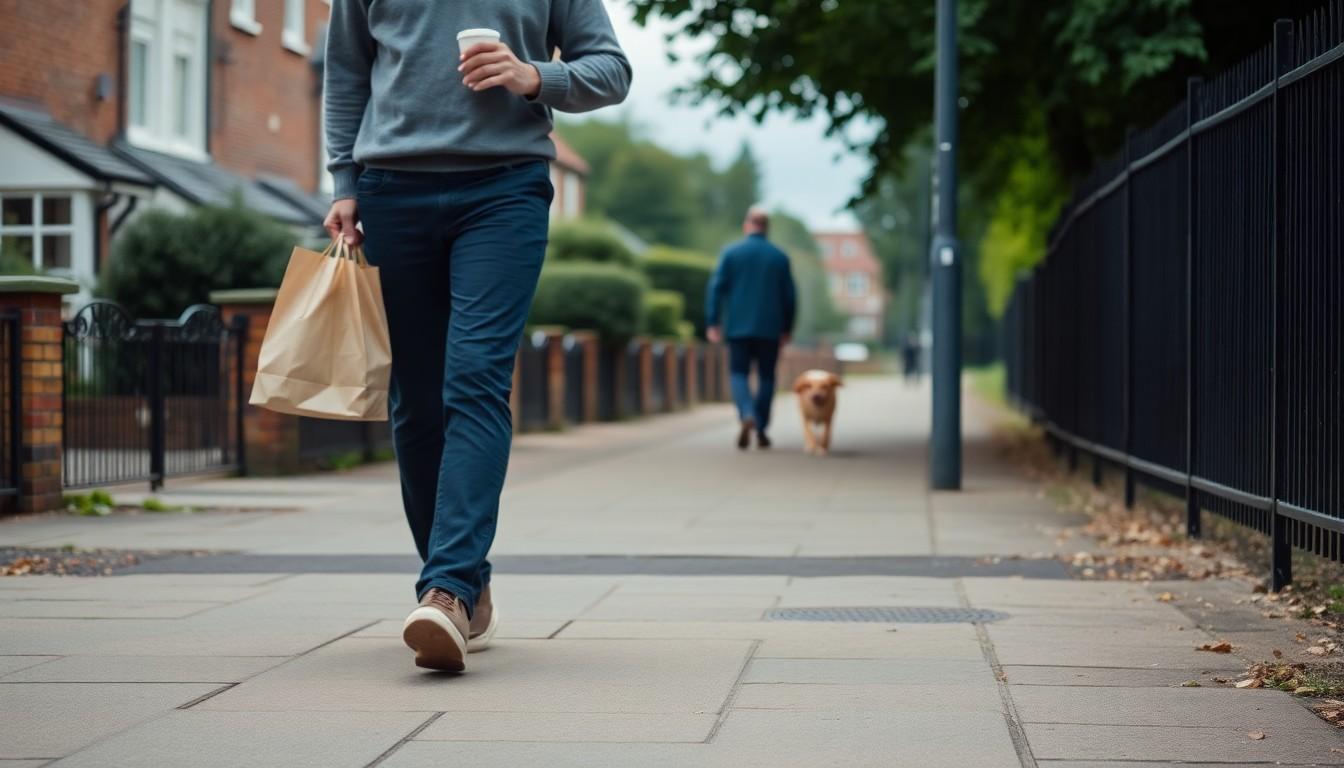

Research from the University of Birmingham reveals that engaging in light activity immediately after eating significantly reduces blood sugar spikes, highlighting the importance of timing in post-meal exercise.
A University of Birmingham trial suggests that, when it comes to controlling the rise in blood sugar after eating, timing may matter more than many people realise. In a randomised study of 48 healthy adults, the researchers compared standing, brisk walking and a short bodyweight circuit before breakfast, immediately afterwards and 30 minutes later. The clearest benefit came only when movement began straight after the meal, with no meaningful improvement when the same activity was done beforehand or after a short delay, according to the university’s publication and the trial record.
The study focused on post-meal, or postprandial, glucose because those rises contribute heavily to longer-term blood sugar measures and, over time, to cardiometabolic risk. The Birmingham team used a 500-calorie breakfast and continuous glucose monitoring to track the response over two hours, allowing them to compare the three activity types under closely controlled conditions.
Across the board, the pattern was consistent: immediate post-breakfast movement improved glycaemic control, while pre-meal exercise and activity delayed by 30 minutes did not. Walking and the brief bodyweight sequence produced the strongest effects, but even standing after eating appeared to help to a smaller degree, reinforcing the idea that getting upright and active right away can blunt the glucose surge.
The findings fit with earlier research suggesting that activity is most useful when it overlaps with the period in which glucose is entering the bloodstream. A separate paper in Nutrients reported that low-intensity activity started at, or near, the peak of post-meal blood glucose reduced concentrations more effectively than the same movement done earlier. That broader body of work points in the same direction: the closer the activity is to the meal, the better the short-term effect on blood sugar.
There are, however, limits to how far the result can be generalised. The Birmingham trial involved healthy adults rather than people with diabetes, tested breakfast rather than lunch or dinner, and used a liquid meal that is absorbed more quickly than a solid plate of food. Even so, the study was designed as a randomised controlled trial and was registered in advance, giving the findings added weight.
For most readers, the practical message is straightforward: if the goal is to soften the blood sugar spike from a meal, it is better to move straight after eating than to wait. A short walk, a few bodyweight exercises or simply standing rather than sitting may all help. That makes post-meal movement one of the rare health interventions that depends less on doing more and more on doing it at the right moment.
Disclaimer: This content is for informational purposes only and is not intended to be a substitute for professional medical judgment, advice, diagnosis, or treatment.