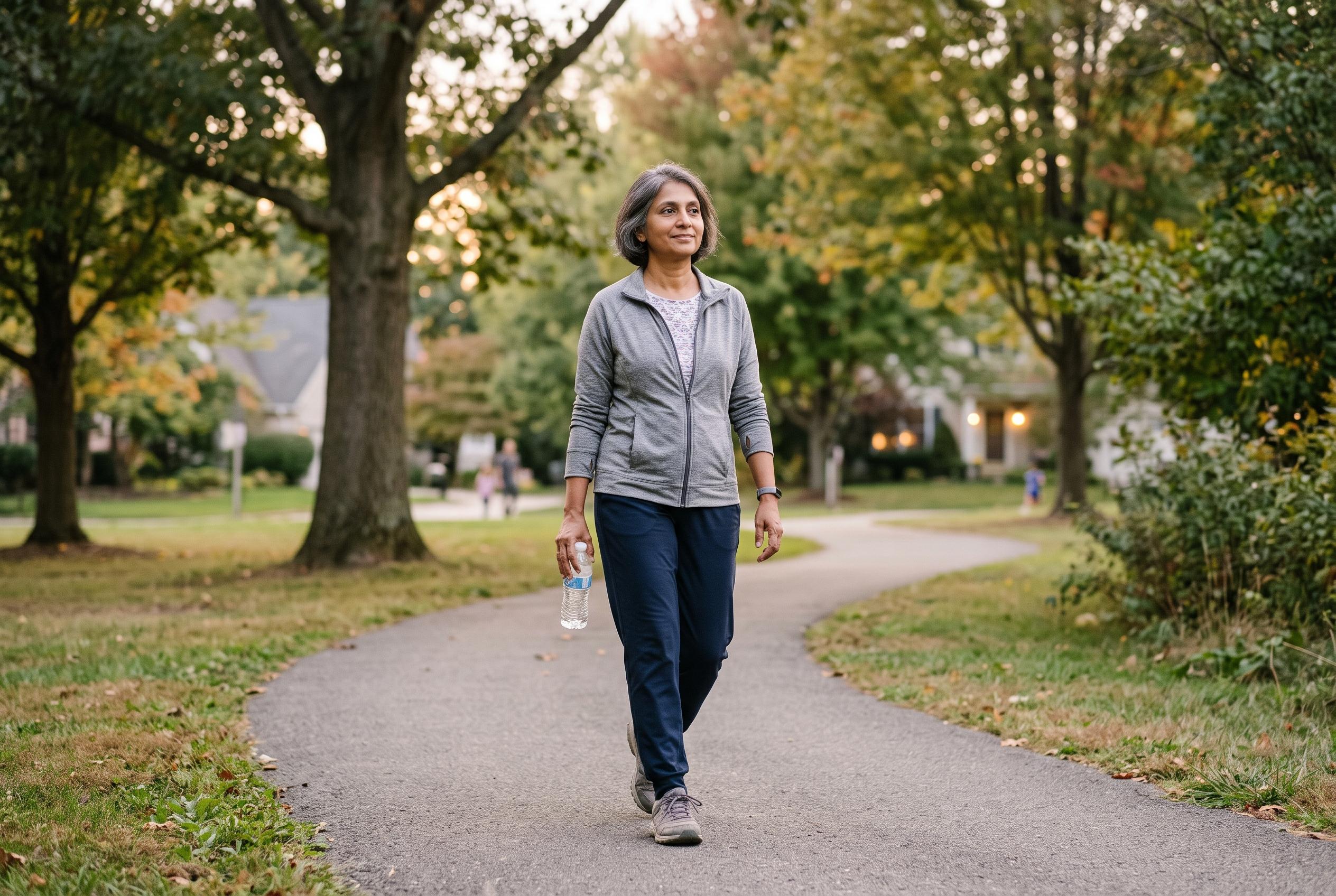

Morning walks may help counter the dawn phenomenon, while a 10-minute stroll after dinner can reduce post-meal glucose spikes , but medication, sleep and individual blood sugar patterns matter.
The best time to walk for blood sugar control depends less on the clock and more on how the body responds to food, hormones and routine. According to Verywell Health, research suggests that both morning and evening walks can be useful, but each may help in different ways depending on whether a person tends to wake with higher glucose levels or sees sharper rises after meals.
A morning walk may be especially helpful for people who experience the so-called dawn phenomenon, when blood sugar rises in the early hours because hormonal changes prompt the liver to release glucose before the day begins. In people with diabetes, that rise can be harder to counter because the body may not produce enough insulin to keep glucose in check. Cleveland Clinic notes that moderate aerobic exercise before breakfast may help blunt that morning increase, and a regular early walk can also be easier to maintain for people with busy schedules.
An evening stroll, by contrast, may be more effective for those whose blood sugar climbs after dinner or other carbohydrate-heavy meals. Cleveland Clinic says even a short walk after eating can help muscles use glucose as fuel, reducing post-meal spikes. Verywell Health and other health guides also point to evidence that a 10-minute walk after a meal can be enough to make a meaningful difference. Still, late exercise is not ideal for everyone: if it disrupts sleep or raises the risk of overnight hypoglycaemia, particularly in people with type 1 diabetes or those using insulin, an earlier walk may be the safer option.
Health experts say there is no universal answer. The most practical choice is the one that fits a person’s blood sugar pattern, medication schedule and daily routine, while still allowing regular exercise to become a habit. If possible, blood sugar should be monitored around exercise to understand individual responses, and any major change in activity should be discussed with a doctor, especially for people taking glucose-lowering medicines.
Disclaimer: This content is for informational purposes only and is not intended to be a substitute for professional medical judgment, advice, diagnosis, or treatment.