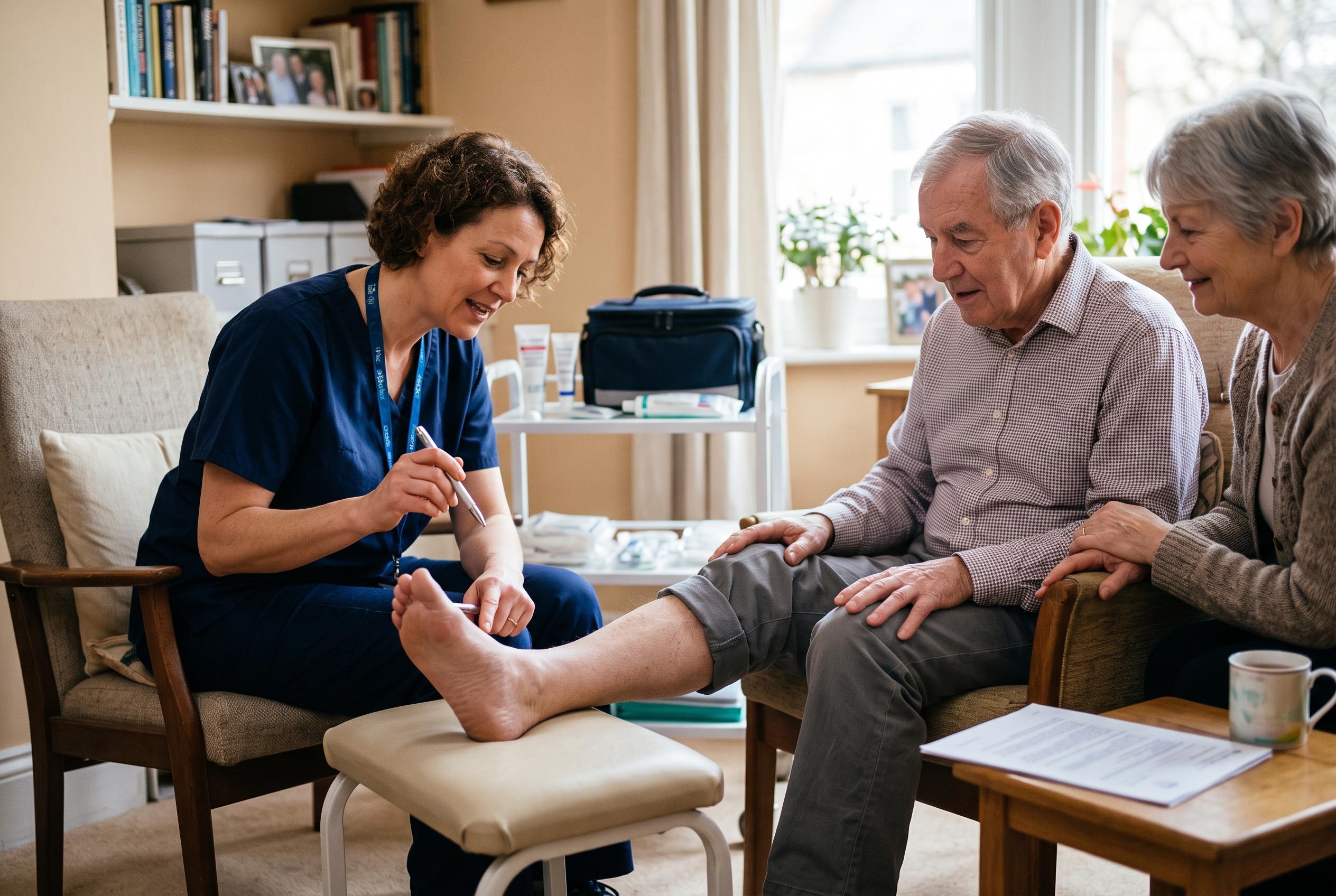

A podiatrist advocates for a paradigm change in diabetic foot management, emphasising behaviour, support, and shared decision-making to improve outcomes and quality of life amid high amputation rates in the US.
Diabetic foot care is increasingly being framed as a problem of behaviour, support and follow-up, not just dressings and devices. In a piece for LER Magazine, podiatrist Windy Cole argues that the scale of the challenge demands a shift from reactive treatment to patient activation, especially as the United States continues to record about 150,000 non-traumatic lower-extremity amputations a year, according to a recent JAMA Surgery article.
Cole’s central point is that many patients arrive with a heavy burden of illness before a wound is even treated. She describes clinic populations with multiple co-existing conditions and complex medication regimens, a picture that aligns with the broader literature on diabetic foot disease, where healing is often slowed by vascular disease, infection, neuropathy and other complications. The result is a treatment environment in which clinical technology alone rarely delivers the improvement clinicians hope for.
The article also stresses the human cost of chronic wounds. Odour, drainage and persistent pain can make people withdraw from worship, family life and ordinary social activity, while disrupted sleep and reduced mobility can deepen isolation. That emphasis on quality of life is important because the aim of limb preservation is not simply closure of an ulcer, but the restoration of function, dignity and independence.
Cole further argues that caregivers are part of the care equation. Spouses, children and neighbours often carry much of the daily burden, and their exhaustion can undermine the plan once a patient leaves the clinic. That concern is consistent with broader efforts in diabetic foot care, including patient navigator programmes reported in Diabetes, which are designed to improve continuity after discharge and reduce the risk of avoidable deterioration.
Evidence cited in the article suggests that engagement may work better than information alone. A small study at the Cleveland Foot & Ankle Clinic found that a structured self-care programme improved symptoms such as itching and pain over 14 days, reinforcing the idea that patients need practical tools and accountability, not just advice. Cole closes with a call for shared decision-making: if clinicians want better adherence, they must treat patients as partners in care rather than passive recipients.
Disclaimer: This content is for informational purposes only and is not intended to be a substitute for professional medical judgment, advice, diagnosis, or treatment.