

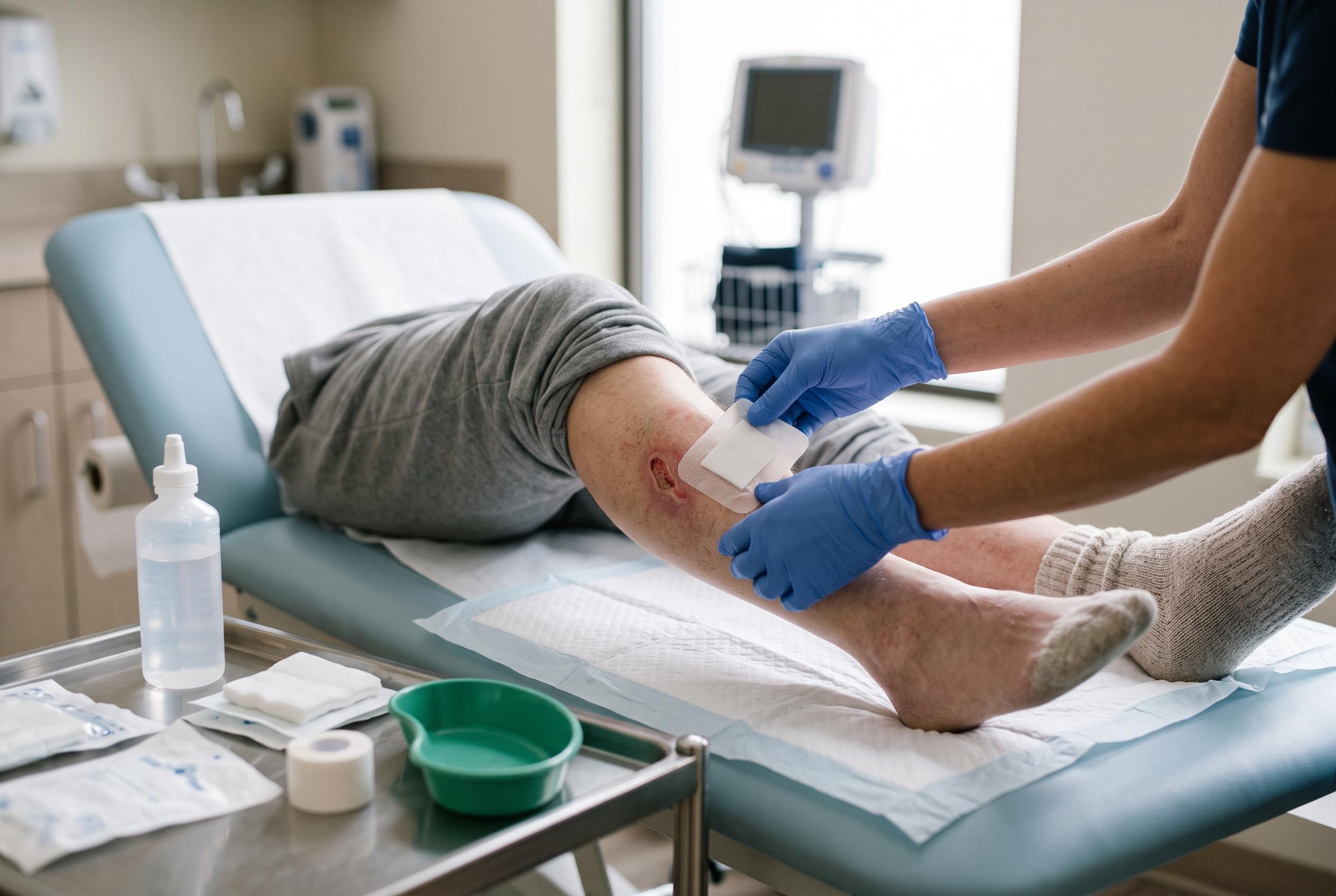

New research indicates that naturally occurring peptides apelin and ELABELA may accelerate blood vessel growth, reduce inflammation, and enhance skin repair in diabetic wounds, offering potential for innovative treatments pending further trials.
A study published in Scientific Reports suggests that two naturally occurring peptides may help diabetic wounds heal more effectively by improving blood vessel growth, reducing inflammation and encouraging skin repair. The research focused on apelin and ELABELA, molecules linked to the body’s angiogenic response, the process by which new blood vessels form. Because diabetes is well known to disrupt blood flow, oxygen delivery and immune defence in wounds, even small injuries can become persistent ulcers or serious infections. Reviews of diabetic wound healing have repeatedly shown how hyperglycaemia, vascular damage and impaired immune function combine to slow recovery and raise the risk of amputation.
In the new work, the researchers created full-thickness wounds on diabetic mice with either type 1 or type 2 diabetes and applied Pyr-apelin-13 or Pyr-ELABELA-32 to the injuries each day for two weeks. By day 14, both treatments had improved overall wound closure compared with untreated diabetic mice. The treated wounds also showed better re-epithelialisation, meaning the skin surface was restored more effectively, alongside stronger angiogenesis, less inflammation and greater collagen production in the scar tissue. These findings matter because reduced blood supply is a central reason diabetic wounds fail to heal.
The laboratory component of the study pointed in the same direction. When mouse and human fibroblasts were exposed to normal or high glucose conditions, and also to hypoxia, the two peptides stimulated cell migration and proliferation and activated Akt and ERK signalling pathways. Fibroblasts are key repair cells that help build new tissue and lay down collagen, so their response provides a plausible mechanism for the improved wound healing seen in the animals. Similar work published previously has shown that apelin can improve endothelial function, blood flow reperfusion and vascular recovery in diabetic mouse models of lower-limb ischaemia, reinforcing the idea that the apelinergic system is closely tied to tissue repair under diabetic conditions.
The authors concluded that apelin and ELABELA have therapeutic promise for diabetic wounds, though the results remain preclinical and therefore need further testing before any human use can be considered. Still, the study adds to a growing body of evidence that targeting the body’s own vascular and repair pathways could offer a new route for treating one of diabetes’ most difficult complications. For patients and clinicians, the broader message is familiar but important: wound care in diabetes remains a race against impaired circulation, chronic inflammation and delayed tissue regeneration, and the best prospects may come from treatments that address all three at once.
Disclaimer: This content is for informational purposes only and is not intended to be a substitute for professional medical judgment, advice, diagnosis, or treatment.



