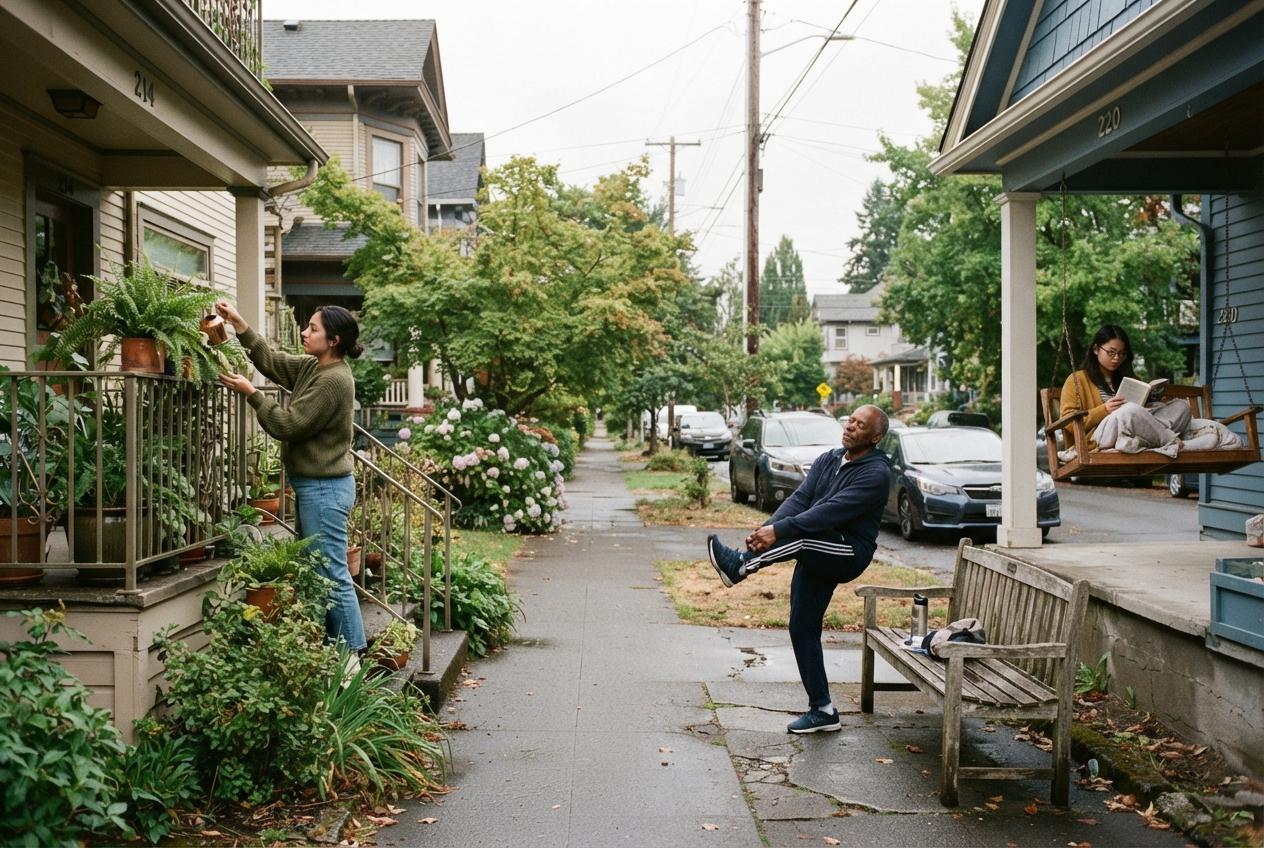

Research reveals that while holidays offer temporary relief from burnout, sustainable mental health benefits require embedding small, restorative practices into everyday life, highlighting a shift from retreat-style escapes to routine-based recovery.
For many people, the summer break promises relief only to deliver a brief pause before the old pressures return. According to occupational health research, that pattern is not unusual: one study of clerical staff found burnout levels fell during holiday time but returned to pre-vacation levels soon afterwards, while a more recent trial reported that the benefits of leave often fade within two to four weeks of going back to work. A separate study of middle managers did find that even a short break could produce immediate improvements in stress and wellbeing, though some effects were still visible only weeks later. The broad picture is clear: holidays can help, but they rarely solve chronic exhaustion on their own.
That is the context behind the increasingly familiar language of burn-out and burn-on. The first describes people who are already depleted; the second captures those who continue functioning while edging towards collapse. Psychotherapeutic and psychological practice both suggest these states tend to develop gradually, not suddenly, which is why they can be hard to recognise until fatigue, irritability and mental overload are already well established. Vacation may bring temporary relief, but it can also become another source of strain when it is packed with travel stress, over-scheduled activities and work emails checked from the poolside.
The more durable answer, the article argues, lies in changing how recovery works in everyday life. Research on tourism experiences has shown that relaxation, psychological detachment from work, a sense of mastery and greater personal control all support recovery after time away. But other evidence suggests that many of those benefits fade unless people build rest into ordinary routines. A 2026 trial of a mobile app designed to reduce post-holiday rumination points in the same direction: the goal is not to preserve the holiday forever, but to make its effects last longer by changing what happens after return.
That is why the article promotes smaller, repeatable habits rather than waiting for the next trip. It points to daily movement, short periods of deliberate downtime and the reduction of high-intensity triggers such as endless scrolling, alcohol, impulsive spending or compulsive snacking. The logic is that the brain’s reward system can become over-attuned to quick hits and less responsive to ordinary pleasures, leaving people chasing what they want rather than what they actually enjoy. Even a quarter of an hour of movement a day, recent wellness research suggests, can outperform costly retreat-style escapes for lasting mood and stress benefits. The message is plain: real recovery is less about a perfect holiday than about sustainable rhythm.
Disclaimer: This content is for informational purposes only and is not intended to be a substitute for professional medical judgment, advice, diagnosis, or treatment.