

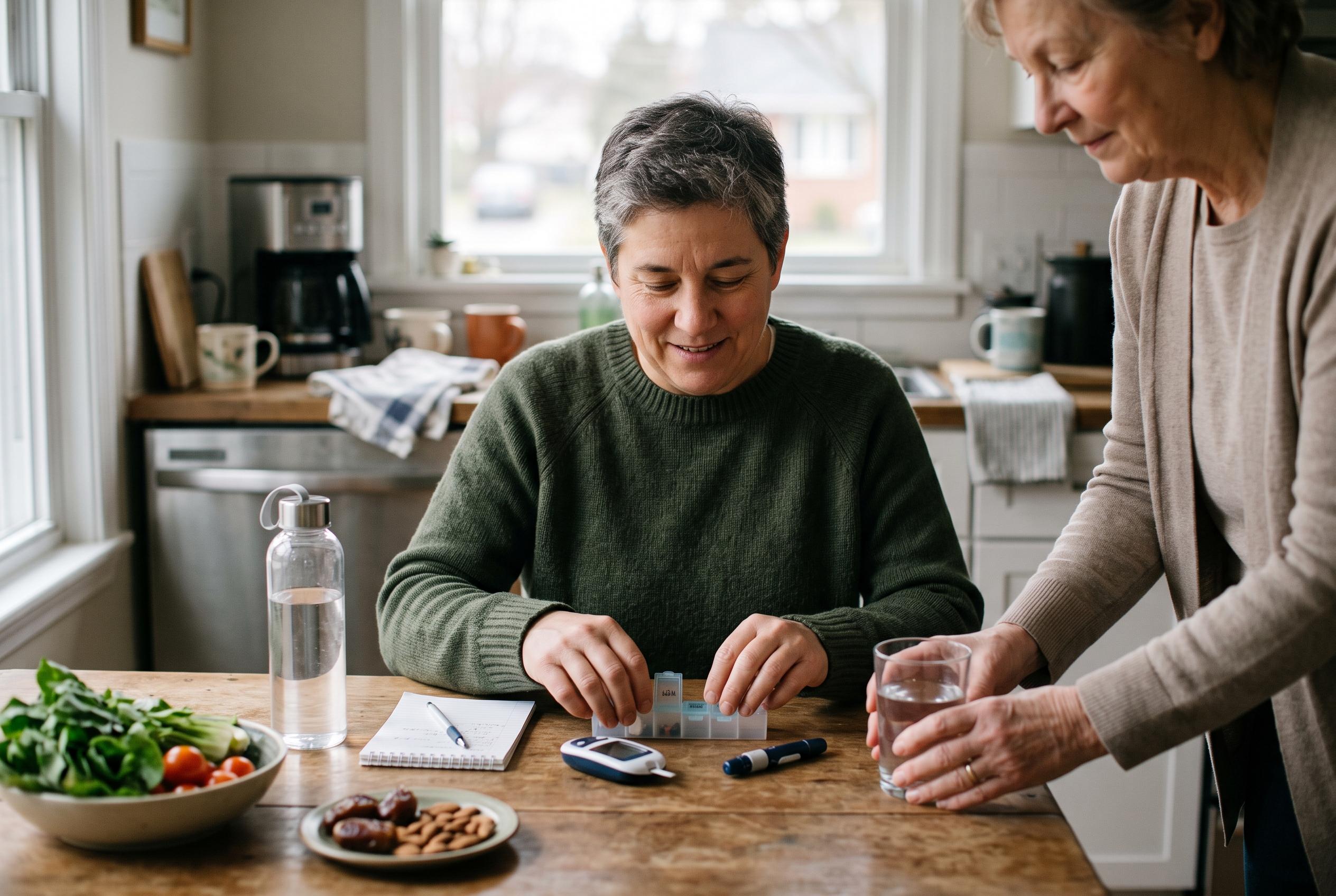

As millions prepare for fasting during religious observances, latest advice emphasises careful planning and medical guidance for those on GLP-1 drugs to minimise health risks while observing traditions like Ramadan and Yom Kippur.
Fasting during religious observance can be complicated for people taking GLP-1 medicines, but most patients can observe safely with planning and medical advice, according to an article republished by The Conversation from Reed Berger-Fleishman, an associate clinical professor of medicine and surgery at the University of Illinois Chicago. The issue matters for millions of people worldwide who use drugs such as Ozempic, Wegovy, Mounjaro and Zepbound for diabetes or weight management, including those preparing for Yom Kippur, Ramadan and other traditions that involve periods without food, and in some cases without water.
GLP-1 medicines work by mimicking a natural gut hormone that helps lower blood sugar and slows the movement of food through the stomach, which is part of why they reduce appetite. But that same effect can make fasting harder to tolerate. The Conversation article says common side effects include nausea, vomiting, dizziness, constipation and dehydration, and that these problems can worsen when a person goes without food. The risk is especially relevant when a patient has recently started treatment or is still moving up through dose increases.
Timing also matters. For people taking weekly injections, the article says the usual schedule should generally be kept even during a fast, since the medicines remain active throughout the week. If a weekly dose falls on the fasting day itself and nausea is a problem, a doctor may advise waiting until after the fast. People taking daily formulations may need more individualised advice, particularly if the drug is being used for diabetes rather than weight loss. Oral GLP-1 medicines can be more complicated still, because they are typically taken on an empty stomach with only a small amount of water, which may itself conflict with a dry fast.
The biggest caution applies to people with diabetes, especially those also taking insulin or sulfonylureas, a class of drugs that stimulate insulin release. According to the University of Illinois Chicago clinician writing for The Conversation, those combinations can increase the risk of hypoglycaemia during a prolonged fast. By contrast, people using GLP-1 drugs only for weight control are less likely to face dangerous blood sugar swings, though they may still experience gastrointestinal side effects or, rarely, pancreatitis. A review in the medical literature on fasting during Ramadan also found that newer diabetes medicines, including GLP-1 receptor agonists, can be used with careful pre-planning and monitoring.
Preparation is key. The article advises patients to avoid starting a GLP-1 medicine or increasing the dose just before a major fast, to eat a normal meal before the fast begins, and to remain well hydrated in advance. It also recommends checking blood sugar closely for anyone with diabetes and being ready to end the fast if dizziness, confusion, faintness, nausea or abnormal glucose readings appear. A light, balanced meal is the safest way to break the fast, since a large or high-fat meal can trigger stomach upset after a long period without eating.
Disclaimer: This content is for informational purposes only and is not intended to be a substitute for professional medical judgment, advice, diagnosis, or treatment.



