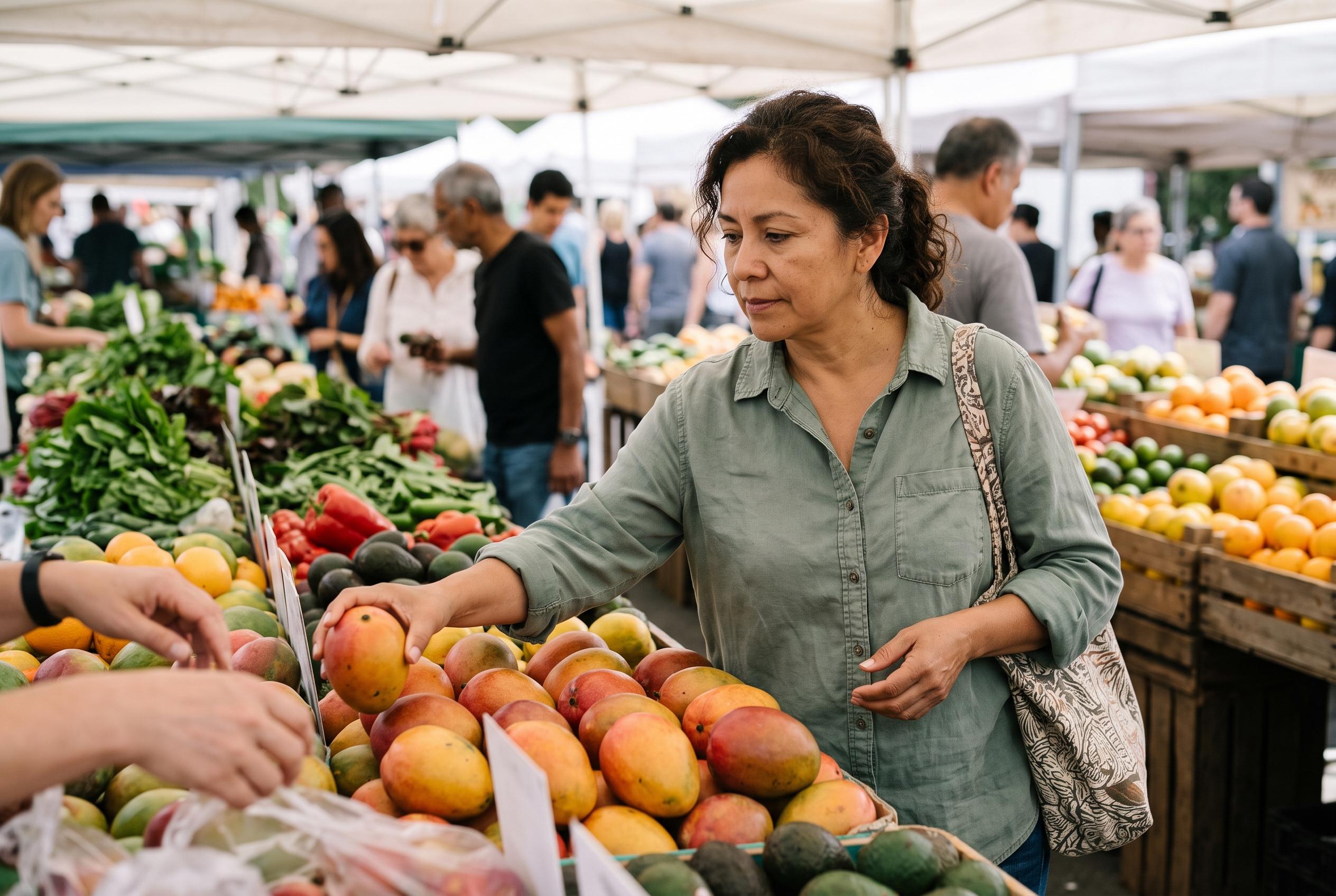

People with diabetes can enjoy mango as part of a balanced diet, but measured portions, carbohydrate counting and choosing whole fruit over juice or dried mango remain important.
People with diabetes do not necessarily need to avoid mangoes, but portion size matters far more than the fruit itself. According to the Mayo Clinic, the key factor behind rises in blood glucose is the total amount of carbohydrate a person eats, rather than whether those carbohydrates come from sugar or starch. That means mango can fit into a diabetes-friendly diet, provided it is counted as part of the day’s carbohydrate intake.
The practical advice from diabetes specialists is to treat mango as one part of a meal, not an afterthought eaten in large amounts. The British Diabetes Association says low-glycaemic index foods such as mango are digested more slowly, which tends to produce a gentler rise in blood sugar. But that does not make unlimited servings safe. A better approach is to cut the fruit into a measured portion, rather than eating an entire mango without knowing how much carbohydrate it contains.
Context also matters. The Mayo Clinic advises people to think about the whole plate, not just the fruit, because rice, bread and sweets can add substantial extra carbohydrate to the same meal. Healthline notes that a one-cup serving of mango contains roughly 25 grams of carbohydrate and about 23 grams of sugar, which helps explain why even a fruit with a low glycaemic index still needs careful handling. Diabetes.co.uk and WebMD both say mango can be included in a balanced diet when eaten in moderation and paired with sensible portion control.
Fresh mango is generally a better choice than juice, because whole fruit retains fibre and is easier to portion. The British Diabetes Association and other diabetes education groups also advise caution with dried mango, since dehydration concentrates the sugars into a much smaller serving. For people using insulin before meals, the carbohydrate in mango should be counted in the meal plan, in line with a doctor’s guidance. The wider lesson is straightforward: mango is not forbidden for people with diabetes, but moderation, monitoring and balance remain essential.
Disclaimer: This content is for informational purposes only and is not intended to be a substitute for professional medical judgment, advice, diagnosis, or treatment.