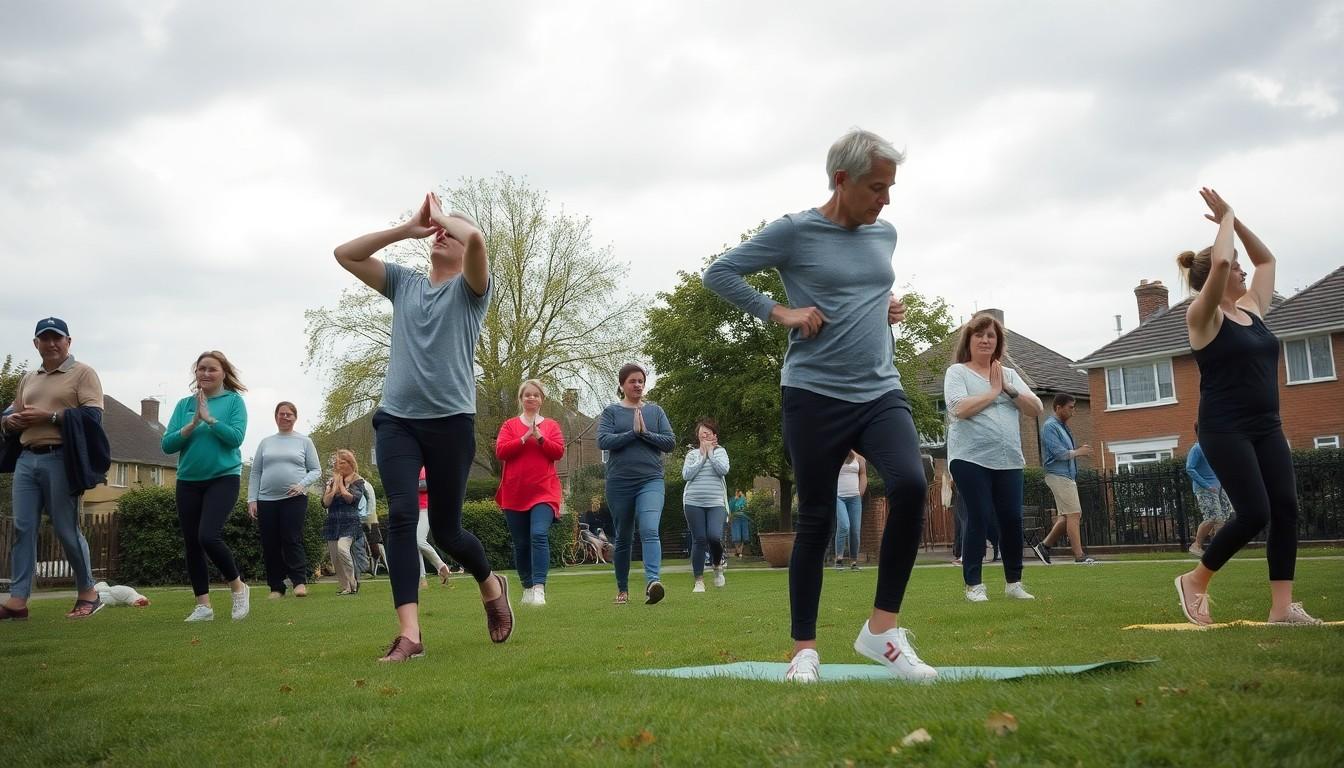

Emerging evidence indicates that low-intensity and shorter workout programmes can offer significant mental health benefits, challenging the notion that tougher exercise is always better for mood improvement.
A tougher session is not always the best answer when the goal is to feel calmer or less low. New research reported in the British Journal of Sports Medicine suggests that exercise of almost any kind is linked with fewer symptoms of depression and anxiety, but that shorter and lower-intensity programmes can be especially useful for anxiety. The pattern matters because mental wellbeing does not always respond to the same training logic that drives strength or endurance gains. According to the Mayo Clinic, even everyday activities such as walking can help lift mood, and the key is often consistency rather than punishment.
Dr Ben Singh, a postdoctoral researcher in population and digital health at Adelaide University, has said the evidence is now clear that exercise can improve depression, anxiety and psychological distress, but that there is no single best format for everyone. Research summaries from Healthline and an overview of systematic reviews on PubMed Central both point to broad benefits from aerobic work, resistance training and group-based activity, while also noting that lower-intensity and shorter programmes can be particularly effective for anxiety. That helps explain why a gentle gym visit, a cycle ride or a yoga class may sometimes feel more helpful than a hard interval session.
Part of the reason is that intense exercise can resemble the physical sensations of anxiety itself. A racing pulse, heavy breathing and sweating may be perfectly normal signs of exertion, but for someone already feeling on edge they can be interpreted as threat rather than effort. Professor Panteleimon Ekkekakis of Michigan State University has argued that how exercise feels in the moment is central to whether people stick with it, because repeated experiences create emotional associations that either draw people back or push them away. Low-intensity movement may therefore have an advantage simply because it feels less alarming and easier to repeat.
The setting also matters. A gym can be motivating for some, but intimidating for others, especially when mirrors, comparisons and a sense of scrutiny are part of the experience. Research highlighted by Healthline found that group exercise can be particularly beneficial for depression because it adds structure and social contact, while a general health overview from HCF in Australia notes that the best intensity depends on the person, their routine and their preferences. In practice, that means the most effective workout for mental health is often the one that feels manageable enough to become a habit, whether that is a walk outdoors, a short home session or a light class.
Dr Singh has said that even 10 to 15 minutes of movement can be a useful starting point, particularly when motivation is low. He also cautions that exercise should not be treated as a cure-all or a substitute for appropriate medical or psychological care. But as a supportive tool, its value is clear: the best option is not necessarily the hardest one, but the one a person can return to often enough for the benefits to build. In that sense, gentler exercise may sometimes do more good simply because it is easier to keep doing.
Disclaimer: This content is for informational purposes only and is not intended to be a substitute for professional medical judgment, advice, diagnosis, or treatment.