

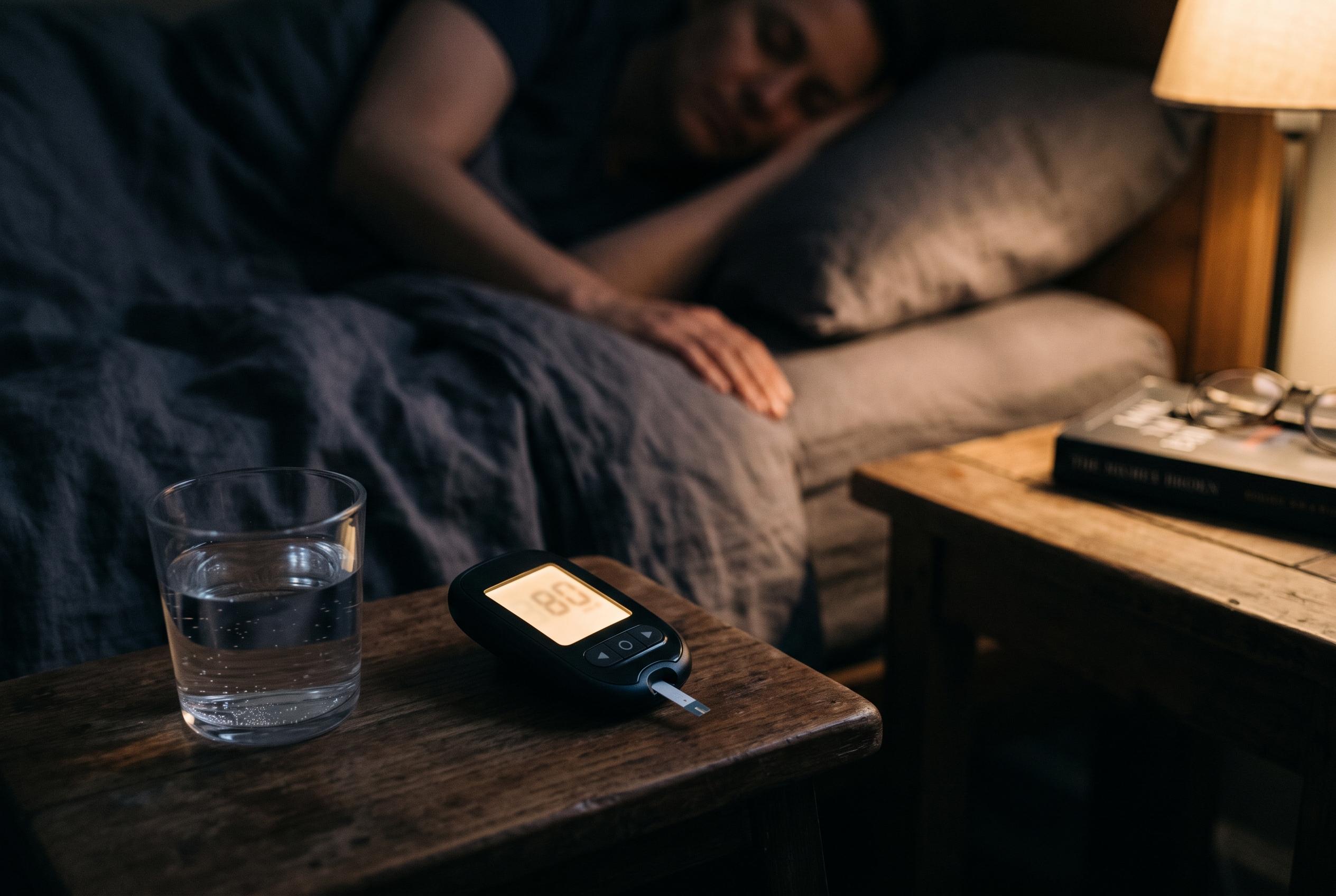

While waking once in the night to urinate can be normal, persistent nocturia accompanied by symptoms like thirst and fatigue could indicate diabetes or other health concerns, prompting medical evaluation.
Waking up once in the night to use the bathroom can be normal, but repeated trips may point to something more than a disrupted sleep pattern. Medical guidance from Cleveland Clinic and similar health sources says nocturia, the medical term for frequent night-time urination, is commonly linked to drinking a lot late in the evening, caffeine or alcohol, some medicines and bladder or urinary tract problems.
The concern rises when the pattern comes with other symptoms. According to the reporting cited by El Balad, night-time urination alongside intense thirst, unusual hunger, tiredness, blurred vision or unexplained weight loss can be a reason to check blood sugar. That is because when glucose levels are high, the kidneys may try to remove the excess through urine, which can increase how often a person needs to pass water.
Specialists also caution that diabetes is not the only possible explanation. Harvard Health, the Sleep Foundation and Urology Health all note that sleep disturbances themselves can make people wake up and then decide to use the toilet, even when the bladder is not especially full. Age can also play a role, and medicines such as diuretics may make night-time urination more likely.
Doctors generally advise people not to rely on symptoms alone if the problem is persistent. Cleveland Clinic says ongoing nocturia should be assessed by a healthcare professional, particularly if it is affecting sleep or daytime energy. Simple steps such as cutting back on fluids before bed, reducing evening caffeine and alcohol, and avoiding holding urine for long periods may help, but if the problem continues, blood tests such as fasting glucose or HbA1c may be needed to look for diabetes or another underlying cause.
Disclaimer: This content is for informational purposes only and is not intended to be a substitute for professional medical judgment, advice, diagnosis, or treatment.



