
Researchers at University College Dublin have unveiled the full protocol for Bump2Baby & Me+, a digital coaching programme supporting pregnant women at high risk of gestational diabetes. Moving from trial to standard practice across hospitals in Ireland, Spain, Poland, and Norway, the initiative aims to validate scalable, sustainable behavioural support within busy maternity services, with results expected in 2028.
Researchers at University College Dublin have published the full protocol for Bump2Baby & Me+, a digital coaching programme designed to support pregnant women at higher risk of gestational diabetes as it moves from trial conditions into ordinary maternity care. The paper, published in PLOS One, comes as recruitment for the study has just ended after beginning in December 2025 across hospitals in Ireland, Spain, Poland and Norway.
Gestational diabetes affects about one in seven pregnancies worldwide and carries serious risks for both mother and baby. Women who develop the condition face a much higher chance of later type 2 diabetes, and health experts have linked the rise in cases to later pregnancies and increasing levels of overweight and obesity. Earlier this month, UK figures showed gestational diabetes rates had climbed by 60%, bringing them into line with Ireland’s, according to the News-Medical report.
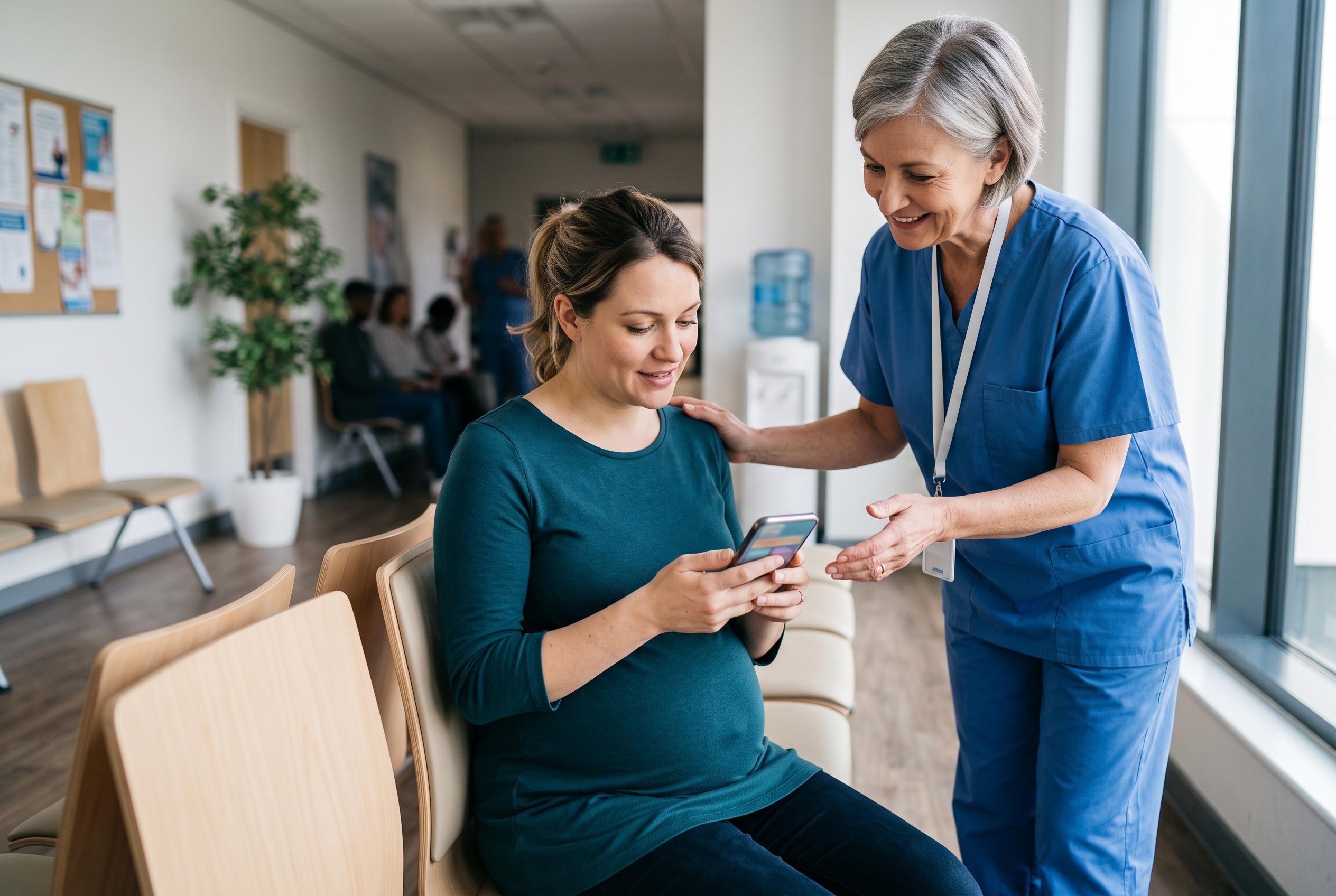
Bump2Baby & Me+ is meant to test whether the benefits seen in the earlier Bump2Baby and Me trial can be reproduced when the programme is delivered at scale inside busy maternity services. The new study uses a hybrid type 3 implementation-effectiveness design, which means it focuses less on whether the intervention can work in theory and more on whether it can be adopted, delivered and sustained in routine practice. Participants are offered coaching through a smartphone app, with synchronous sessions, messaging support and a Bluetooth-enabled weighing scale for self-monitoring.
The project is running at four maternity hospitals: the National Maternity Hospital in Dublin, University Hospital San Cecilio in Granada, Sørlandet Hospital Trust in Kristiansand and Pomeranian Medical University Hospital in Szczecin. Researchers will also compare different ways of inviting women into the programme to see which methods work best in practice. According to the study team, the findings will be used to build a European implementation toolkit with practical, costed guidance for health services that want to introduce the model more widely. Professor Sharleen O’Reilly of UCD said the key question is whether the coaching still works once it becomes part of routine care, rather than a tightly controlled trial.
Health coaching will continue until mid-2027, with results expected in 2028. The study is funded through the EU Horizon Europe Transforming Health and Care Systems partnership, alongside national funders in Ireland, Denmark, Norway, Poland and Spain, and is registered on ClinicalTrials.gov as NCT07189221.
Disclaimer: This content is for informational purposes only and is not intended to be a substitute for professional medical judgment, advice, diagnosis, or treatment.