

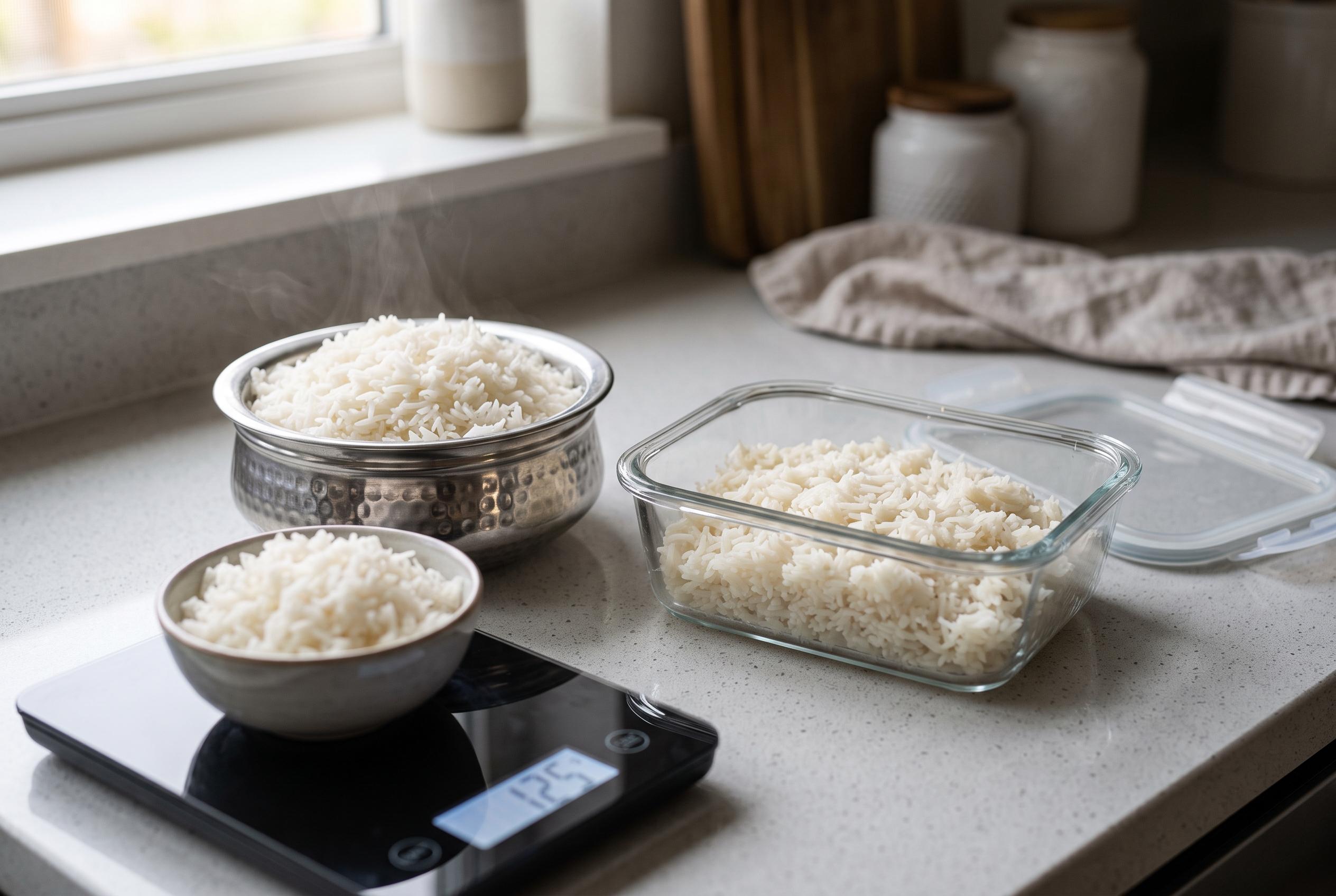

Refrigerating and reheating rice alters its starch structure, leading to a slower blood sugar response, yet portion control remains essential for managing diabetes risk, according to recent reports.
Cooling cooked rice before reheating it can modestly blunt the blood sugar rise after a meal, but it is not a free pass to eat unlimited portions, according to a report from Thanh Nien and supporting health articles. The key lies in resistant starch, a form of starch that becomes harder for the body to break down after rice has been chilled.
When rice cools, some of its starch molecules reorganise into a tighter structure, making them less digestible in the small intestine. Instead of being rapidly converted into glucose, part of the starch moves on to the large intestine, where gut bacteria ferment it in a way that is more similar to the handling of fibre. Healthline and other explainer articles say reheating does not remove all of this effect, which is why cold or reheated rice can produce a slower blood sugar response than freshly cooked rice.
The size of the effect depends on several factors. Varieties with more amylose, such as some long-grain and less sticky rices, tend to form more resistant starch than glutinous rice, which is richer in amylopectin. Timing matters too: research summaries cited by the health websites suggest that refrigerating rice for about 12 to 24 hours can help maximise the change, while freezing can help preserve it for longer storage.
Even so, portion size still matters. If someone simply doubles the amount of rice because it has been cooled, the overall carbohydrate load will still be high. Thanh Nien also reported a practical safety warning from clinical nutrition: rice should be cooled quickly, portioned into sealed containers and stored in the fridge or freezer within one to two hours of cooking to reduce the risk of Bacillus cereus, a bacterium that can cause food poisoning if cooked rice is left out too long. Dietitians quoted in the report said cooling rice should be treated as one small part of blood sugar management, alongside more vegetables, enough protein, slower eating and light activity such as walking after meals.
Disclaimer: This content is for informational purposes only and is not intended to be a substitute for professional medical judgment, advice, diagnosis, or treatment.



