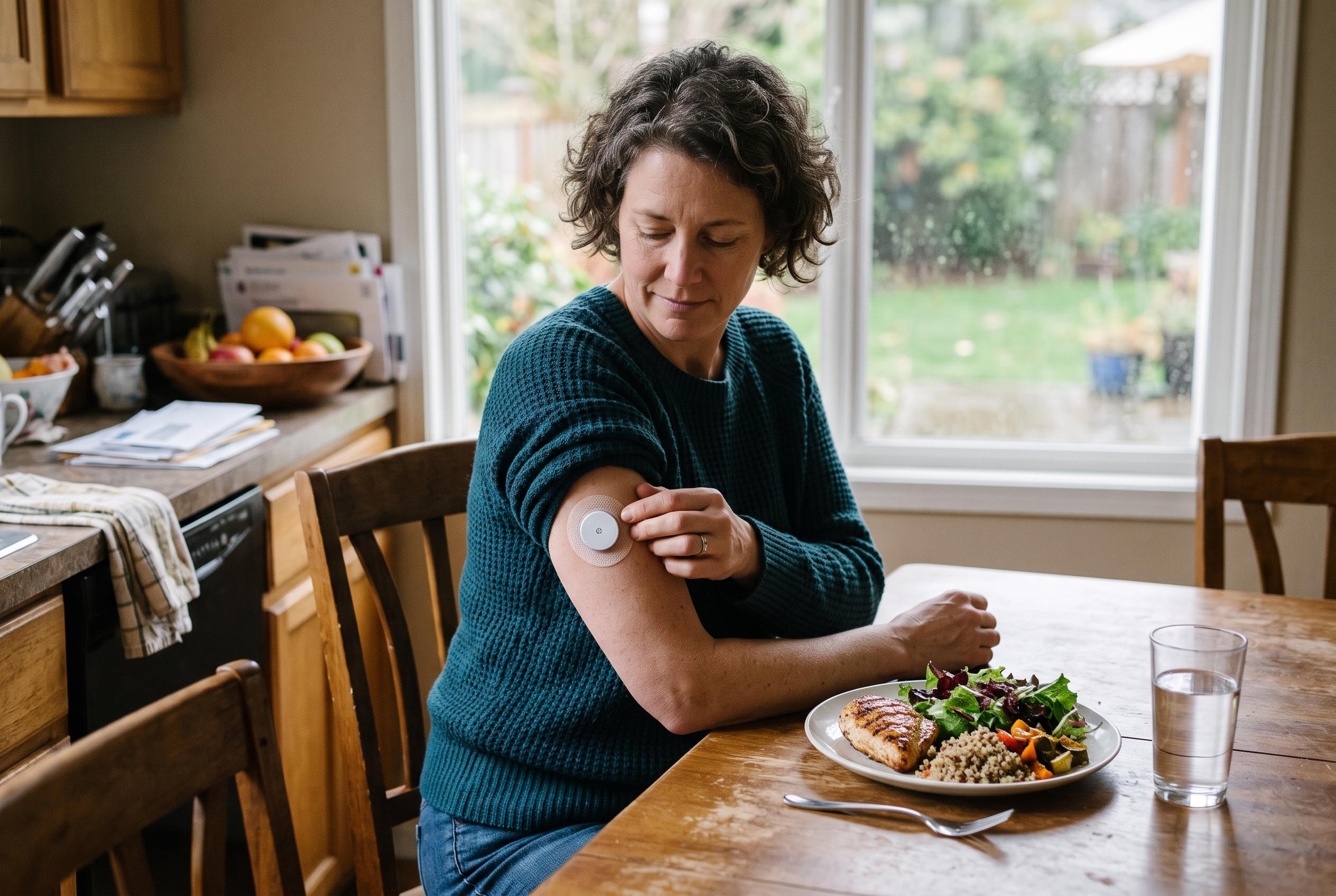

A 26-week US trial found that adults with type 2 diabetes not using insulin achieved better blood sugar control and spent about five more hours a day in the recommended glucose range with Dexcom’s G7 device.
Adults with type 2 diabetes who do not use insulin may gain more from continuous glucose monitors than previously thought, according to a trial published in the New England Journal of Medicine. The 26-week CONNECT study followed 283 adults across 22 primary care practices in the United States and found that people using Dexcom’s G7 device improved their blood sugar control more than those receiving routine care. Researchers said the benefit was strongest among participants whose glucose levels were already above treatment targets at the start of the study.
The trial compared 145 people assigned to continuous glucose monitoring with 138 who continued standard diabetes management, including access to glucose meters, education and their existing medicines. At the outset, the two groups had similar average HbA1c readings of 8.8% and 8.7%, respectively. By the end of the study, the CGM group had fallen to 7.2%, while the routine-care group was at 8.0%. After statistical adjustment, the difference between the groups was 0.9 percentage points in favour of continuous monitoring. The CGM users also spent more time within the recommended glucose range of 70 to 180 milligrams per decilitre, amounting to about five extra hours a day on average.
The findings add to a growing body of research suggesting that continuous monitoring can help more people with type 2 diabetes than those already using insulin. Previous New England Journal of Medicine work has pointed to similar advantages in patients with basal-only insulin regimens, while other studies have explored CGM use in hospital care and in type 1 diabetes. Taken together, those results suggest the technology may be useful in a wider range of diabetes settings than many patients and clinicians have traditionally assumed.
Even so, the new study has important limits. It was funded by Dexcom, the maker of the device used in the trial, and it lasted only 26 weeks, so it cannot show whether the gains would last or whether they would reduce long-term complications such as heart, kidney or eye disease. It also does not mean every person with type 2 diabetes and no insulin requirement should use a CGM. The evidence is strongest for adults whose HbA1c remains above target, and the practical questions of cost, insurance coverage and day-to-day use will help determine how far the technology spreads in routine care.
Disclaimer: This content is for informational purposes only and is not intended to be a substitute for professional medical judgment, advice, diagnosis, or treatment.