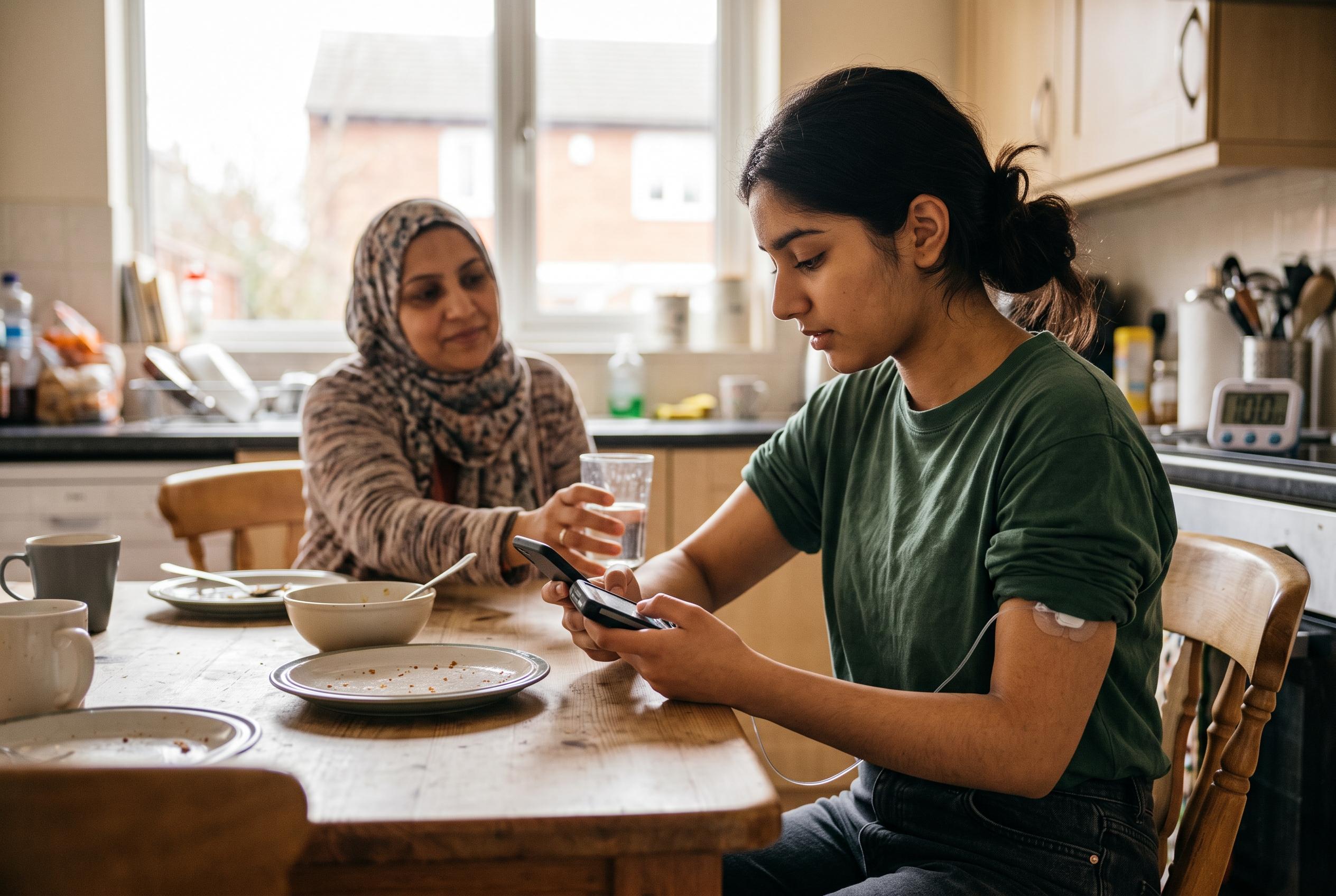

Research from Jerusalem suggests that pre-emptive insulin pump settings can help adolescents and young adults with type 1 diabetes fast more safely during major religious observances, highlighting the role of personalised technology in managing risks.
A new study from researchers at Jerusalem College of Technology and Shaare Zedek Medical Centre suggests that some adolescents and young adults with type 1 diabetes may be able to complete prolonged religious fasts more safely if they prepare their insulin pump settings in advance. Published in the Journal of Diabetes Science and Technology, the research found that 71.5% of participants finished a 25-hour fast without significant complications when using automated insulin delivery, or AID, systems that combine an insulin pump with a continuous glucose monitor.
The findings matter in a community where fasting on Yom Kippur and Tisha B’Av remains central to Jewish practice, even though people with type 1 diabetes have traditionally been advised to avoid it because of the risk of dangerous blood sugar swings and dehydration. The study focused only on the major fasts, not the shorter fasts observed from dawn to nightfall, and the researchers stressed that minors or others with diabetes should not fast without medical advice.
The team analysed 109 fasts undertaken by 80 participants in 2023 and 2024. Most were teenagers or young adults, with an average age of 17.4, and about two-thirds adjusted their pump settings before the fast, usually by raising glucose targets or reducing insulin. Those who made advance changes did markedly better: 84.5% completed the fast successfully, compared with 40% among those who did not, suggesting that preparation and individualised guidance were key to the outcome.
Importantly, the study reported no severe hypoglycaemia and no diabetic ketoacidosis, a serious and potentially life-threatening complication in which the body breaks down fat too quickly because it does not have enough insulin. Researchers also said glucose control improved during the fast, with participants spending 80.7% of the time within their target range, compared with roughly 72% in the week before. The authors said the results should not be taken to mean that fasting is safe for everyone with type 1 diabetes, particularly older patients or those with existing complications, but they suggested the technology could offer a realistic option for some people when used with careful supervision.
Disclaimer: This content is for informational purposes only and is not intended to be a substitute for professional medical judgment, advice, diagnosis, or treatment.