

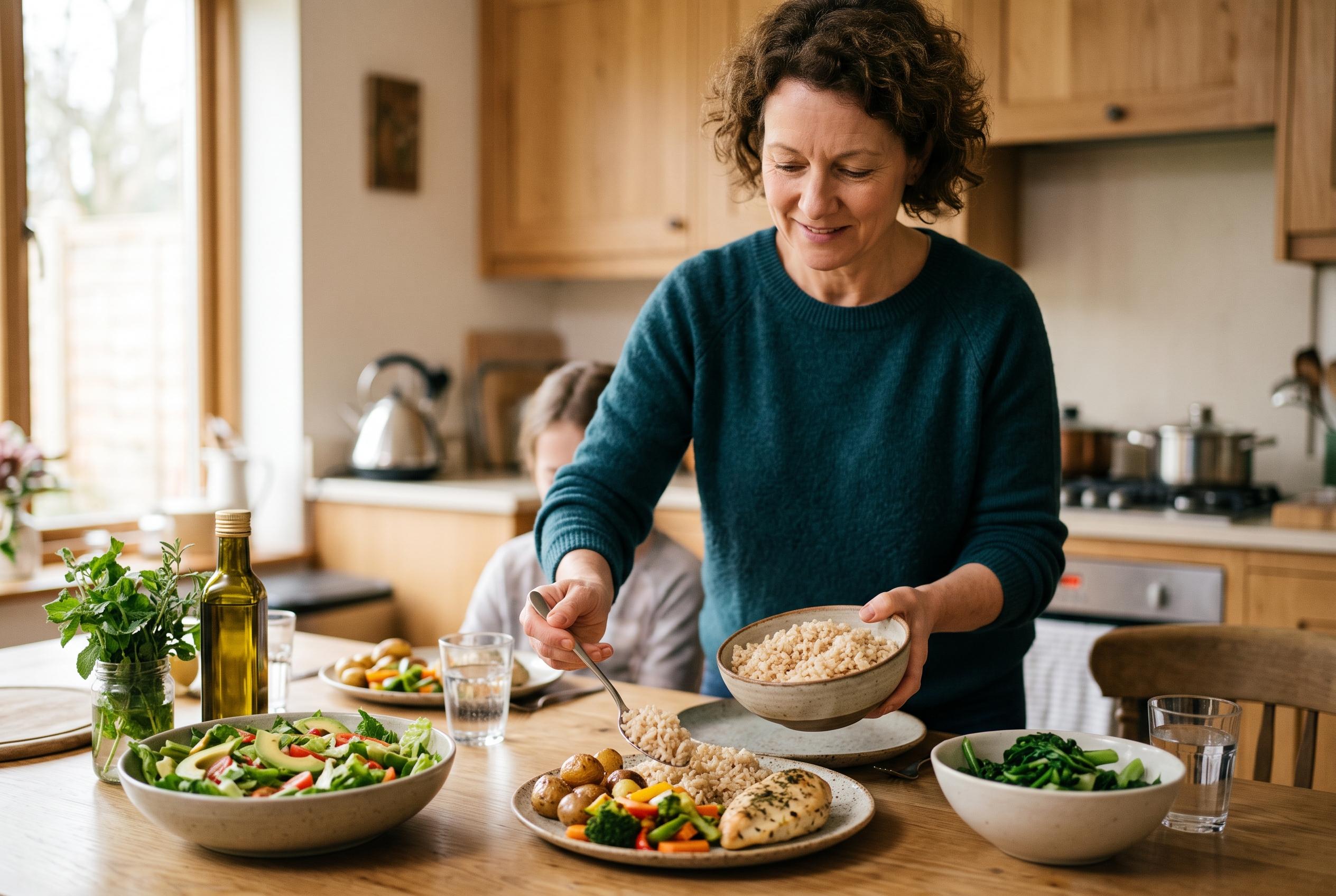

Neither rice nor potatoes needs to be cut out to support steadier blood sugar: portions, preparation and the foods served alongside them can make the biggest difference.
Rice and potatoes are both staple sources of carbohydrate, but their effects on blood sugar depend far more on how they are prepared and eaten than on either food alone. Tabnak reports that neither needs to be eliminated from the diet altogether; portion size, cooking method, and what they are served with all matter, as does each person’s individual metabolic response.
Rice is largely carbohydrate, so it can raise blood glucose quite quickly, especially when eaten in large portions without fibre, protein or other foods to slow digestion. Tabnak notes that brown rice and other whole-grain varieties retain more of the bran and germ, which means more fibre than white rice. Harvard Health has similarly explained that high-glycaemic foods such as white rice tend to raise blood sugar faster than lower-glycaemic whole grains.
Potatoes have a reputation for being particularly problematic for people managing blood sugar, but that picture is incomplete. WebMD and Healthline both note that potatoes can still fit into a balanced eating pattern, provided portions are controlled and preparation is considered. A baked or mashed potato behaves differently from a boiled potato or one cooled after cooking, while keeping the skin on adds fibre and helps make the food more filling. Tabnak also points out that a small boiled potato with skin contains around 3 grams of fibre, while a half-cup of cooked potato delivers about 15 grams of carbohydrate.
On a straight comparison, potatoes can have a slight edge because many typical servings contain less carbohydrate than a serving of rice and may provide more fibre. But that does not make potatoes automatically superior, or rice a poor choice by default. Prevention and Yahoo’s health coverage both highlight the same practical lesson: the overall meal matters more than any single ingredient. Combining starches with protein, non-starchy vegetables and healthy fats can slow digestion and soften sharp rises in blood sugar.
Tabnak also highlights a useful trick: cooling cooked rice or potatoes and then reheating them can increase resistant starch, a form of starch that behaves more like fibre. That may reduce the blood sugar rise after a meal compared with eating the food freshly cooked. The broader advice is simple: build balanced plates, watch portions, choose higher-fibre versions when possible, and remember that a short walk after eating and adequate sleep can also support steadier glucose control.
Disclaimer: This content is for informational purposes only and is not intended to be a substitute for professional medical judgment, advice, diagnosis, or treatment.



