

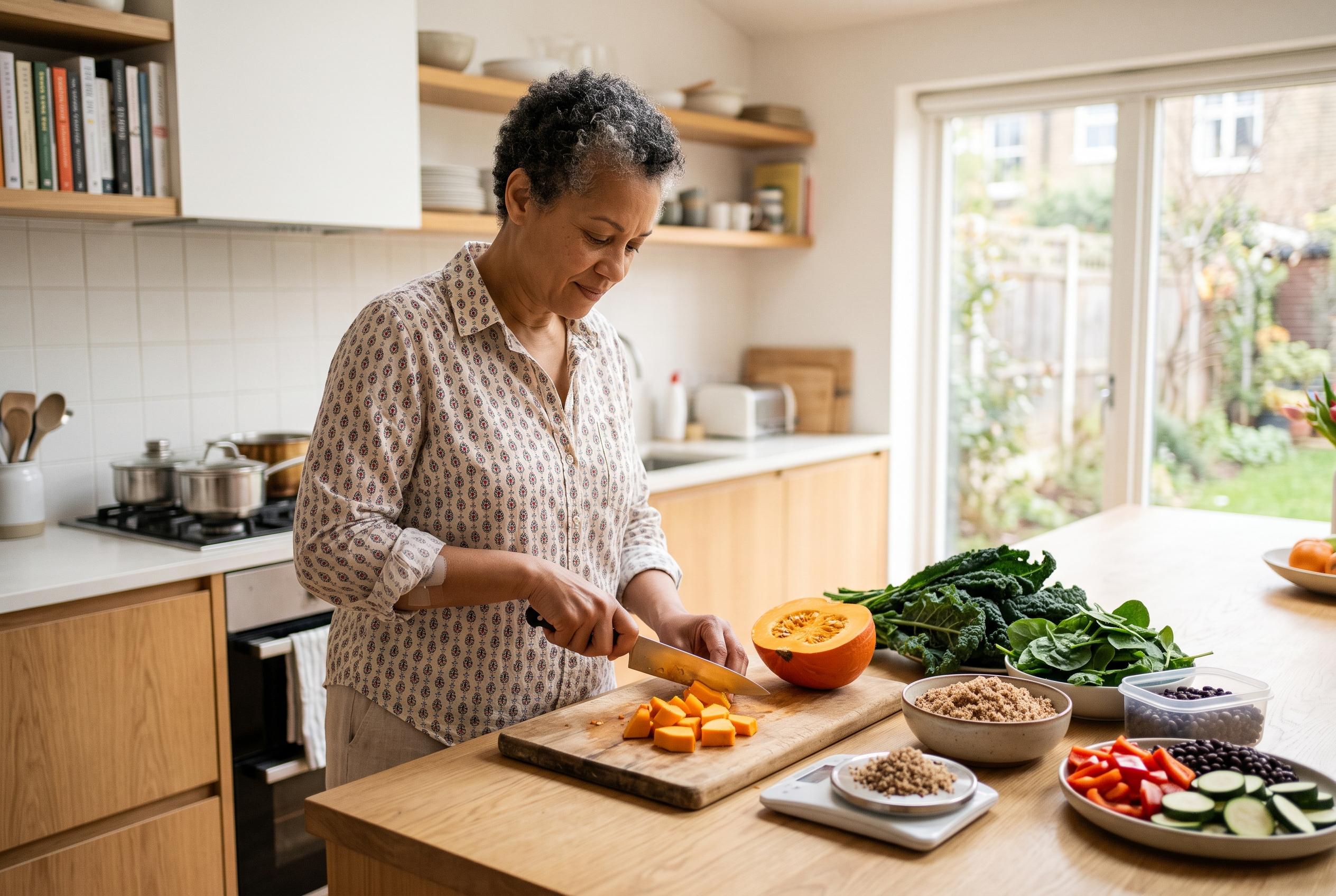

Pumpkin is rich in fibre and nutrients, but large portions can raise blood glucose. A clinician advises counting it towards carbohydrate intake and adjusting other starches accordingly.
Pumpkin may look like an ordinary vegetable, but Taiwanese clinician Liu Po-jen says it should be treated more like a starchy staple than a free-to-eat side dish, especially by people with diabetes. In remarks shared by Liberty Times Health, Liu said pumpkin contains carbohydrates as well as naturally occurring sugars and starches, which means large portions can still push blood glucose higher. Healthline and the Mayo Clinic Health System likewise describe pumpkin as nutrient-dense and fibre-rich, but not something that should be assumed to have no effect on blood sugar.
Liu’s main message is that pumpkin is not off the menu for people trying to manage diabetes; rather, it needs to be counted properly. The key issue, he said, is portion size and how pumpkin fits into the rest of a meal. Healthline notes that pumpkin has a relatively low glycaemic load when eaten in typical serving sizes, even though its glycaemic index can be high, which helps explain why modest portions may be manageable while larger helpings are more likely to cause problems. The nutritional profile of pumpkin helps explain its appeal: it is rich in beta-carotene, the plant pigment the body converts into vitamin A, and it also provides fibre, potassium and other useful micronutrients.
That combination of benefits can make pumpkin sound healthier than it is in practice, Liu warned. He stressed that nutrient-rich does not mean blood-sugar-friendly in unlimited amounts, and that studies of pumpkin extracts or concentrated preparations should not be confused with eating steamed pumpkin at the dinner table. The way pumpkin is prepared also matters, according to the sources cited by Healthline and Mayo Clinic Health System: a plain serving of pumpkin is very different from sweetened pumpkin pie filling or processed products with added sugar.
For people with diabetes, Liu recommends three simple habits: count pumpkin as part of the meal’s carbohydrate load, cut back on other starches such as rice if pumpkin is already on the plate, and pair it with protein and non-starchy vegetables. He also added an important caution for people with chronic kidney disease, particularly those with high blood potassium, because pumpkin’s potassium content may need to be limited depending on kidney function and lab results.
Disclaimer: This content is for informational purposes only and is not intended to be a substitute for professional medical judgment, advice, diagnosis, or treatment.



