

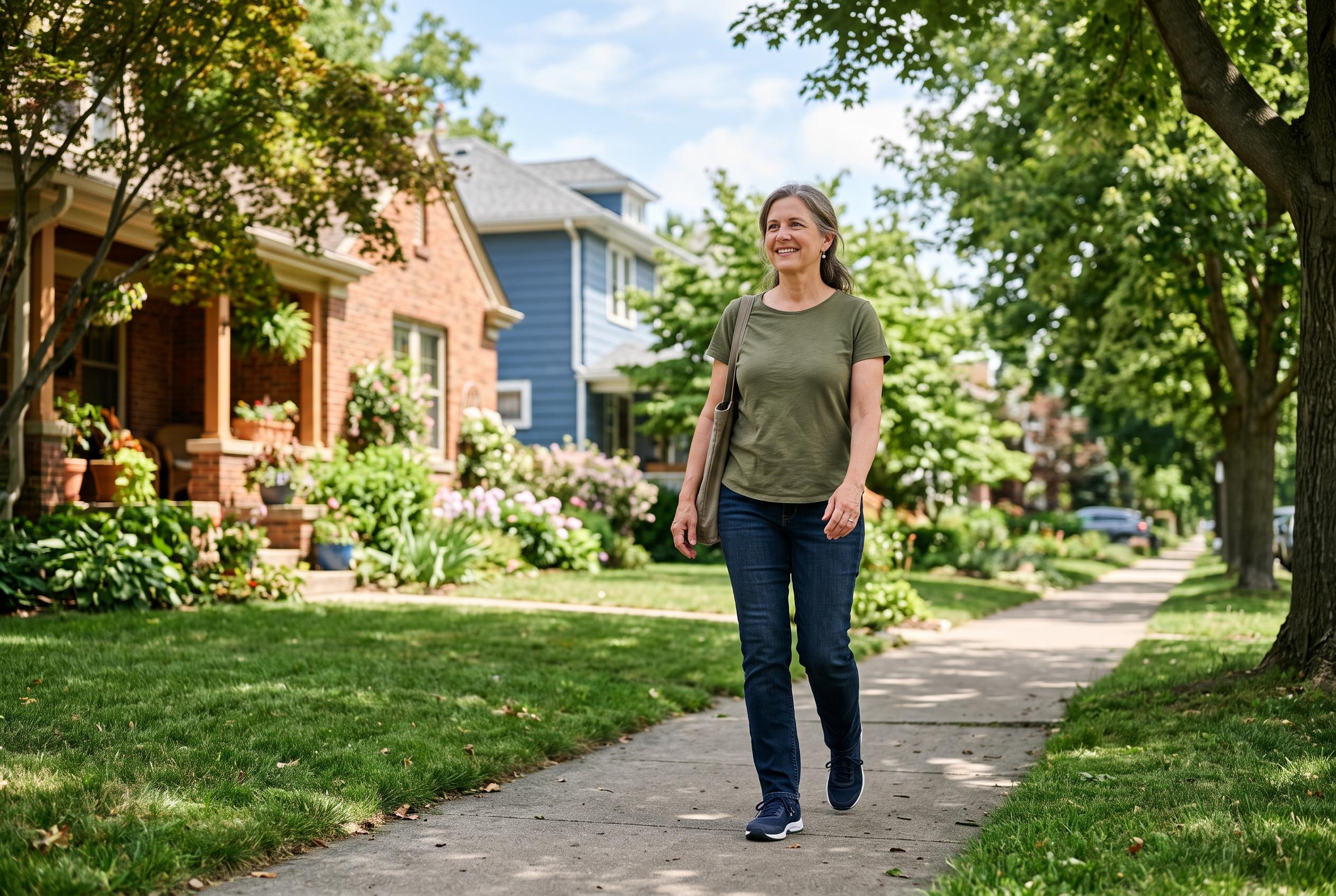

Research suggests that brief movement soon after eating may improve glucose and insulin responses, offering a practical alternative to waiting for time for a formal workout.
A short walk after eating may be one of the most practical health habits available, according to new research that is adding weight to a simple idea: movement does not have to be intense or lengthy to matter. A systematic review and meta-analysis published in October 2026 in Complementary Therapies in Medicine found that breaking up long periods of sitting with brief bouts of activity can improve post-meal glucose and insulin responses, reinforcing the case for small doses of exercise woven into the day.
The findings build on a 2025 trial in Scientific Reports that tested a 10-minute walk immediately after glucose intake in 12 healthy young adults. Researchers reported that the short walk reduced two-hour glucose exposure and average blood sugar levels compared with resting, suggesting that timing may be as important as duration when it comes to managing post-meal spikes. That study adds to a broader trend in exercise science: rather than waiting for a formal workout, a short walk soon after eating may help the body handle glucose more efficiently.
The appeal is obvious for people who struggle to fit exercise around work, family and other commitments. A brief stroll after lunch, an evening circuit round the neighbourhood or a few minutes of movement between tasks is far easier to sustain than a rigid training plan, and consistency is likely to matter more than ambition. The approach also fits a wider shift in wellness advice towards realistic habits that can be maintained over time, rather than drastic routines that often fall away.
Walking may also offer benefits beyond blood sugar control. The US Centers for Disease Control and Prevention says regular physical activity can ease short-term anxiety, support sleep and improve heart health, while helping to lower the risk of several chronic diseases. Taken together, the evidence suggests that a 10-minute walk is not a magic solution, but it may be a low-cost, low-barrier habit with outsized value for everyday health.
Disclaimer: This content is for informational purposes only and is not intended to be a substitute for professional medical judgment, advice, diagnosis, or treatment.



