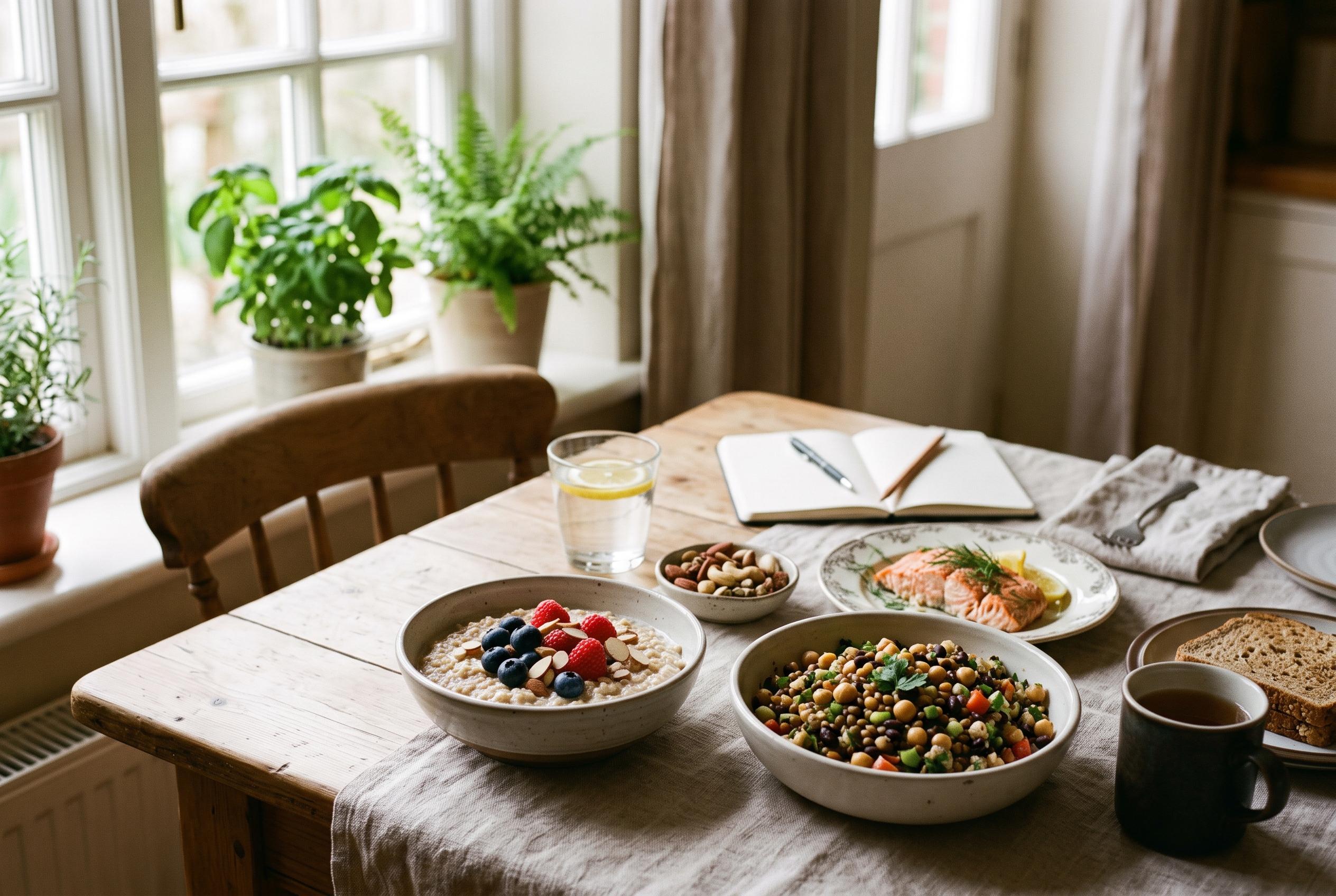

Oats, pulses, berries, salmon and nuts may support steadier blood glucose, especially when combined with balanced meals, exercise and good sleep.
Keeping blood sugar steady is about more than avoiding sweets. For people trying to reduce the risk of prediabetes and its link to type 2 diabetes, heart disease and stroke, food choices can make a meaningful difference. Dietitians quoted by EatingWell said the fastest swings often come from carbohydrates, which makes the type of carbohydrate on the plate especially important. Research on oat beta-glucan, a soluble fibre, has also found that it can help reduce post-meal blood glucose rises when added to carbohydrate-containing meals.
Oats are one of the simplest places to start. Melissa Mitri, a registered dietitian, said oats are a strong source of beta-glucan, which helps slow the absorption of carbohydrates. A systematic review and meta-analysis published in the National Center for Biotechnology Information found that oat beta-glucan lowered postprandial blood glucose, with larger effects seen at higher doses and with more effective formulations. For the best result, the article recommended choosing plain rolled or steel-cut oats rather than instant flavoured packets, which often contain added sugar.
Berries are another sensible option, largely because they offer fibre and plant compounds called polyphenols. Amanda Sauceda, also a registered dietitian, said berries are particularly rich in anthocyanins, the pigments that give blueberries their colour. But the evidence is not uniform: a systematic review and meta-analysis of berry polyphenols in adults with impaired glucose tolerance or insulin resistance found no meaningful overall effect on glucose markers compared with placebo or no treatment. That makes berries a healthy fruit choice, but not a miracle remedy. The practical benefit is likely to come from replacing more refined snacks rather than relying on berries alone to change blood sugar control.
Legumes and lean protein round out the list. Beans and lentils combine fibre with plant protein, which can slow digestion and help prevent sharp rises after meals. The article cited a 2022 study showing that pulses such as beans, lentils and chickpeas improved both after-meal blood glucose and longer-term blood sugar measures in adults with and without type 2 diabetes. Salmon was included because its protein can moderate the glucose response when eaten with carbohydrates, while its omega-3 fats support heart health. Nuts, meanwhile, bring together fibre, healthy fats and protein in one snack, making them a useful option when paired with berries or eaten on their own in modest portions.
The article also stressed that diet works best alongside everyday habits. A short walk after meals can blunt spikes in blood sugar, and regular exercise, including resistance training and aerobic activity, can improve insulin sensitivity. Eating balanced meals every three to four hours may help produce a steadier glucose response through the day, while good sleep and less evening blue-light exposure can support better regulation the next day. Limiting alcohol is another common recommendation, since the liver plays a central role both in processing alcohol and in managing blood sugar.
Disclaimer: This content is for informational purposes only and is not intended to be a substitute for professional medical judgment, advice, diagnosis, or treatment.