

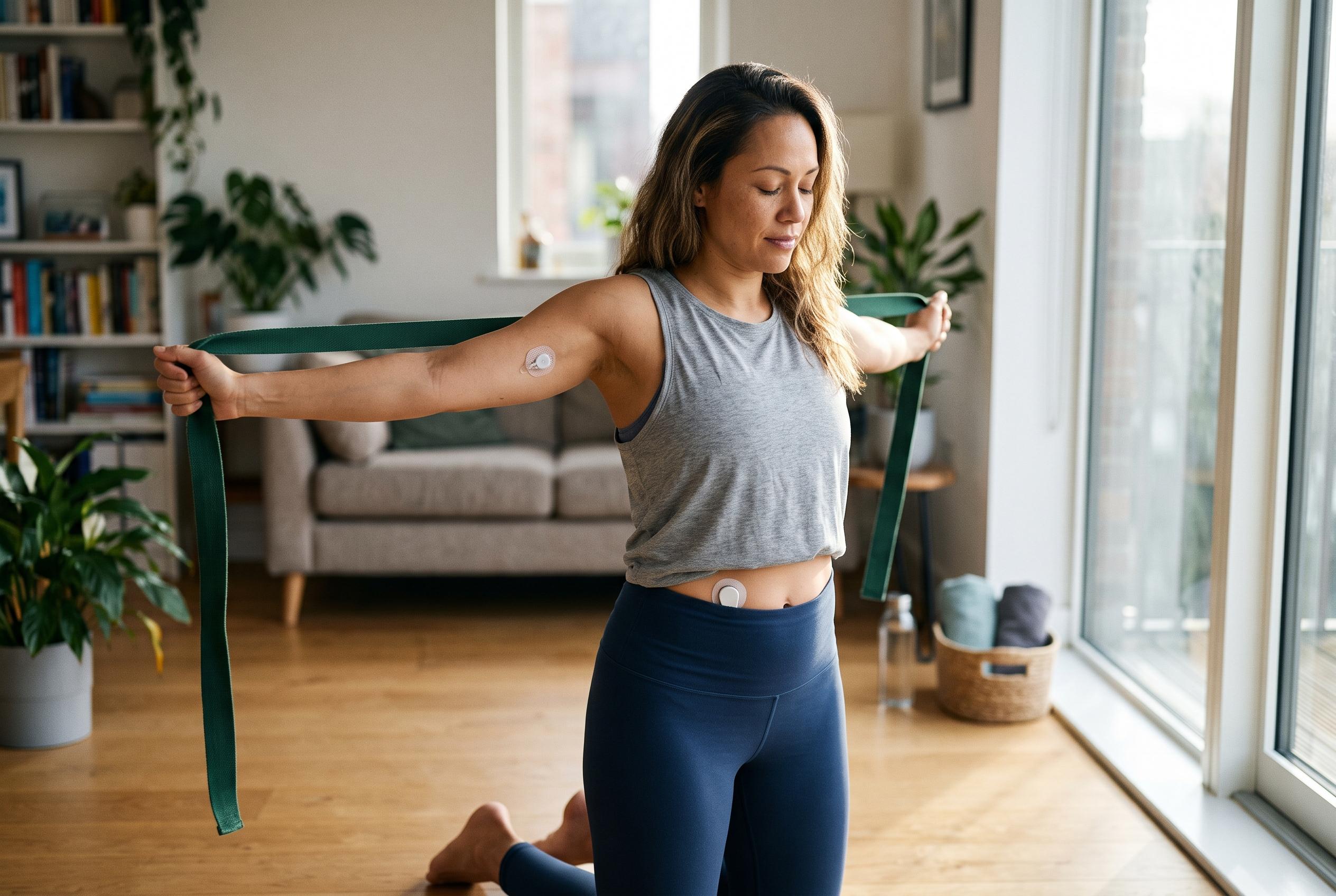

A new study suggests that a six-week static stretching programme could be a feasible and safe way for adults with type 1 diabetes to enhance blood glucose control, offering a low-impact alternative amid exercise challenges.
A paper published in Wiley’s LIM2 journal says structured static stretching may be a practical option for adults living with type 1 diabetes, a condition that requires careful day-to-day insulin management and constant attention to blood glucose. Type 1 diabetes accounts for around 5% to 10% of cases and develops when the immune system destroys the pancreas’s insulin-producing beta cells, leaving people dependent on lifelong insulin therapy.
The authors place their work in the wider context of physical activity, which is already known to help control blood glucose and improve insulin sensitivity. But they also note that many people with type 1 diabetes do not reach recommended activity levels, often because exercise can be difficult to manage around insulin doses, carbohydrate intake and the risk of hypoglycaemia. Aerobic exercise can lower glucose, while harder anaerobic efforts may push levels up; resistance training has also been linked with better glycaemic control, improved lipid profiles and lower insulin needs.
Against that backdrop, the study is testing a six-week whole-body static stretching programme in active adults with type 1 diabetes. The main aim is to see whether the intervention is feasible, acceptable and safe, with researchers looking at attendance, adherence and retention as well as any adverse effects. They will also gather early signals on glucose responses, insulin requirements and insulin sensitivity, with the hope of informing a larger definitive trial. The authors say stretching is attractive because it needs little equipment, little space and can fit around daily routines, while offering a low-impact alternative for people who find regular exercise harder to sustain.
Disclaimer: This content is for informational purposes only and is not intended to be a substitute for professional medical judgment, advice, diagnosis, or treatment.



