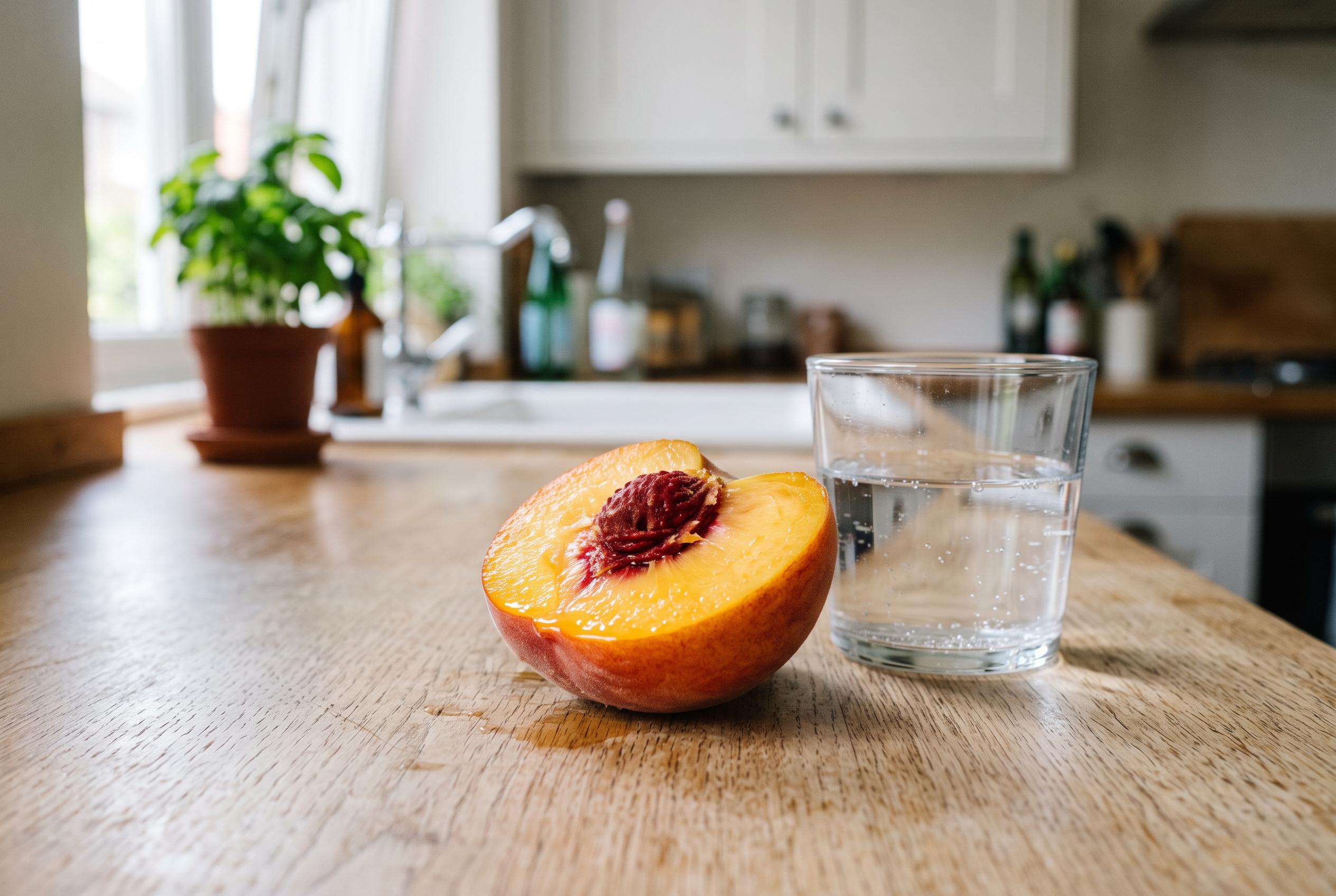

Recent analysis highlights that peaches, with their lower glycaemic index and higher fibre content, may be a more suitable fruit option for blood sugar control compared to watermelon, which can be enjoyed in moderation depending on portion size.
Peaches and watermelon are both naturally sweet, but they do not affect blood sugar in quite the same way. According to Healthline’s diabetes guide on watermelon, the fruit can have a high glycaemic index, yet its glycaemic load remains low because a typical serving contains relatively little carbohydrate. That distinction matters: the glycaemic index measures how quickly a carbohydrate food raises blood sugar, while glycaemic load takes portion size into account.
Peaches generally score lower on the glycaemic index than watermelon, although exact figures vary depending on ripeness and preparation. Healthline’s guide to the glycaemic index notes that fruit values can shift with these factors, but peaches are usually considered a gentler choice for blood sugar than watermelon. The same point is echoed by broader glycaemic index guides, which place watermelon among fruits that may register as medium to high on the scale, while peaches tend to sit lower.
Fibre is another reason peaches often look more blood-sugar friendly. Data from FoodStruct show that a cup of sliced peaches contains about 2.3 grams of fibre, compared with roughly 0.6 grams in a cup of diced watermelon. That extra fibre can slow digestion and blunt the rise in blood sugar after eating. Watermelon, by contrast, is mostly water and contains comparatively little fibre, which helps explain why it can have a different metabolic effect from its glycaemic index alone.
For people managing diabetes, neither fruit is automatically off-limits. The practical question is usually portion size, overall diet and how the fruit is paired with other foods. Healthline’s diabetes article on watermelon says it can fit into a balanced eating plan when eaten in moderation, and the same logic applies to peaches. In short, peaches usually offer a lower-glycaemic option, while watermelon can still be included if the serving is kept sensible and total carbohydrate intake is watched.
Disclaimer: This content is for informational purposes only and is not intended to be a substitute for professional medical judgment, advice, diagnosis, or treatment.