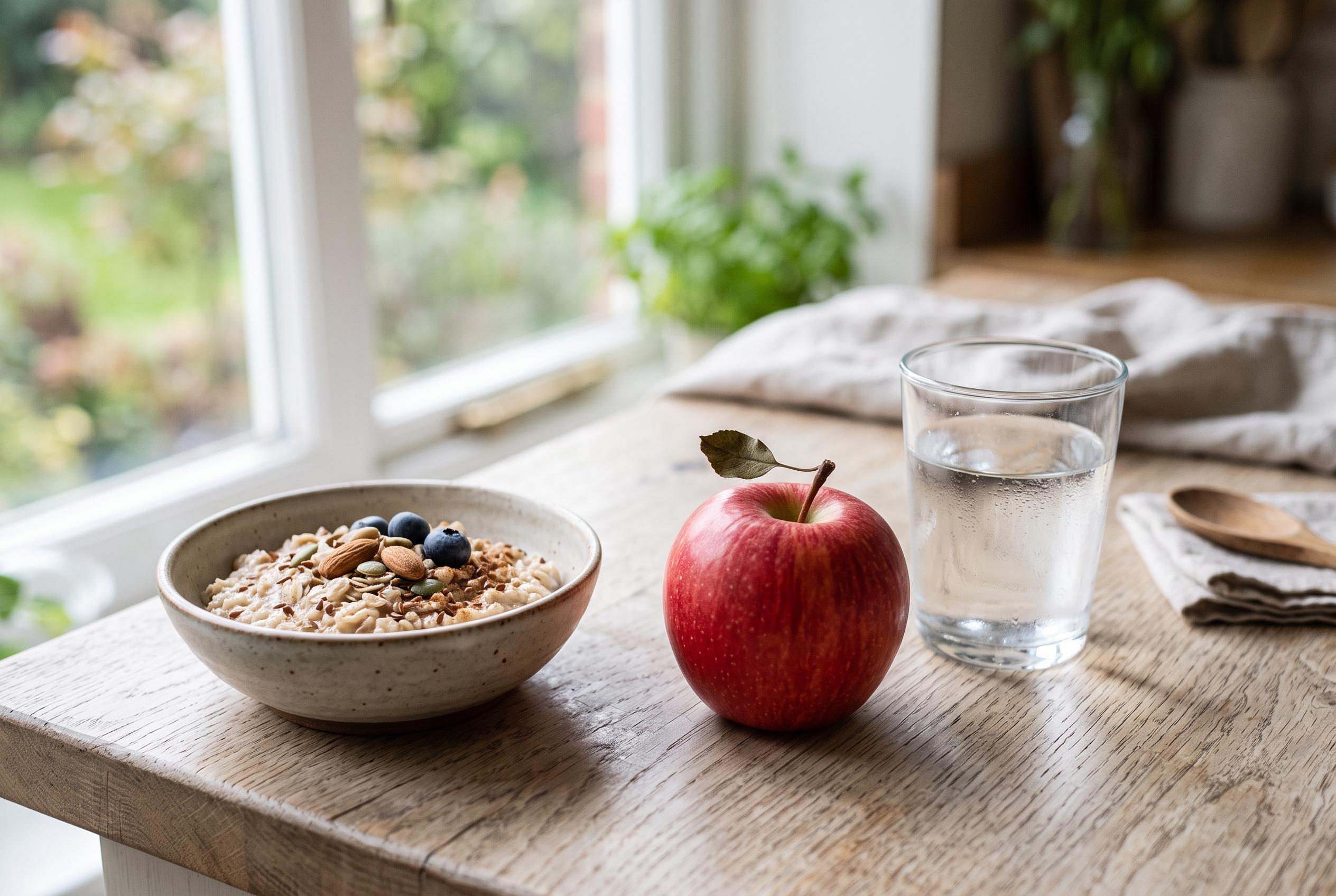

A comprehensive review from the University of Milan indicates that apples could offer benefits for blood sugar regulation, antioxidant activity, and gut microbiome, though findings depend on apple type and consumption duration.
A new review from researchers at the University of Milan suggests that apples and apple products may be linked with better blood sugar control, stronger antioxidant activity and healthier blood vessel lining, while also hinting at possible effects on gut bacteria. The findings, published in the Royal Society of Chemistry journal Food & Function, drew on 38 human intervention studies and point to apples as a food with several potential benefits, although the authors said the evidence still varies by product, dose and study length.
The review found the clearest signals in measures connected to blood glucose and antioxidant capacity. In longer studies, researchers also observed possible changes in the composition of gut microbes and in levels of short-chain fatty acids, compounds made by intestinal bacteria that may support digestive health. That fits with broader nutrition reporting from Healthline and Cleveland Clinic, which has highlighted apples as a source of fibre, vitamin C and plant compounds known as polyphenols.
Those same compounds are often cited as the reason apples are associated with heart and metabolic health. Healthline’s guides note that fibre may help steady blood sugar, while polyphenols and other antioxidants may support heart health and lower the risk of type 2 diabetes. The US Apple Association has also pointed to pectin and quercetin, two apple compounds often discussed in relation to cholesterol, inflammation and general wellbeing.
Even so, the Milan team stressed that the evidence is not uniform. Benefits appeared to depend on the type of apple or apple product studied, the amount consumed and how long the intervention lasted. That means apples may be a sensible part of a balanced diet, but they are not a substitute for broader dietary quality or stronger clinical evidence.
Disclaimer: This content is for informational purposes only and is not intended to be a substitute for professional medical judgment, advice, diagnosis, or treatment.